The Story
Why it exists.
The beginning
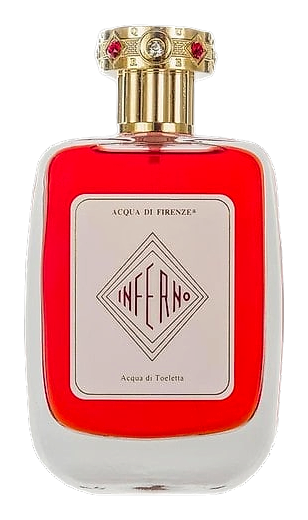
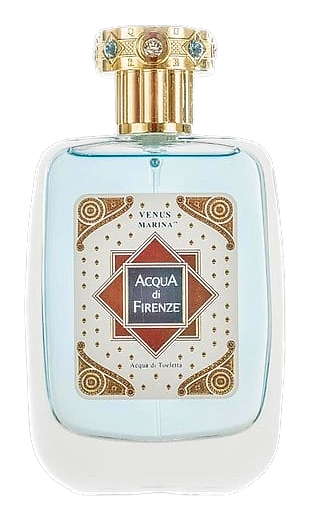
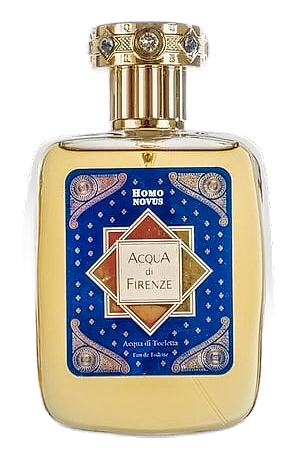
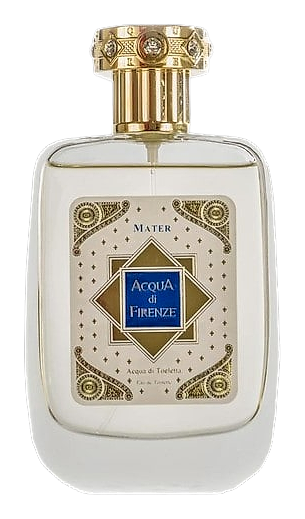
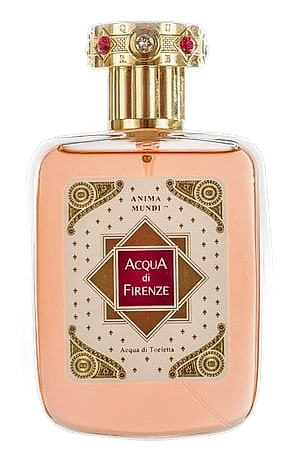
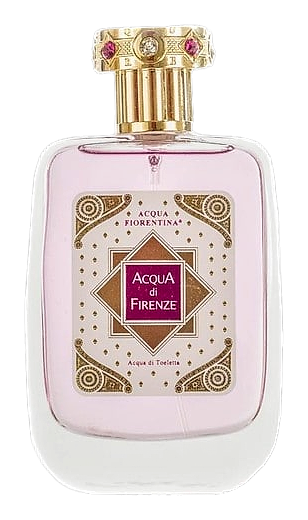
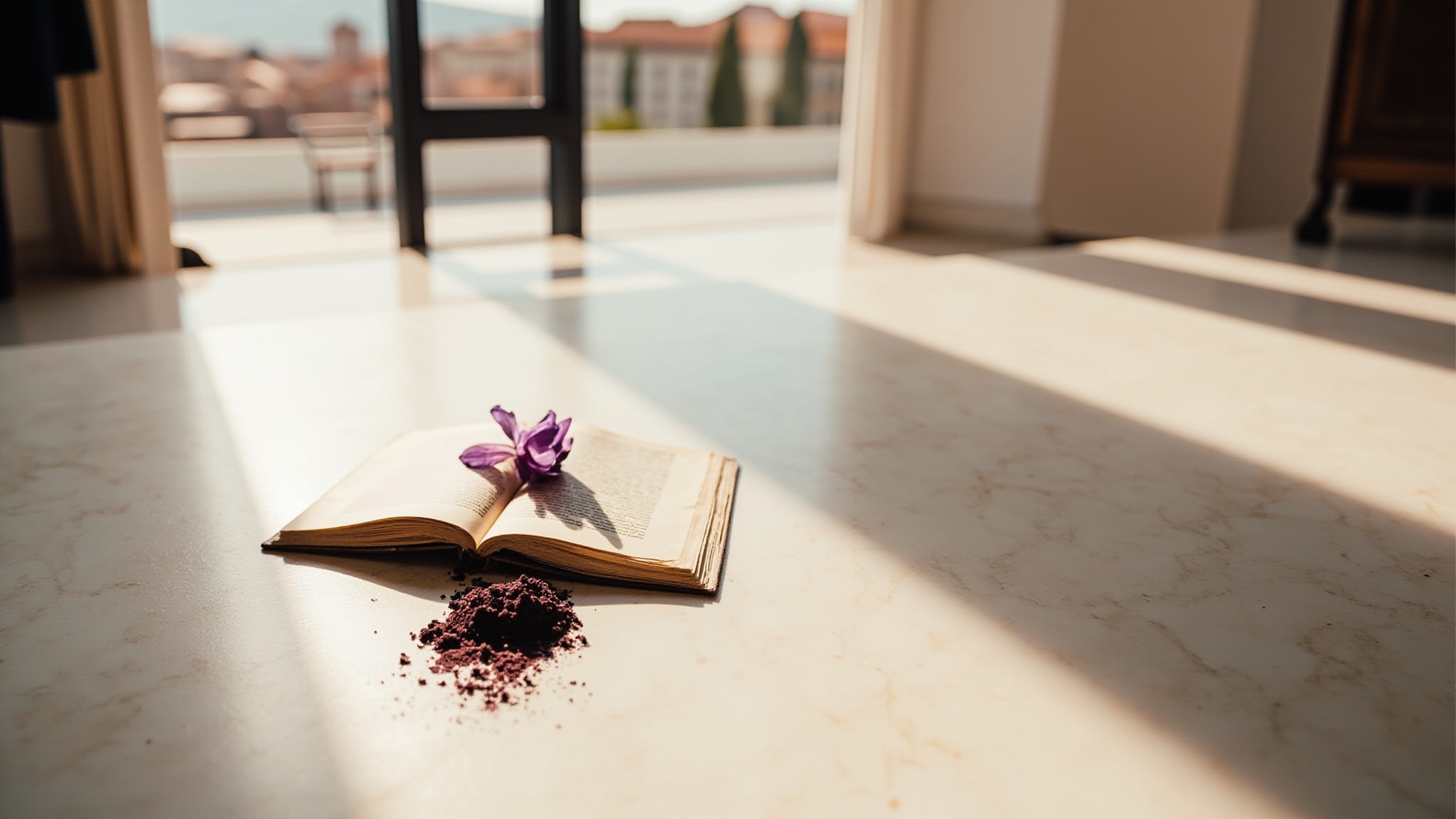
Acqua Fiorentina arrives from an Italian fragrance house founded in Florence in 1920, with no verified launch year or named perfumer attached. Its Florence-leaning identity is carried by the composition itself: bergamot and pink pepper lift the first impression, while violet, Florentine iris, rose, freesia, gardenia, orchid, and lemon verbena build a layered floral heart. The base turns the prettiness on its head with patchouli, labdanum, and musk. The result feels less like a garden after rain and more like an old manuscript of a garden, dust still caught between the pages.
What makes this composition worth a closer look is the conversation between floral softness and earthy weight. Violet, rose, freesia, gardenia, and orchid create a full white-floral register, but patchouli gives it a dry, mineral counterpoint. Labdanum adds resinous warmth, while musk turns the whole thing into a skin-like trail. Bergamot and angelica keep the opening clear enough for the richer florals to bloom.
The evolution
The first impression is lifted and precise. Bergamot brings a bright citrus snap, angelica adds a green, apothecary-like lift, and pink pepper places a small flash of rosy heat at the edge. That brightness quickly hands the composition to the flowers. Violet and Florentine iris make the heart powdery and elegant; rose brings warmth, while freesia, gardenia, orchid, and lemon verbena keep it airy rather than heavy. As the floral center softens, patchouli becomes more apparent, giving the scent a cool, earthy shadow. Labdanum then adds resin and amber, and musk settles everything close to skin. With a moderate trail and a wear that lingers softly through the evening, the lasting effect is the part people remember: soft powder, patchouli, and a warm musky trace that feels like the scent stayed after the flowers left.
Cultural impact
Acqua di Firenze is positioned less as an anonymous trend scent and more as a house concerned with Italian perfumery history, Florence, and the revival of historical formulations. Acqua Fiorentina fits that register through its literary, old-world floral profile: violet, iris, rose, patchouli, and amber-like warmth carry the sense of a fragrance shaped by place and memory.