





Heritage
A house, in its own words
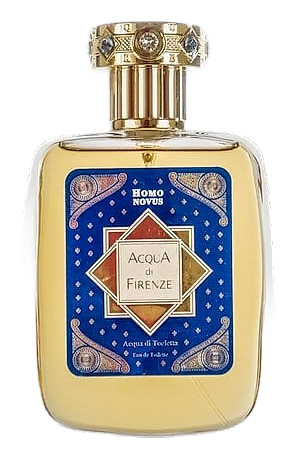
Acqua di Firenze traces its origins to 1920, when founder Guido Galardi established the house at Borgo Santi Apostoli, 27r, in Florence. Galardi began his work by collecting lavender, demonstrating an early commitment to botanical sourcing that would define the house's character. However, the brand's narrative reaches far deeper into history, connecting to the very origins of Italian perfumery. Florence holds a unique position in fragrance history. The city's apothecary traditions date to the 1200s, when Dominican friars established the Santa Maria Novella pharmacy in 1221, creating a foundation for botanical preparations and scented waters that would flourish. By the Renaissance, Florence had become the undisputed center of European perfumery. The legendary Acqua di Firenze itself was documented as early as 1456, earning recognition as the most celebrated cosmetic of the period. When Catherine de' Medici departed Florence for Paris in 1533 to marry the Duke of Orléans, she reportedly carried formulas and scented preparations from the Florentine workshops, introducing French court society to Italian olfactory artistry. This cross-pollination established Paris as a rival center for perfumery while cementing Florence's reputation as the source. Acqua di Firenze positions itself as heir to this legacy, reviving and interpreting the ancient Acqua di Firenze formulation under the registered trademark ACQUA DI FIRENZE 1456. The house operates in the Oltrarno district, Florence's traditional artisan quarter, maintaining proximity to the workshops that historically supplied the Medici court. Acqua di Firenze operates from a conviction that perfume is inseparable from history, place, and memory. The house believes fragrance should carry narrative weight, connecting wearers to centuries of Italian cultural tradition rather than offering anonymous commercial scents. This philosophy manifests in the brand's deliberate focus on reviving historical formulations rather than chasing trend-driven compositions. The house emphasizes the primacy of Tuscan botanicals, sourcing lavender and other regional materials as the foundation for its preparations. Rather than competing in the global luxury fragrance market through synthetic innovation or celebrity partnerships, Acqua di Firenze has staked its identity on authenticity and historical continuity. The philosophy extends to the house's approach to transparency. By referencing the 1456 documentation of the original Acqua di Firenze formula, the brand acknowledges that its creative work is interpretation and restoration rather than pure invention. This humble positioning distinguishes Acqua di Firenze from houses that claim revolutionary breakthroughs. Instead, the house positions itself as a custodian of olfactory heritage, suggesting that the greatest creativity lies in understanding and reviving what already existed rather than inventing anew. The workshop's location in the Oltrarno reinforces this philosophy, placing the house within Florence's living artisan tradition where craftspeople have worked for centuries.