The Story
Why it exists.
The beginning
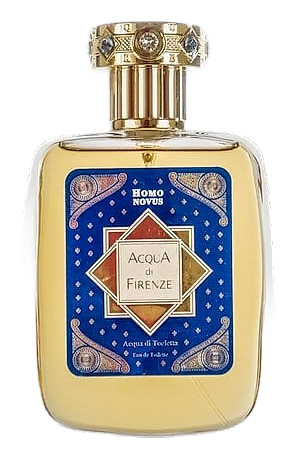
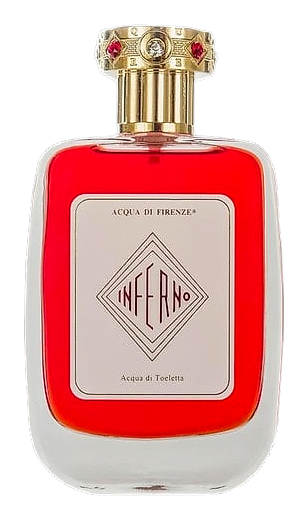
Acqua di Firenze built its name on Renaissance-era Florentine traditions, scented waters, apothecary botanicals, a city that invented modern perfumery. Inferno takes that heritage and drags it into darkness. Not warmth. Not comfort. The inferno of the senses: smoke, ash, heat that burns rather than welcomes. The house named it after the concept of descent, the pull of fire, the weight of shadow. Every note follows that gravity downward. This is a fragrance that begins where others end. The spicy heat of the opening isn't introduction; it's ignition. Cinnamon and clove arrive hot, almost punishing, before the composition shifts into something older, quieter, darker. Leather and black rose emerging from smoke like shapes in a burning room. Acqua di Firenze doesn't chase trends. Inferno doesn't chase the wearer. It waits. The black vanilla husk in the base is the tell. Not a sweet vanilla, something husk-dark, almost charred.
What makes Inferno work, and work against expectations, is the way it holds tension. Smoke and ice. Heat and shadow. The clove opens punishing, almost clinical, but the elemi resin softens it into something resinous and strange rather than purely aggressive. That contrast is where the fragrance lives: between assault and seduction. The black vanilla husk is the composition's quietest rebellion. Where most orientals use vanilla as comfort, this one turns it tar-dark and close. Birch tar in the base doesn't burn, it haunts. A medicinal, leathery edge that lingers in the air like something half-remembered. Guaiac wood and musk build slow, powdery, intimate. This isn't a fragrance that announces.
The evolution
The opening announces itself. Not introduction, declaration. Cinnamon and clove hit like heat from a struck match, the elemi resin adding a sharp, citrus-pine edge that cuts through the sweetness before it can settle. Thirty seconds in, and Inferno is already in motion. Then the pivot. The spice doesn't disappear, it recedes, making room for something heavier. Leather emerges first, dark and slightly tarry. Black rose follows, its floral note bruised and smoky rather than bright. Myrrh adds a resinous weight that presses the whole composition downward. Smoke becomes texture rather than note, you feel it in the back of the throat, in the air around the wearer. The drydown is where Inferno earns its name. Amber and guaiac wood build slow, adding warmth that lingers. The black vanilla husk surfaces last, not sweet, but deep, almost charred. Birch tar leaves a medicinal, leathery trace that settles close to the skin. Musk keeps it intimate. Six to eight hours, depending on skin. The next morning: ash, warmth, something that stayed. This is a cold-air fragrance.
Cultural impact
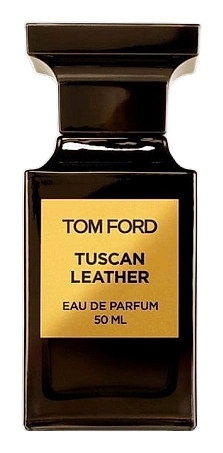
Inferno sits comfortably in the lineage of dark, smoky orientals that divide rooms and define personal scent. The community comparison list, Tuscan Leather, Tobacco Vanille, Chergui, places it in serious company. What distinguishes it is the way the black vanilla husk and birch tar push the composition away from the sweet smoky archetype toward something rawer, closer, more personal. This is not a fragrance that fills a room. It waits for the right person to find it.