The Story
Why it exists.
The beginning
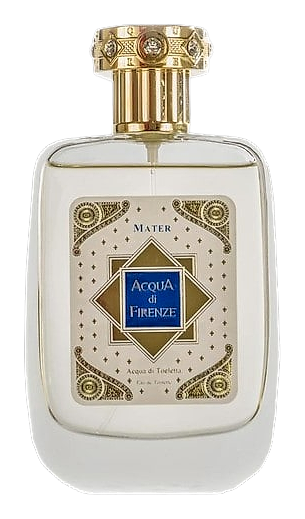
Mater was composed by Maurizio Cerizza for Acqua di Firenze, an Italian fragrance house. No further account of its inspiration or launch survives in the available record, so its character lives in the composition itself: cedar, incense, myrrh, and angelica lead into a layered floral heart before patchouli, vetiver, and musk settle underneath. The name suggests matter, substance, and the physical presence of scent. That reading fits a fragrance that moves between ceremonial smoke and living flowers without making either side feel ornamental. On skin, the opening reads almost architectural, with the incense and myrrh stacking into something dry and incense-like before the angelica brightens with a bitter, green undertone.
The unusual part is the balance. Resinous materials and angelica open the composition with a bitter, aromatic lift, while lavender, rose, hyacinth, mimosa, narcissus, lily of the valley, jasmine, and Florentine iris bring powder, brightness, and a full floral register. Patchouli then pulls the bouquet toward soil, and cedar, vetiver, and musk settle beneath everything like the floor of a forest after rain. Nothing here is a single neat idea. It's a conversation between incense, flowers, woods, and earth, with each group refusing to behave like a supporting act.
The evolution
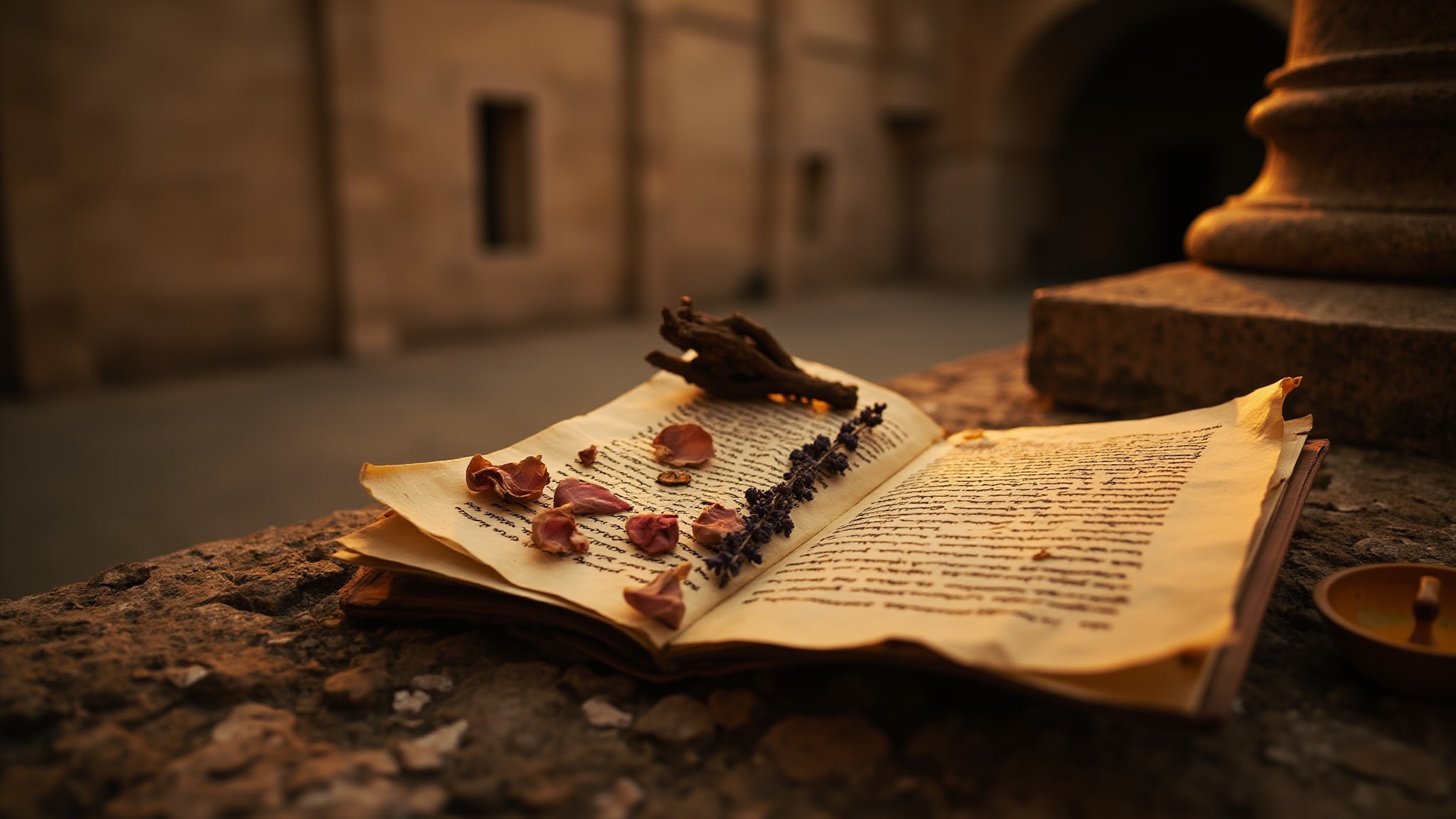
Mater begins in a cloud of cedar, incense, myrrh, and angelica. The resins make the opening feel ceremonial, almost midnight-lit, while angelica adds a green, aromatic edge. As the fragrance settles, the floral heart arrives: lavender cools the smoke, rose gives it flesh, and hyacinth, mimosa, narcissus, lily of the valley, jasmine, and iris create a lush, powdery bouquet. The surprise comes from how that floral richness gradually loses its sweetness. Patchouli and vetiver bring the soil and wood to the surface, leaving musk soft at the edges. By the later hours, it settles into a warm, earthy, quietly floral trail that lingers close to skin and carries the memory of incense, damp earth, and a garden after rain.
Cultural impact
Mater's appeal comes from resisting a single category: floral, resinous, woody, and chypre-like all overlap. The fragrance refuses to announce itself as one kind of perfume, and that indecision is part of its draw. Wear it and the incense reads as ceremonial without tipping into costumerie, the florals stay full rather than powdery, and the patchouli drags the whole composition toward soil at the end, grounding what began in smoke. The balance is unusual, and it's what makes the fragrance feel substantial rather than seasonal.
The House
Acqua di FirenzeAcqua di Firenze is a historic Florentine fragrance house that channels over six centuries of Italian perfumery heritage. Located in the heart of Florence at Borgo Santi Apostoli, the brand draws its identity from the city celebrated as the birthplace of modern perfume. Acqua di Firenze specializes in reviving Renaissance-era cosmetic traditions, particularly the legendary Acqua di Firenze formulation documented since 1456. The house creates artisanal fragrances that bridge historical craftsmanship with contemporary sensibilities, offering scents rooted in Tuscan botanicals and time-honored extraction methods. Each creation reflects Florence's role as the epicenter of Italian olfactory culture, where Catherine de' Medici's court helped transform perfumery from apothecary craft into an art form. The brand's collections include signature waters and extrait preparations that honor the original Renaissance formulas while meeting modern preferences.
The Creator
Maurizio CerizzaCerizza's work reflects the discipline of the Roure method he absorbed early in his career. He favors working with natural materials, drawing on his family's deep expertise in extraction and distillation to inform every creation.