The Story
Why it exists.
The beginning
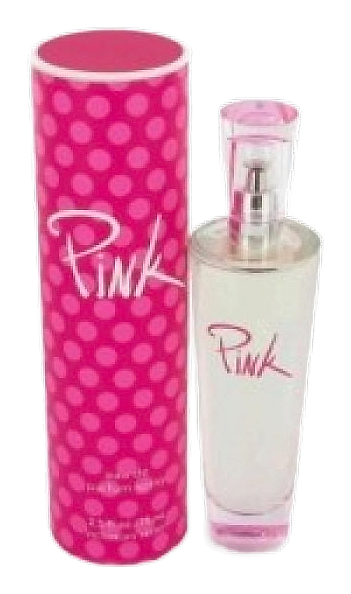
Annie Buzantian composed Pink in 2001 for Victoria's Secret. The composition is a green-floral built around violet leaf, juniper, and a basket of white florals, the kind of structure that reads as fresh and flattering on first contact. Bergamot lifts the top with a bright citrus flicker, and the violet leaf keeps the whole opening cool and slightly aqueous, the cucumber-adjacent coolness that makes a green fragrance feel clean rather than sharp. Buzantian's choice to lead with greenery over fruit or sugar gave Pink its particular personality. The white florals do the soft, pretty work in the middle, freesia lending its peppery-green sweetness, lily of the valley adding that dewy, almost watery lift, and nerori threading orange blossom brightness through the heart.
What makes Pink's structure interesting is how much green space it leaves in the composition. Violet leaf and tarragon in the top, juniper berries lending a slightly resinous snap, then a heart of freesia and lily of the valley doing the pretty work, with neroli pulling brightness through. The base is modest, just enough musk, sandalwood, and vetiver to keep the florals from floating away. This is a fragrance built to smell clean and alive, not to leave a dramatic trail.
The evolution
Pink opens sharp and aqueous. Bergamot hits first, bright and slightly bitter, then tarragon brings an herbal edge that some wearers describe as almost minty, green in a way that reads more outdoorsy than grassy. Violet leaf adds a cool, cucumber-adjacent quality that keeps the whole opening from tipping sweet. Within 20 minutes the florals arrive. Freesia and lily of the valley do the heavy lifting, sweet but airy, with neroli threading orange blossom brightness through the middle. Peony rounds it out, soft and dewy. The drydown is where Pink shows its quieter side. Musk and sandalwood settle into something warm and skin-like, with vanilla barely there, just enough sweetness to keep the base from going flat. Vetiver anchors it with a faint earthy whisper.
Cultural impact
Pink 2001 holds a specific place in the memories of people who encountered it during its original release. The green-floral character of the composition made it a distinctive option within the Victoria's Secret fragrance lineup, and its clean, outdoorsy profile gave it a personality that set it apart from sweeter or fruitier scents in the brand's catalog. Wearers from that era often describe it as a fragrance that defined a particular moment, the combination of violet leaf, juniper, and white florals creating a scent that felt fresh and modern for its time.
The House
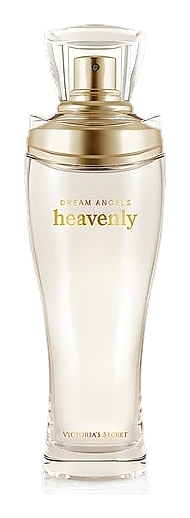
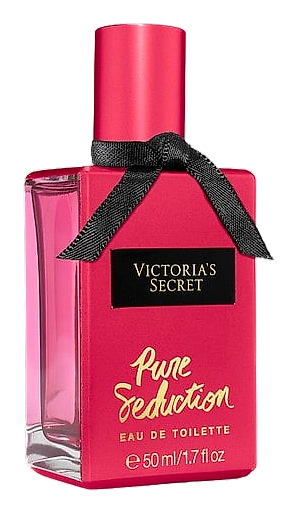
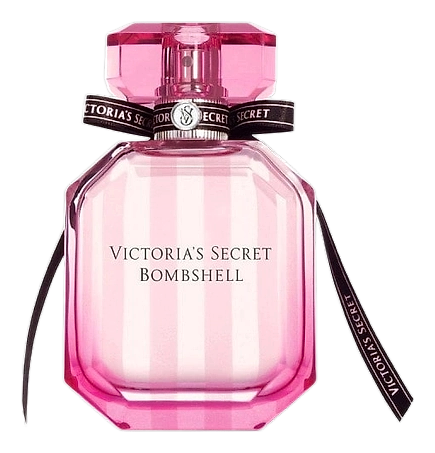
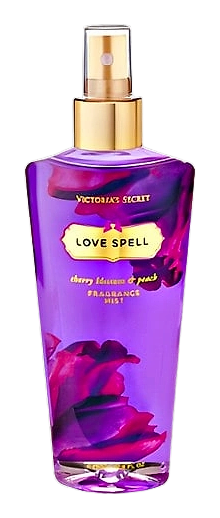
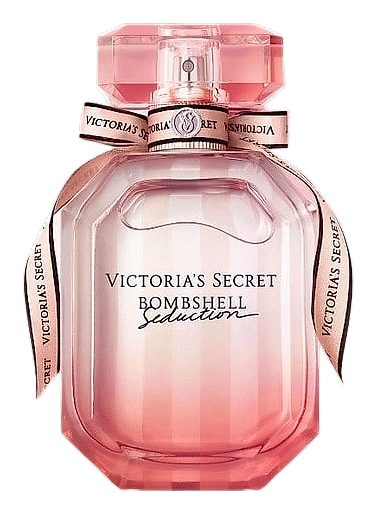
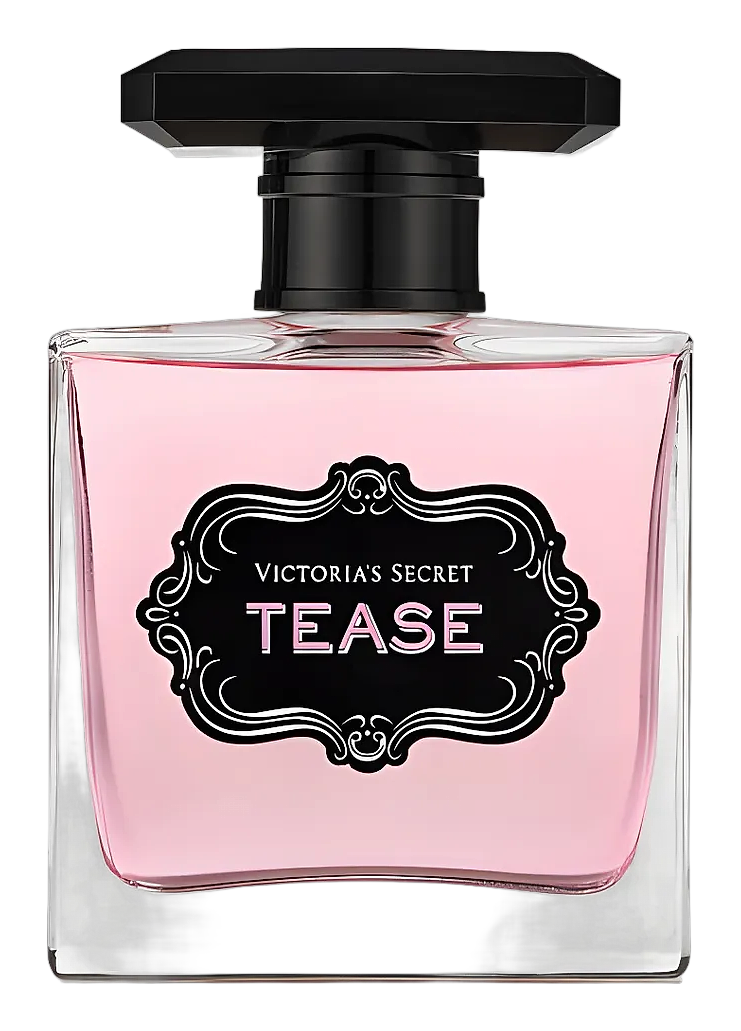
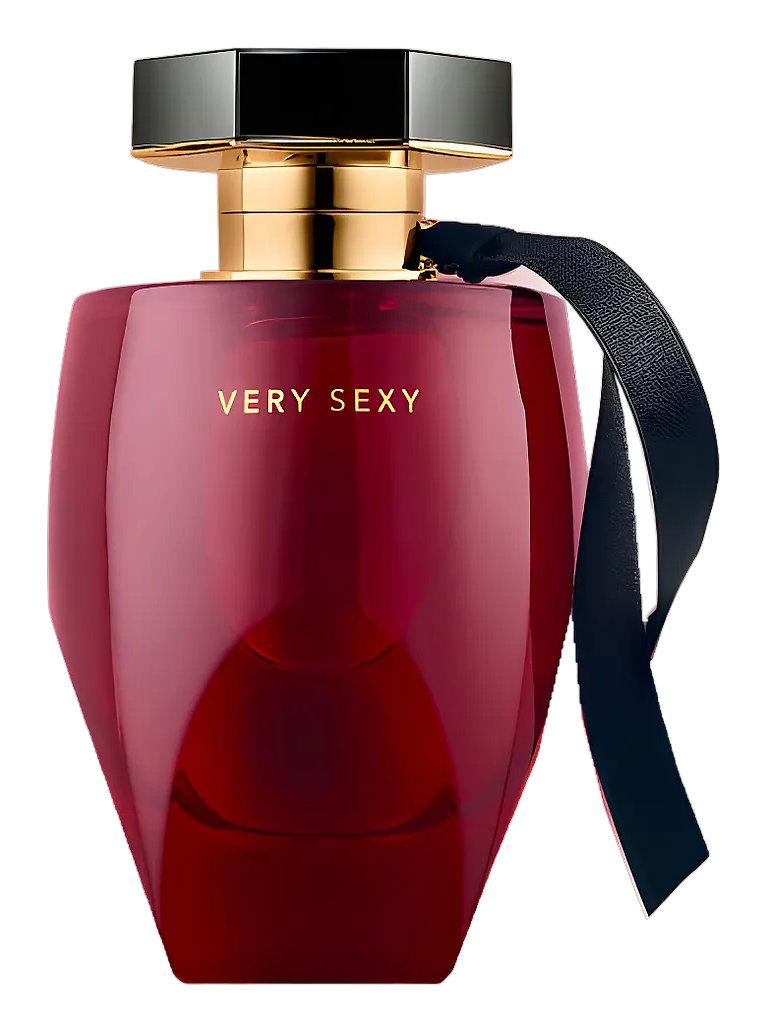
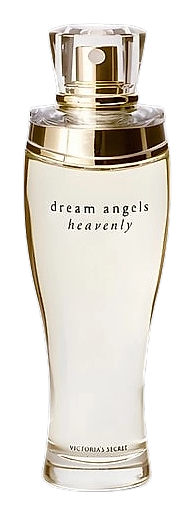
Victoria's SecretVictoria's Secret began as a San Francisco lingerie company founded in 1977 by Stanford graduate student Roy Raymond and his wife Gaye. The brand entered fragrance in 1989, launching its first perfume Victoria as part of a national magazine campaign. By the early 1990s, the company had grown to 350 stores nationwide with estimated sales of $1 billion. The beauty division grew substantially enough to generate nearly $1 billion in sales by 2006. Victoria's Secret fragrances are developed through Givaudan's Paris laboratory, the same fragrance house behind perfumes for Tom Ford, Prada, and Louis Vuitton. The brand works with a rotating roster of over 30 perfumers rather than a single in-house nose, creating scents for its Dream Angels, Very Sexy, Body, and Pink collections. Popular fragrances include Bombshell, Love Spell, Tease, and Heavenly, which ranked as the top-selling fragrance in the United States by both revenue and volume from 2005 to 2010. Victoria's Secret has won 20 Fragrance Foundation awards since 2001. The company offers fragrances alongside perfumed body care products including body mists, body lotions, and eau de parfum in various formats.
The Creator
Annie BuzantianAnnie favors a structural approach, building around a strong heart that anchors the perfume. She often chooses violet, heliotrope, and lilac to add a soft floral edge, then balances them with musk and warm woods for longevity.