The Story
Why it exists.
The beginning
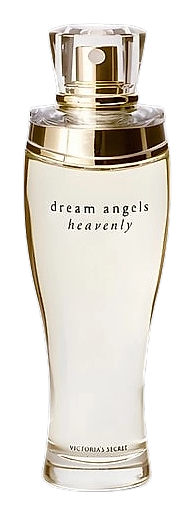
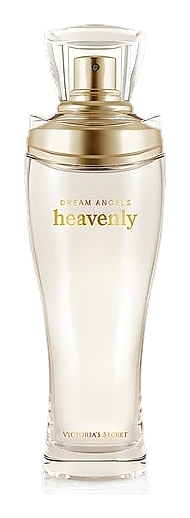
Ilias Ermenidis designed Dream Angels Heavenly in 1999 as Victoria's Secret was establishing itself as a serious fragrance player. Working through Givaudan's Paris laboratory, the same house behind Tom Ford, Prada, and Louis Vuitton, Ermenidis built the composition around an unusual tension: a warm powdery base anchored by white musk and vanilla, lifted by a top of mandarin and cardamom that flirts with spice without committing to it. The name came from the brand's broader mythology around aspiration and fantasy, but the scent itself was designed to translate that fantasy into something wearable and warm, approachable without being forgettable.
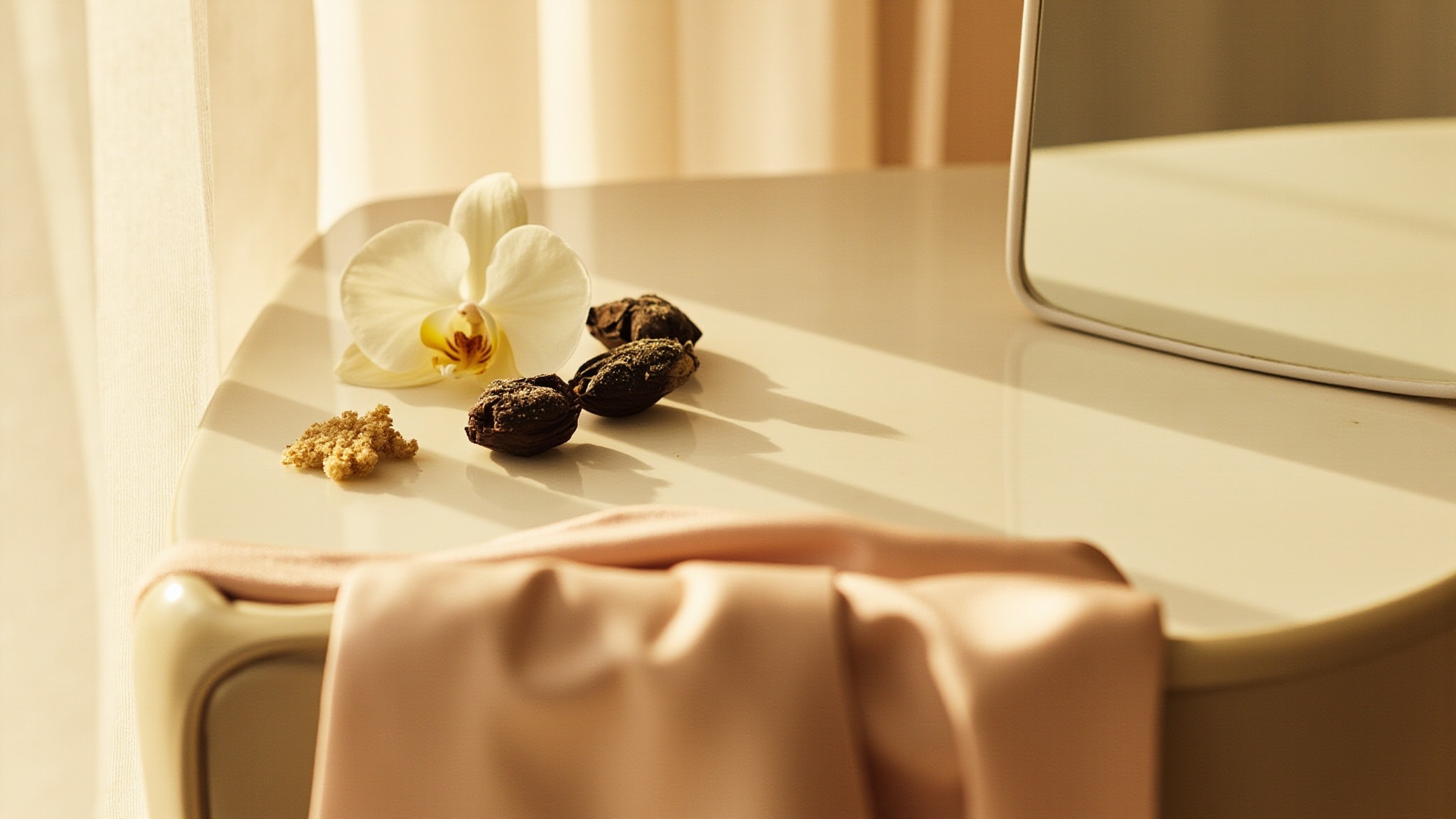
What makes this composition interesting is the cardamom. It opens bright, almost citrussy, then develops a subtle edge that some wearers describe as faintly saffron-like, a warmth that keeps the top from feeling like every other fruity-floral. Below that, the freesia-peony-lotus heart layers softly, each note bleeding into the next without sharp transitions. The result is a heart that reads as singular warmth rather than a checklist of florals. White musk and vanilla in the base do the quiet work of making this feel intimate rather than projected, present to those close, invisible to everyone else.
The evolution
The mandarin arrives first, clean and brief. Cardamom follows within a minute, the unexpected warmth, the thing that makes you smell your wrist twice. By the ten-minute mark, freesia and peony have taken over, softening everything into powder. The iris adds a faint dusty quality, violet a whisper of something almost powder-blue. Then the base: white musk wrapping around orchid and vanilla, the whole thing settling close to the skin like something that lives there. Six to eight hours on most. On fabric, it survives until the next morning, a ghost of warmth, softened further, still recognizable.
Cultural impact
Dream Angels Heavenly has been in continuous conversation since 1999, a span of over two decades of wearers keeping it in rotation. The cardamom opening is the thing people mention most: that unexpected warmth that keeps the scent from reading as just another powdery floral. Victoria's Secret designed it to be accessible, and it is, but accessibility here didn't mean boring. For a fragrance that costs what it does, it shows up in unexpected places.
The House
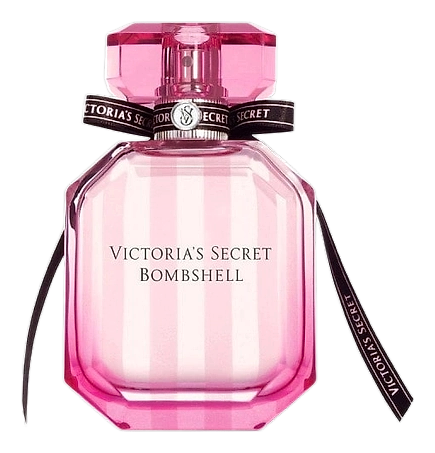
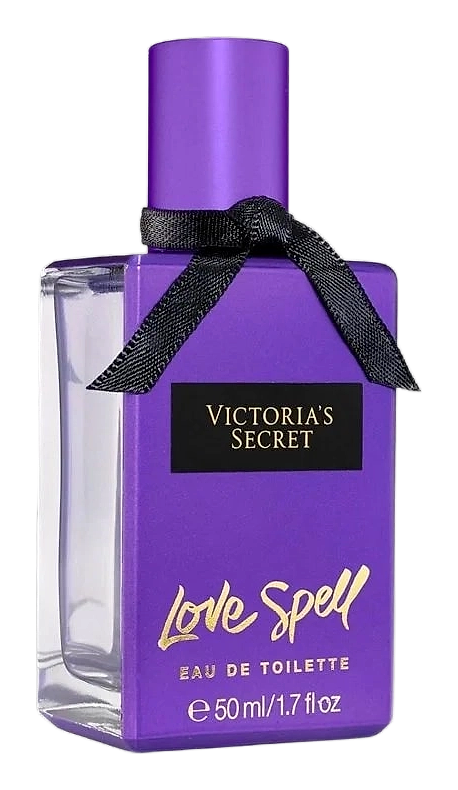
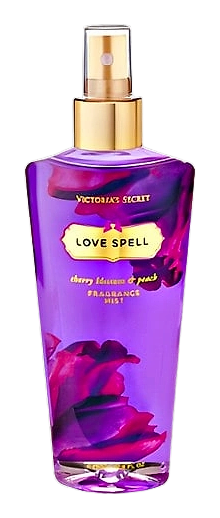
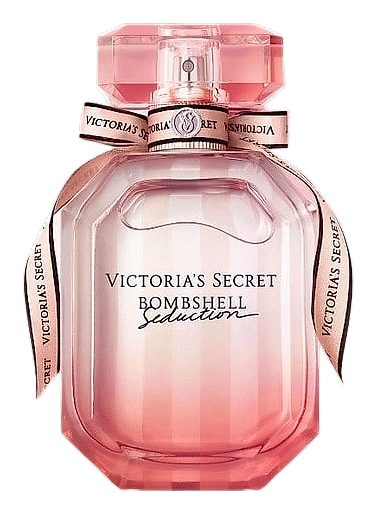
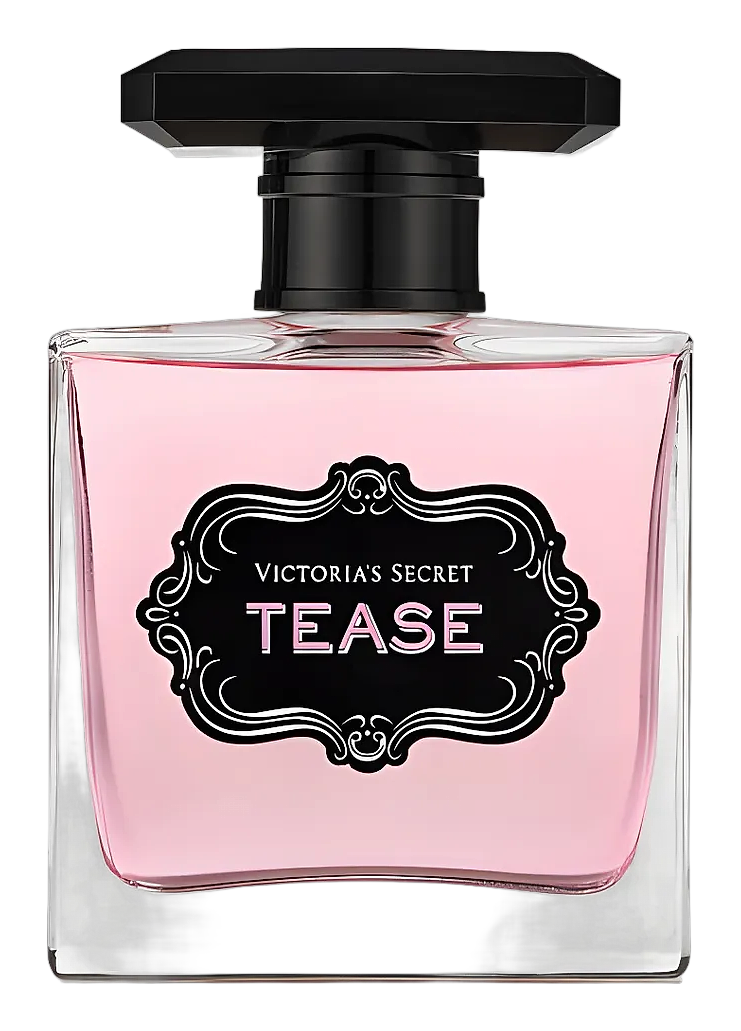
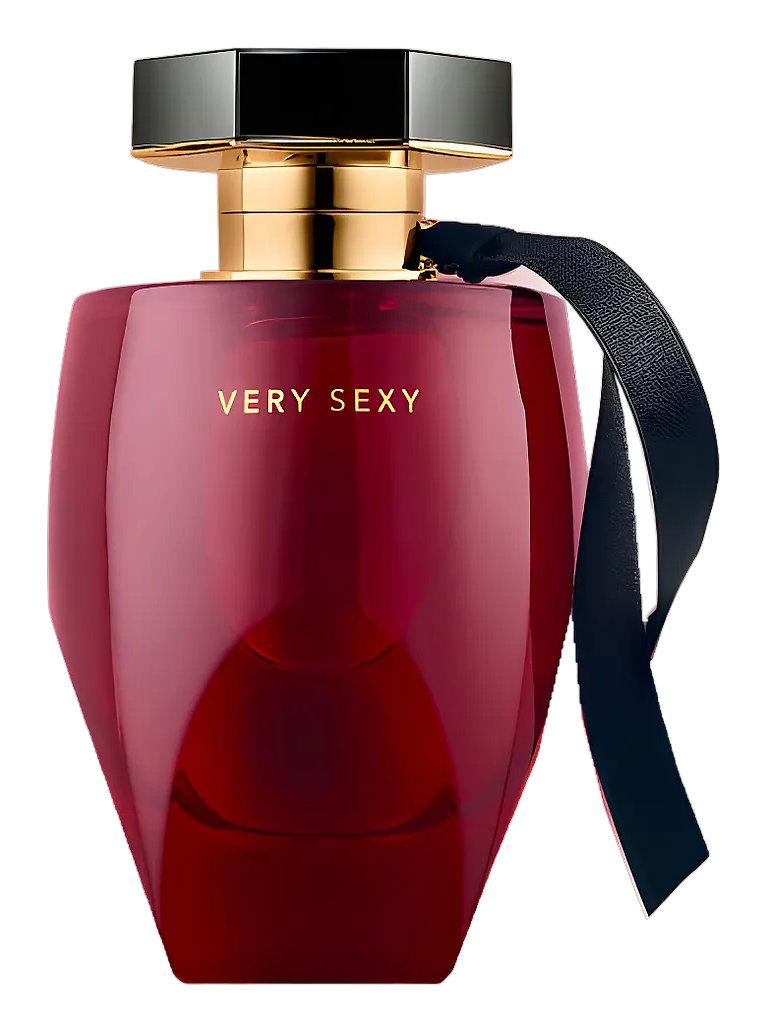
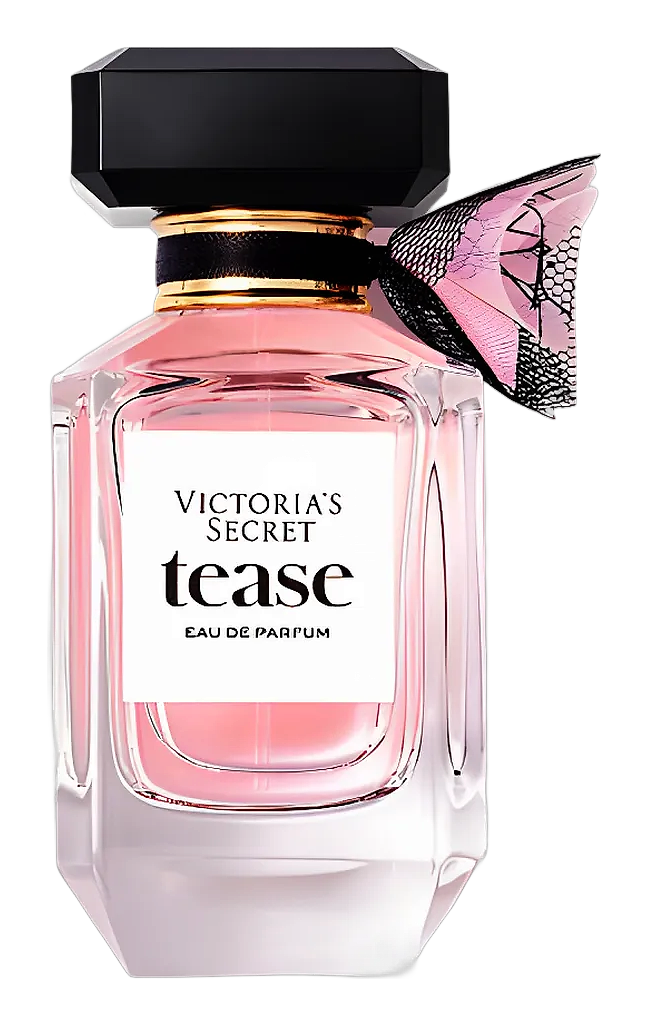
Victoria's SecretVictoria's Secret began as a San Francisco lingerie company founded in 1977 by Stanford graduate student Roy Raymond and his wife Gaye. The brand entered fragrance in 1989, launching its first perfume Victoria as part of a national magazine campaign. By the early 1990s, the company had grown to 350 stores nationwide with estimated sales of $1 billion. The beauty division grew substantially enough to generate nearly $1 billion in sales by 2006. Victoria's Secret fragrances are developed through Givaudan's Paris laboratory, the same fragrance house behind perfumes for Tom Ford, Prada, and Louis Vuitton. The brand works with a rotating roster of over 30 perfumers rather than a single in-house nose, creating scents for its Dream Angels, Very Sexy, Body, and Pink collections. Popular fragrances include Bombshell, Love Spell, Tease, and Heavenly, which ranked as the top-selling fragrance in the United States by both revenue and volume from 2005 to 2010. Victoria's Secret has won 20 Fragrance Foundation awards since 2001. The company offers fragrances alongside perfumed body care products including body mists, body lotions, and eau de parfum in various formats.
The Creator
Ilias ErmenidisThe Greek-Turkish nose favors transparent structures built on a solid base of natural absolutes. He reaches for oud, ambergris, and rose de mai, but always layers them with unexpected modifiers—citrus zest, spice tinctures, or a whisper of leather.