The Story
Why it exists.
The beginning
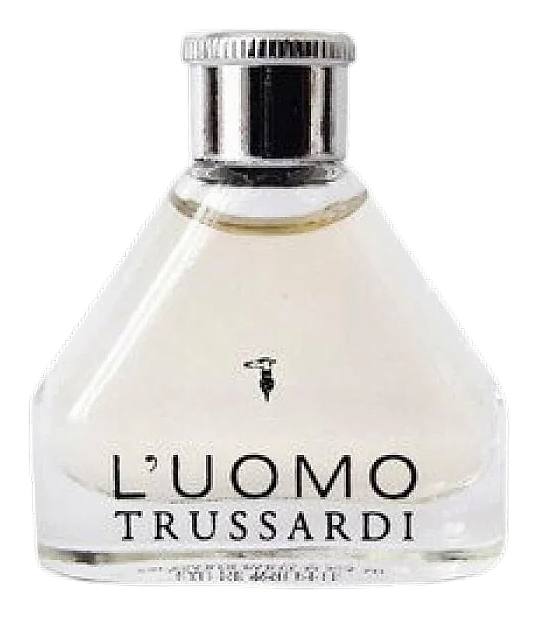
L'Uomo arrived in 1995, stepping into a Trussardi lineup that had been building quietly throughout the early part of the decade. The house, rooted in Italian heritage since 1911, carried a certain Milanese sensibility into everything it made, and this scent was designed as a masculine expression of that identity. Something a man could put on without thinking about it, something that translated craft into wearability. The composition leans on a bright, social, assured mood that never tips into formality. It's confident without being loud, present without demanding attention, the kind of scent that fits a dinner reservation as easily as a Tuesday morning.
What's interesting here is the tension between the freshness of the opening and the warmth underneath. Tomato leaf and mandarin read almost rustic, like something pulled from a kitchen garden at midday. Then cedar and geranium pull the whole thing toward something more structured. The base brings in okoumal and tobacco, giving it the kind of drydown you associate with vintage leather without smelling like a leather fragrance in any conventional sense. It works because nothing in the pyramid leans too hard.
The evolution
The first 15 minutes are a clean snap. Mandarin and bergamot arrive bright and confident, sharpened by lavender and that green tomato-leaf edge that some people pick up immediately and others don't notice at all. It's the loudest the fragrance will ever be, a quick declaration before everything settles. By the 30-minute mark, the citrus starts retreating and the cedar steps forward, dry and architectural, with geranium adding a faint floral that keeps things from feeling heavy. The woody-spicy middle holds for a few hours, never loud, never invisible, just a steady presence at conversational distance. Past the 4-hour mark, things settle into a warm vanilla-tobacco drydown over patchouli and sandalwood. The okoumal gives it a slightly resinous finish, almost like the last trace of a leather glove left on a wooden bar.
Cultural impact
L'Uomo carved out its place among the woody-fruity compositions that defined a particular masculine sensibility in the 1990s. It became a recognizable signature for men who wanted something warm, sweet, and structured without overselling itself. On fragrance platforms, it's frequently listed alongside other woody-fruty scents of the era, including Tristano Onofri's Tristano and Aigner's Statement, both of which share that same confident, slightly sweet profile. That clustering tells you something about the category L'Uomo helped define, and it explains why the fragrance still surfaces in conversations about 90s masculine perfumery.