The Story
Why it exists.
The beginning
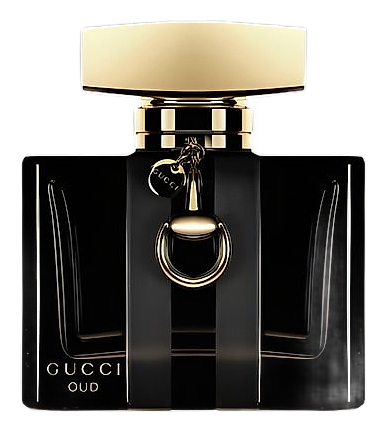
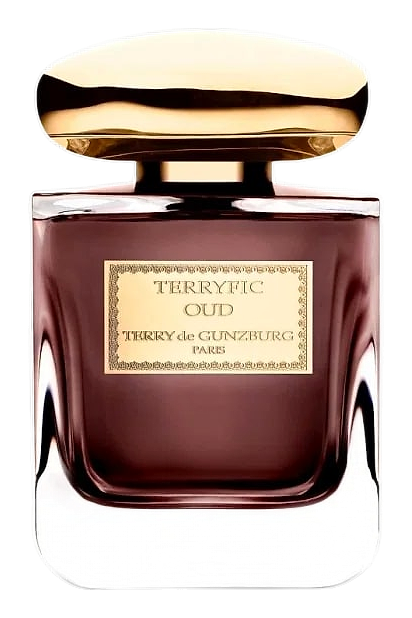
Terryfic Oud arrived in 2013, composed by Jean-Michel Santorini in collaboration with the house of Robertet. The brief was clear enough on its own terms: build something that doesn't whisper where the brand tends to speak. The name does the heavy lifting. Terryfic nods to the house's founder without overplaying the hand, and Oud sits beside it because nothing else in modern perfumery carries quite the same gravitational pull. Together they promise intensity without apology, the kind of composition that treats restraint as a suggestion rather than a rule. The bottle arrives dressed in deep lacquer, the juice a dark amber that looks closer to aged resin than anything you'd call a cologne.
What makes the construction interesting is the layering of fruit and resin. Raspberry and red berries open the door, sweet and almost flirtatious, then cumin and saffron pull the temperature up before iris and rose soften the edges. The base is where the composition earns its name: oud, papyrus, castoreum, and labdanum stacked with sandalwood and cedarwood. There's a density to the base that announces itself without ceremony.
The evolution
The opening phase feels almost like a different fragrance. Bergamot and raspberry lift off bright, fruity, almost playful, the kind of opening that earns compliments from people who usually wear florals. Then cumin arrives and the temperature shifts. It's a dry heat, not aggressive, but unmistakable. Saffron threads through rose and iris as the composition starts to darken, the spices pulling the fruit back while the florals take on a powdery gravity. The fruits recede eventually, and the base takes command. Oud leads, smoky and resinous, with papyrus adding a dry, almost papery dryness underneath. Castoreum brings that leathery warmth, labdanum the ambered glow, while sandalwood and cedarwood keep the structure from collapsing into sweetness. In the later stages, the scent doesn't vanish so much as settle.
Cultural impact
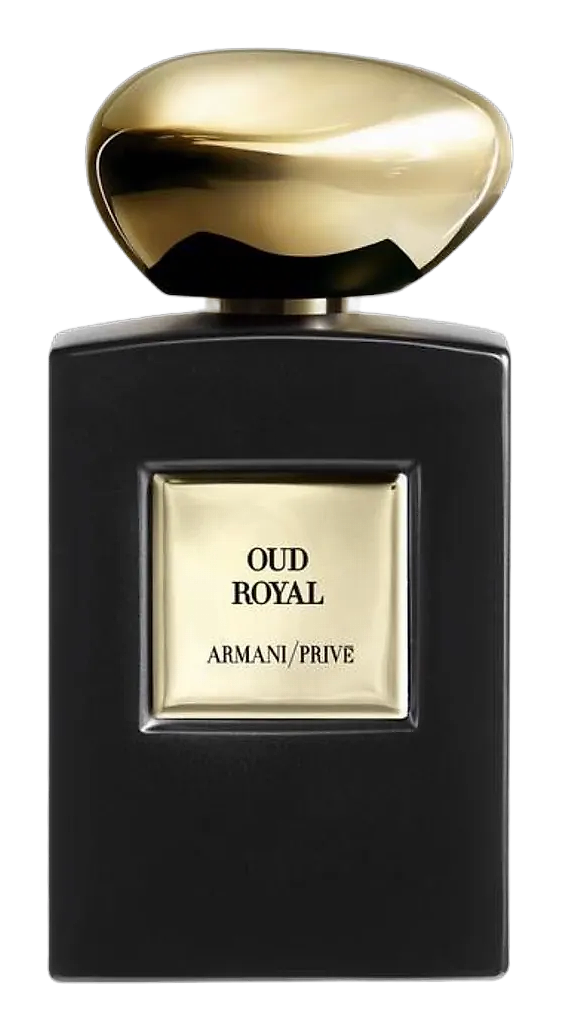
Among collectors who treat oud as a wardrobe staple rather than a novelty, Terryfic Oud gets mentioned alongside the heavier hitters of the early 2010s, including Armani Privé Oud Royal. It sits in a particular niche: a Western composition that takes oud seriously enough to let it lead, without leaning on the conventions of Middle Eastern oud perfumery. The raspberry opening gives it a brightness that sets it apart from the leather-leaning ouds that filled shelves a few years later, and the papyrus-and-castoreum base gives it a dryness that reads as architectural rather than gourmand.