The Story
Why it exists.
The beginning
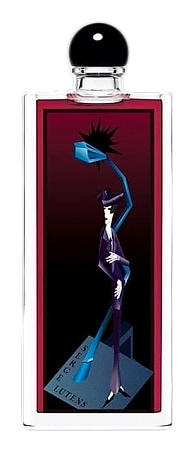
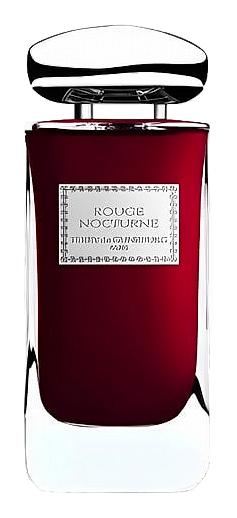
Rouge Nocturne arrived in 2014 from Terry de Gunzburg, the makeup artist who understood that fragrance could be more than decorative. Perfumer Michel Almairac translated the brief into something that reads like a single word: night. Not darkness for its own sake, but the specific darkness of an evening that refuses to end. The name says it plainly: red night, the hour when roses stop performing and start being themselves. The composition opens with damask rose that feels almost velvety in its presentation, rich and enveloping without being heavy. There's an immediate depth to the heart notes that suggests something darker than a standard floral.
What makes Rouge Nocturne work is the decision to let damask rose be everything at once, not supporting actress, not background player, but the entire show. Most rose fragrances hedge by adding fruit or aquatic notes to soften the blow. Here, the rose stands unaccompanied, and Indonesian patchouli doesn't soften it, it deepens it. The amber adds warmth without sweetness, the kind that sits close to skin rather than announcing itself. The result is a fragrance that doesn't behave like a floral. It behaves like a material. Rose as resin, rose as earth, rose as the thing that remains when everything else has been stripped away. It's not trying to be modern. It's trying to be exact.
The evolution
The opening is immediate, damask rose, velvet-dark, arriving with the confidence of something that's been waiting. Amber follows within minutes, adding warmth that doesn't project so much as settle. By the thirty-minute mark, the Turkish rose hasn't softened; it's deepened, finding something almost resinous in its character. Indonesian patchouli arrives quietly, pulling the composition toward earth and wood without ever making it heavy. This is where the fragrance earns its name, the rose isn't gone, but it's been transformed by everything that came after it. The drydown lasts for hours. Amber and patchouli become one, warm and intimate, staying close to skin rather than filling a room. What makes Rouge Nocturne distinctive is how these transitions feel organic rather than staged.
Cultural impact
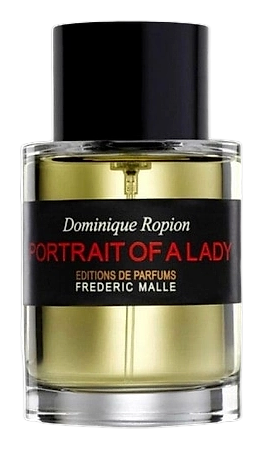
The fragrance centers on rose with amber warmth and Indonesian patchouli providing depth and grounding. Community discussions frequently compare it to Frederic Malle's Portrait of a Lady, noting their similar dark rose character. Cultural touchstones like the de Clermont clan from Darkest Hour have emerged in how people describe the fragrance, reflecting its mysterious and powerful character. For those seeking a rose that moves beyond conventional floral territory, this appears to occupy a distinctive space in enthusiast circles.