The Story
Why it exists.
The beginning
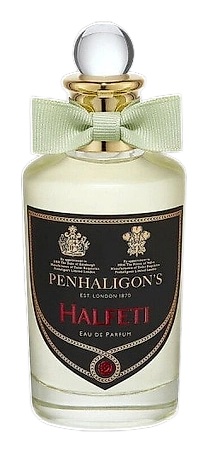
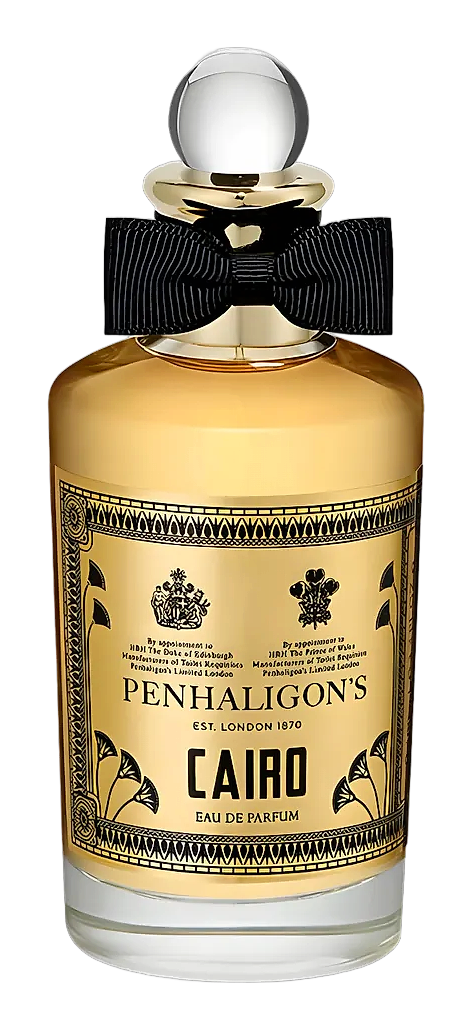
Cairo arrived in 2019 from perfumer Christophe Raynaud, working with a London house founded in 1870 that holds Royal Warrants from two members of the British royal family. The name points to an ancient city at the crossroads of trade routes, a meeting place for materials from across continents. Raynaud translated that geography into scent by selecting materials that carry cultural weight: frankincense from the Arabian Peninsula, rose from regions that have traded it for millennia, cedarwood from the Levant. The brief was not to create a postcard interpretation of Cairo but to capture the complexity of place and the materiality of trade itself.
The note selection reflects a philosophy of material authenticity. Rose is used sparingly here, not as a romantic gesture but as a structural element. Saffron adds complexity without the medicinal sharpness it can carry in lesser compositions. The use of labdanum over more common amber materials speaks to a preference for depth over projection. Cypriol, a relatively obscure ingredient, adds an earthy, slightly smoky quality that grounds the composition. Sandalwood and cedarwood in the drydown are chosen for their compatibility, creating a woody foundation that does not compete with the resins above it.
The evolution
The opening introduces rose and saffron as co-equals, with frankincense providing aromatic depth beneath them. This trio does not perform a simple top-heart transition; instead, it evolves as a unified structure, with the saffron warming as it meets skin chemistry. The heart of labdanum and cypriol arrives not as a replacement but as an amplification of the warmth already present. The drydown takes the resinous quality established in the heart and translates it into woody territory, with patchouli and cedarwood creating an earthy foundation while sandalwood and vanilla soften the edges. The progression feels architectural, each material building on what precedes it.
Cultural impact
Cairo belongs to Penhaligon's Trade Routes collection, a line that draws inspiration from historical trade routes and the aromatic materials that moved along them. Within that framework, Cairo occupies a specific position: warm, full-bodied, with a weight that doesn't require volume. Community reviews consistently describe it as ideal for fall and winter evenings, a scent for when the temperature drops and warmth becomes a priority. The fragrance has the kind of presence that commands attention without demanding it, the sort of scent people notice not because it's loud, but because it has something to say.