The Story
Why it exists.
The beginning
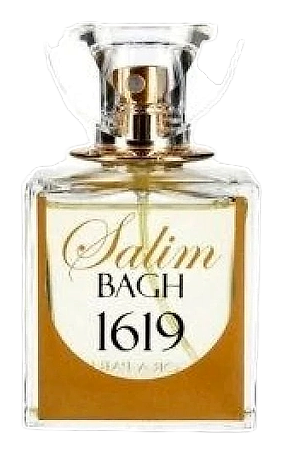
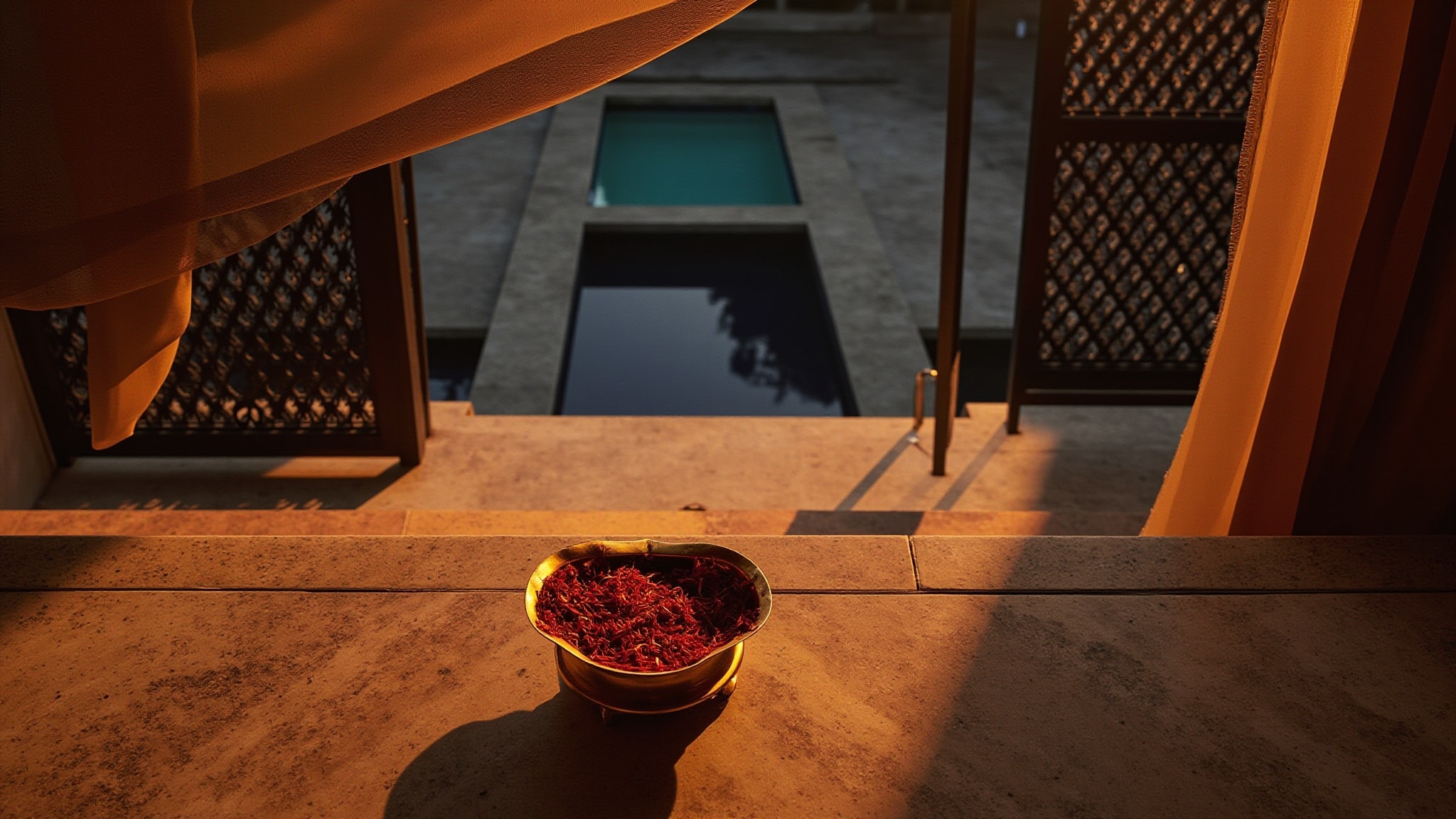
Christian Carbonnel designed Salim Bagh 1619 for Tabacora Parfums, a house that operates from a small studio and releases limited editions inspired by historic trade routes and regional craft traditions. The reference to 1619 connects to Mughal history, a period when Emperor Shah Jahan was establishing his most ambitious architectural projects. The name itself translates to garden of Shah, invoking the ornamental gardens that surrounded Mughal courts and palaces. This historical grounding informs the fragrance's structure, which moves from bright, precious materials through darker resinous heart notes to a warm, lingering base that recalls incense-filled chambers and garden pavilions in evening light.
The note selection reflects a philosophy of contrast and complement. Saffron and rose represent the garden's fragrant abundance, while iris adds textural complexity. The oud-centric heart and drydown reference the resins and woods burned as incense in enclosed spaces. This pairing of bright, delicate materials with dark, resinous depths creates the fragrance's essential tension, preventing it from becoming merely sweet or merely austere. The composition rewards patience, as its character shifts substantially from opening to drydown.
The evolution
The fragrance moves through three distinct phases that mirror the arc of a day in a Mughal garden. The opening hour belongs to saffron, rose, and iris, materials associated with perfumery's most precious and complex aromatics. As the saffron's initial intensity softens, the rose and iris become more apparent, creating a delicate floral-spice balance. The heart phase marks a significant tonal shift as oud, gurjum, and cypriol take over, introducing dark, smoky, and resinous qualities that speak to the materials' historic association with sacred and courtly contexts. The drydown phase brings resolution and warmth, with amber, musk, patchouli, and vanilla creating an enveloping base that lingers long after the initial application.
Cultural impact
Since its 2017 debut, Salim Bagh 1619 has built a following among collectors who seek the rose-oud formula executed with more complexity than the category typically offers. Forum members have noted its unusual structural arc, the way it reshapes itself from opening to drydown, as a distinguishing quality. Community reviews describe it as a fragrance that takes patience, rewarding wearers who are willing to let it develop rather than expecting immediate gratification.