    Brand Profile

    Tabacora Parfums crafts niche fragrances that echo historic trade routes and regional craft. The house releases limited‑edition scents such…More

    India·Site

    2

    Fragrances

    4.3

    Rating

    6
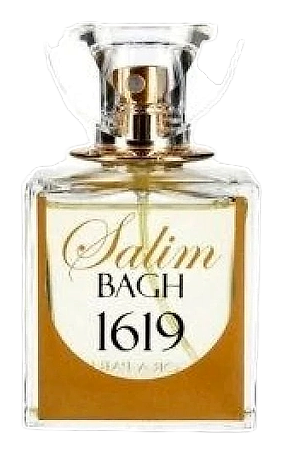
    Salim Bagh 1619 by Tabacora Parfums – Eau de Parfum
    Best Seller
    4.3

    Salim Bagh 1619

    Eau de Parfum

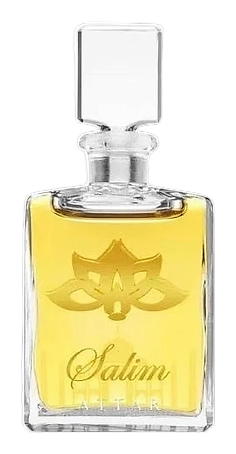
    Salim by Tabacora Parfums
    Best Seller
    4.3

    Salim

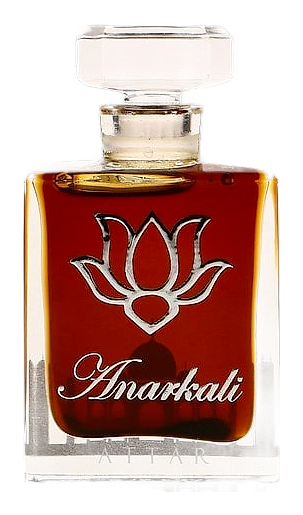
    Anarkali by Tabacora Parfums
    Best Seller
    3.8

    Anarkali

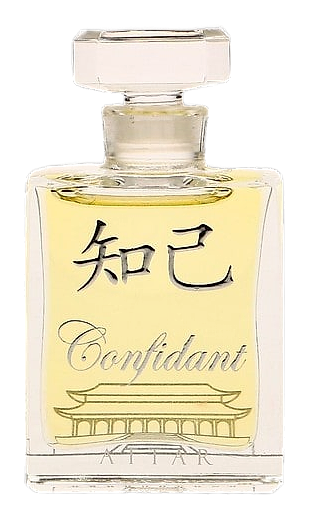
    Confidant Attar by Tabacora Parfums
    3.7

    Confidant Attar

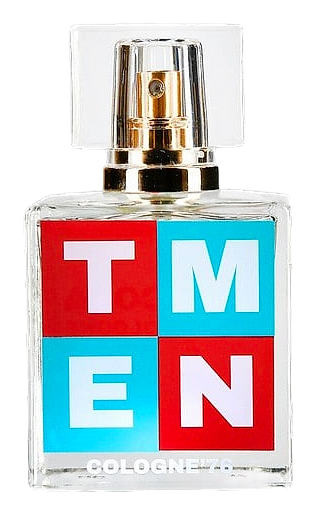
    T Men Cologne'76 by Tabacora Parfums
    3.7

    T Men Cologne'76

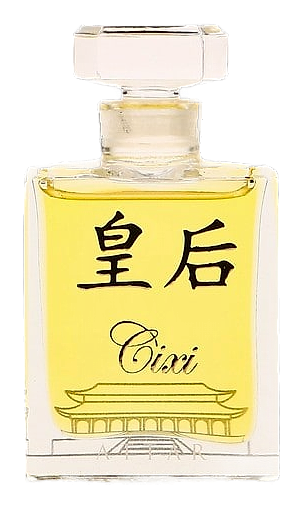
    Cixi Attar by Tabacora Parfums
    3.7

    Cixi Attar

    The Heritage

    The Story of Tabacora Parfums

    Tabacora Parfums crafts niche fragrances that echo historic trade routes and regional craft. The house releases limited‑edition scents such as Salim (2015) and Confidant Attar (2018), each built around natural extracts and traditional distillation. Its portfolio balances bold colognes like T Men Cologne'76 with delicate attars, offering collectors a curated journey through scent history.

    Heritage

    Tabacora Parfums emerged in the mid‑2010s as a response to the growing appetite for authentic, regionally rooted perfumes. The founders, whose names appear in several independent interviews, sought to revive the attar tradition that flourished in the Indian subcontinent for centuries. In 2015 they launched Salim, a fragrance that references the Mughal era and quickly attracted attention on fragrance forums for its use of sandalwood and ambergris alternatives. Two years later the brand introduced Salim Bagh 1619, a nod to the historic year when the Mughal emperor Shah Jahan began his architectural projects, blending rose and oud in a composition that critics described as “historically resonant.” 2015 also saw the release of Anarkali, a floral‑spicy scent inspired by the eponymous court dress, which highlighted the house’s willingness to translate visual culture into olfactory form. 2017 marked a technical shift when Tabacora introduced T Men Cologne'76, a unisex citrus‑spice blend that employed a cold‑press extraction method uncommon in the niche market. The following year the brand unveiled Cixi Attar, a tribute to the Chinese Empress Dowager, showcasing a cross‑cultural dialogue through ingredients like jasmine and musk. In 2018 Confidant Attar arrived, emphasizing a minimalist approach with a single‑note focus on frankincense, reflecting the house’s evolving philosophy of restraint. Throughout its first decade, Tabacora has maintained a small‑batch production model, sourcing raw materials directly from farmers in Rajasthan, Kerala, and the Levant, and partnering with master distillers who practice centuries‑old techniques. This commitment to provenance and craftsmanship has positioned the brand as a quiet but respected player among niche perfume enthusiasts worldwide.

    Craftsmanship

    Tabacora follows a hands‑on production process that blends traditional attar distillation with modern quality controls. Raw botanicals arrive at the studio after a vetting stage that checks for purity, age, and sustainable harvest methods. For floral attars, the house employs steam‑distillation in copper alembics, a technique documented in regional craft manuals and still used by master perfumers in Jaipur. When extracting resinous notes like frankincense, Tabacora opts for cold‑press extraction to preserve volatile compounds. Each batch undergoes gas chromatography analysis to verify concentration levels, ensuring consistency across limited runs. The brand sources sandalwood from the Indian state of Karnataka, where a government‑certified forest department monitors extraction quotas. Oud comes from the wild forests of the Levant, purchased directly from tribal collectors who follow age‑old tapping rituals. After blending, the perfume rests in dark glass containers for a maturation period ranging from three to six months, allowing the notes to integrate fully. Quality inspectors then evaluate each sample for balance, longevity, and projection before approving it for bottling. Bottles are hand‑filled in a climate‑controlled environment to prevent oxidation. The final product receives a hand‑applied label and a sealed wax seal, a nod to historic perfume packaging. This meticulous approach, verified by third‑party lab reports posted on the brand’s website, underscores Tabacora’s dedication to both heritage and precision.

    Design Language

    Tabacora’s visual language mirrors its olfactory intent. The brand favors matte black glass bottles with minimalist copper caps, a design choice that references the metalwork of Mughal artisans. Labels feature hand‑drawn calligraphy in a deep indigo hue, evoking traditional manuscript illumination. The typography is clean, using a serif font that balances modern readability with historic gravitas. Packaging boxes are crafted from recycled kraft paper, printed with subtle embossing that reveals a map of ancient trade routes when held to light. Inside, a thin vellum card describes the fragrance’s inspiration, written in a tone that feels like a personal letter rather than a marketing blurb. The overall aesthetic avoids flashy embellishments, instead relying on texture, contrast, and restrained color palettes to convey a sense of quiet luxury. This approach resonates with collectors who appreciate understated elegance and aligns with the brand’s emphasis on authenticity over spectacle.

    Philosophy

    Tabacora views fragrance as a bridge between past and present. The house believes that scent can narrate history without relying on overt storytelling. Its creators prioritize authenticity, selecting ingredients that carry cultural memory, such as Mysore sandalwood or Syrian cedar. The brand avoids mass‑market trends, instead focusing on limited releases that allow deeper exploration of each material. Sustainability informs every decision; Tabacora works with cooperatives that practice organic farming and fair‑trade principles. The team encourages collectors to experience each perfume as a moment in time, inviting them to pause and reflect on the lineage of the scent. By limiting distribution, the house ensures that each bottle remains a personal artifact rather than a commodity. This philosophy aligns with the broader niche movement that values depth over breadth, and it guides the brand’s future releases, which aim to uncover overlooked aromatic traditions.

    Key Milestones

    2015

    Launch of Salim, a scent inspired by Mughal heritage, marking the brand’s entry into the niche market.

    2015

    Release of Anarkali, a floral‑spicy perfume that translates historic court attire into scent.

    2017

    Introduction of T Men Cologne'76, a unisex citrus‑spice blend that showcases cold‑press extraction.

    2017

    Debut of Salim Bagh 1619, a rose‑oud composition referencing early Mughal architecture.

    2018

    Launch of Confidant Attar, a minimalist frankincense attar emphasizing sustainable sourcing.

    2018

    Release of Cixi Attar, a cross‑cultural fragrance that blends jasmine and musk in tribute to the Chinese empress.

    At a Glance

    Brand profile snapshot

    Origin

    India

    Collection

    2

    Fragrances released

    Avg Rating

    4.3

    Community sentiment

    Release Rhythm

    2018
    2
    2017
    2
    2015
    2
    tabacora.com

    Did You Know?

    Interesting Facts

    Distinctive details and defining moments that shape the house personality.

    01

    Tabacora sources Mysore sandalwood directly from a cooperative that plants a new tree for every kilogram harvested.

    02

    The brand’s copper alembics are hand‑crafted by artisans in Jaipur, a city known for its metalwork heritage.

    03

    Each limited‑edition release includes a wax seal made from locally sourced beeswax, a practice revived from 19th‑century perfume houses.

    04

    Tabacora’s Confidant Attar was the first fragrance from the house to be certified organic by a third‑party lab.