







The Heritage
The Story of Scentido
Scentido is a niche perfumery that bridges India’s emerging scent culture with the global demand for experiential fragrance. Founded in 2018 by Shishir Mehta, the brand operates a boutique in Mumbai that invites shoppers to explore curated olfactory journeys rather than simply purchase a bottle. In 2020 the label opened a second studio in Dubai, extending its reach while keeping the same focus on discovery, quality ingredients, and long‑lasting compositions. Today Scentido offers a rotating portfolio that includes seasonal releases such as Limoncello (2024) and Tropical Bloom (2024) alongside staple creations like Honey Gourmand and Plum Noir, each presented in minimalist glass that highlights the scent rather than the packaging.
Heritage
The story of Scentido begins in 2008, when Shishir Mehta, a longtime fragrance enthusiast, began collecting niche perfume houses and studying the chemistry of scent. His early experiments, conducted in a modest home lab, laid the groundwork for a more ambitious venture. In 2015 Mehta launched Scentido Luxury Trading, a distribution outfit that supplied boutique brands to Indian retailers and gave him insight into market gaps. Two years later, in 2018, he formalised his own boutique under the legal entity Mirasimo Fragrances & Cosmetics LLP, positioning Scentido as India’s first experiential niche perfumery boutique. The flagship store in Mumbai was designed as a sensory lounge where customers could test fragrances on skin, learn about ingredient origins, and receive personalized recommendations – a departure from the typical retail model. The brand’s ambition quickly outgrew the local market. In 2020, leveraging contacts made during the earlier trading phase, Mehta opened a second studio in Dubai’s Alserkal Avenue. The Dubai location retained the experiential ethos but added a curated selection of international niche houses, allowing the brand to act as both creator and conduit. This dual‑city presence helped Scentido attract a clientele that values both discovery and authenticity. Since its inception, Scentido has marked milestones with limited‑edition launches that reflect seasonal inspirations. The 2022 release of Toxic Amber captured the growing appetite for darker, resinous accords, while the 2023 introduction of Majestic Floral celebrated the resurgence of classic bouquet structures. In 2024 the house unveiled two fresh offerings – Limoncello, a bright citrus composition inspired by the Italian liqueur, and Tropical Bloom, a vibrant tropical fruit blend that quickly became a favorite among the boutique’s regulars. Each launch is accompanied by a small‑batch production run, reinforcing the brand’s commitment to scarcity and craftsmanship. Throughout its growth, Scentido has remained anchored to its original mission: to make niche perfumery approachable without diluting its artistic integrity. The brand’s evolution from a personal hobby to a bi‑continental boutique illustrates how a clear vision, combined with careful curation and a willingness to experiment, can reshape a market that previously relied on imported luxury houses.
Craftsmanship
Every Scentido fragrance begins with a brief that outlines the intended mood, target audience, and key ingredients. The brief is handed to a perfumer—often an independent artisan based in France, Italy, or India—who translates the concept into a raw accord. Once the initial formula is drafted, Scentido conducts a series of skin tests in its Mumbai and Dubai labs, measuring projection, longevity, and how the scent evolves over time. The brand uses a gas chromatography‑mass spectrometry (GC‑MS) analysis to verify that each ingredient meets purity standards and to confirm that no prohibited substances are present. Ingredient sourcing follows a strict vetting process. Natural extracts such as Indian sandalwood, Mysore jasmine, and Kerala cardamom are purchased directly from cooperative farms that provide traceability certificates. Synthetic aromachemicals, like Iso E Super or Hedione, are sourced from manufacturers that comply with REACH regulations and have third‑party audit reports. For rare ingredients, Scentido partners with ethical suppliers who can guarantee sustainable harvesting, for example, wild‑crafted frankincense from Oman. The blending stage occurs in temperature‑controlled rooms to preserve volatile top notes. Master blenders follow a timed addition protocol, introducing base notes first, followed by heart and top accords, allowing each layer to integrate fully. After blending, the mixture rests for a minimum of four weeks, a period known as maceration, during which the perfume achieves its final equilibrium. Quality control is rigorous. Each batch undergoes blind olfactory testing by a panel of trained noses who evaluate consistency with the original scent profile. Any deviation triggers a reformulation before the batch proceeds to bottling. Bottles are hand‑filled in a clean‑room environment to prevent contamination. The glass is inspected for imperfections, and caps are sealed with a tamper‑evident liner. Finally, each bottle receives a batch code and a QR code that links to a digital dossier containing ingredient lists, sourcing details, and the GC‑MS report, offering full transparency to the consumer. Through this meticulous process, Scentido ensures that its fragrances not only smell exceptional but also meet high standards of safety, sustainability, and artistic integrity.
Design Language
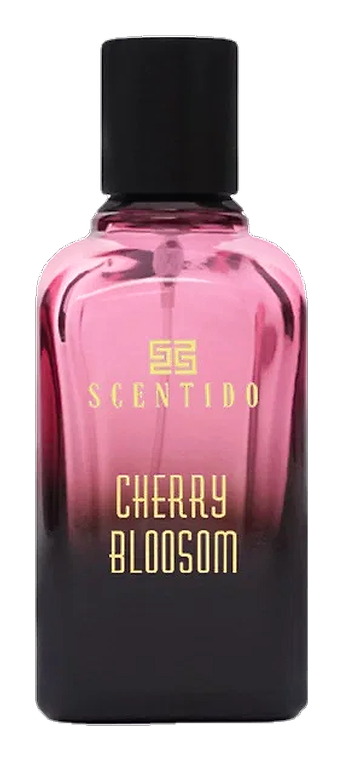
Scentido’s visual language mirrors its olfactory philosophy: clean, understated, and focused on the scent itself. The brand’s bottles are tall, cylindrical vessels of clear recycled glass, allowing the perfume’s natural hue to become the centerpiece. Minimalist caps are crafted from brushed aluminum or matte black polymer, each bearing a subtle engraved logo that references the brand’s initials in a stylised, sans‑serif typeface. The packaging sleeve is a soft‑touch matte paper in neutral tones—often ivory, slate, or muted terracotta—punctuated by a single accent color that hints at the fragrance’s key note (for example, a bright citrus stripe for Limoncello). Typography is restrained: the fragrance name appears in capitalised, spaced‑out lettering, while the ingredient list and story are printed in a fine serif font that evokes classic perfume catalogues. In the boutique spaces, the aesthetic extends to interior design. Walls are painted in warm, earthy shades, and wooden display tables showcase the bottles on natural stone platters. Soft, indirect lighting highlights the glass without creating glare, encouraging visitors to linger and explore. The Dubai studio incorporates a subtle nod to its desert surroundings with sand‑colored accents and a curated selection of local art, while the Mumbai boutique blends contemporary Indian motifs, such as hand‑woven textiles, into its backdrop. Digital assets follow the same minimal approach. The website features generous white space, high‑resolution close‑ups of the bottles, and short video loops that capture the perfume’s essence—like a slow‑motion pour of amber liquid into a glass vessel. Social media posts are curated collections of scent notes, ingredient origins, and behind‑the‑scenes glimpses of the blending process, all presented in a cohesive, monochrome palette that reinforces the brand’s premium‑minimal identity.
Philosophy
Scentido’s creative vision rests on three guiding principles: authenticity, education, and sustainability. Authenticity means sourcing ingredients that are true to their botanical or synthetic origins and avoiding over‑processed shortcuts that can mask a fragrance’s character. The brand believes that a perfume should tell a story that can be traced back to its raw materials, whether that is a Calabrian bergamot or a lab‑crafted ambergris substitute. Education is woven into every customer interaction. The boutique’s staff are trained to discuss scent families, note structures, and the chemistry behind longevity, turning a purchase into a learning experience. This approach reflects Mehta’s own journey from hobbyist to perfumer; he wants each visitor to leave with a deeper appreciation for how a fragrance is built. Sustainability informs both ingredient selection and packaging. Scentido prioritises suppliers who practice ethical harvesting, such as fair‑trade jasmine farms in India and responsibly sourced sandalwood from certified plantations. The brand also works with manufacturers that employ low‑energy extraction methods, reducing its carbon footprint. On the packaging side, bottles are made from recycled glass, and caps are crafted from biodegradable polymers whenever possible. By aligning its values with tangible actions, Scentido aims to set a benchmark for niche houses operating in emerging markets. The house’s philosophy also embraces a modest scale. Rather than chasing mass‑market volume, Scentido releases limited batches that allow for tighter quality control and a more intimate connection with its audience. This restraint ensures that each scent remains true to its original formula, preserving the artistic intent behind every note.
Key Milestones
2008
Shishir Mehta begins personal fragrance experiments and builds a network of niche perfume contacts.
2015
Launch of Scentido Luxury Trading, a distribution company supplying niche houses to Indian retailers.
2018
Founding of Scentido boutique in Mumbai under Mirasimo Fragrances & Cosmetics LLP, marketed as India’s first experiential niche perfumery.
2020
Opening of a second studio in Dubai, expanding the brand’s experiential model to the Middle East.
2022
Release of Toxic Amber, the brand’s first dark, resin‑focused limited edition.
2023
Launch of Majestic Floral, celebrating classic bouquet structures with a modern twist.
At a Glance
Brand profile snapshot
Origin
India
Founded
2018
Heritage
8
Years active
Collection
2
Fragrances released
Avg Rating
4.3
Community sentiment


