The Story
Why it exists.
The beginning
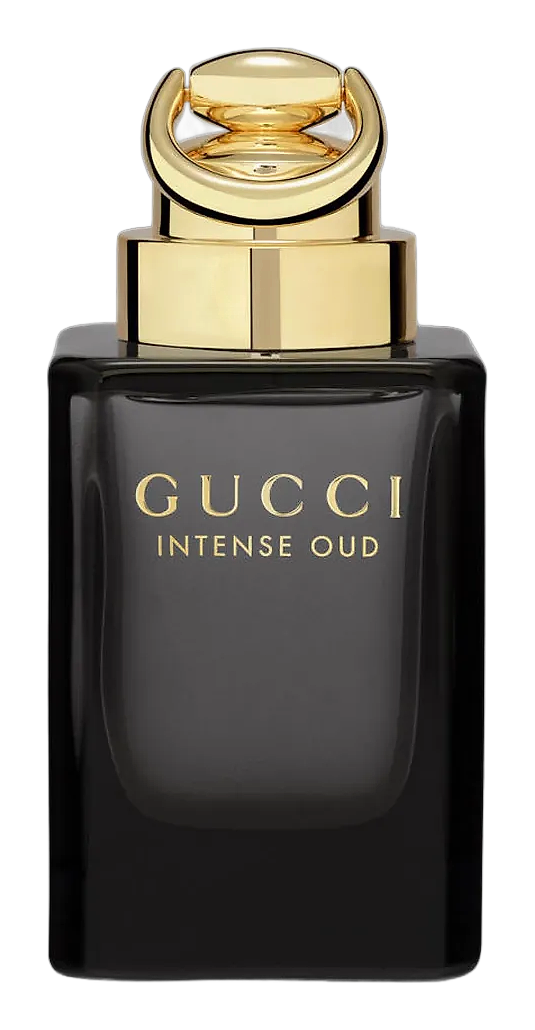
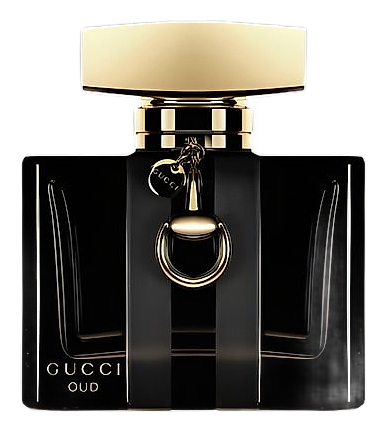
Gucci Oud arrived in 2014 as a continuation of the house's 2007 Gucci by Gucci, a flanker that took the original's oriental ambitions and pushed them into deeper territory. Perfumer Ilias Ermenidis reached for genuine Laos agarwood, a material long associated with depth and desire, and built a composition around its warmth rather than its weight. The brief was clear: oud that speaks Gucci without screaming it.
The Laos oud in the base is the structural decision that matters most. Not a synthetic approximation or a whisper of the real thing, 100% natural essence, present from first spray to final hour. It gives the composition a resinous, almost sticky warmth that synthetic oud cannot replicate. Around it, Bulgarian rose and orange blossom keep the heart feeling lush and wearable rather than austere. The top notes, raspberry, pear, saffron, add a fruity sweetness that reads as modern, grounding the whole thing in the present moment rather than antiquity.
The evolution
The opening hits bright. Raspberry and pear arrive first, sugared and immediate, with saffron threading warmth underneath. Twenty minutes in, the rose emerges. Not shy. Bulgarian. Creamy with orange blossom, sitting heavy in the chest before it gives way to the base. The transition isn't gentle, the oud takes over like a door closing behind you. By the second hour, you're in it. Warm amber, patchouli's earth, and that Laos oud sitting resinous and close against the skin. The drydown is intimate. Not loud. Just there, present on collar, on wrist, faintly on pillow the next morning. Moderate sillage means you're not announcing yourself. But you're not disappearing either.
Cultural impact
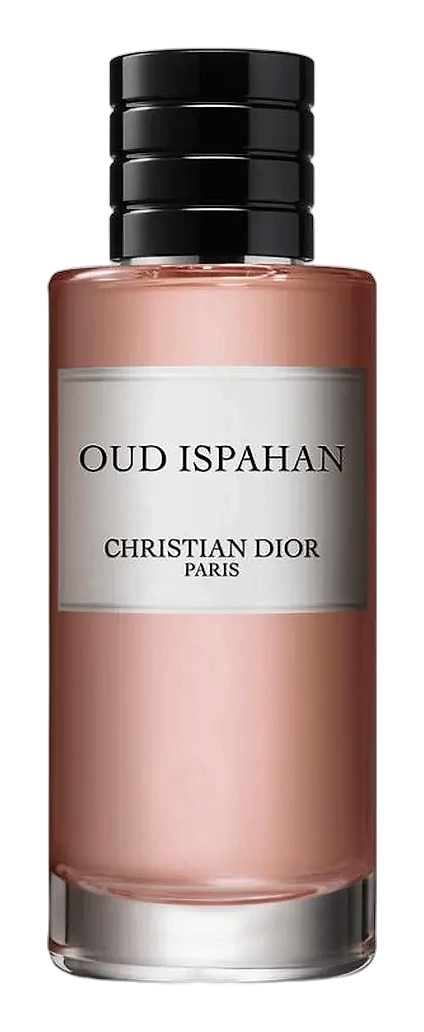
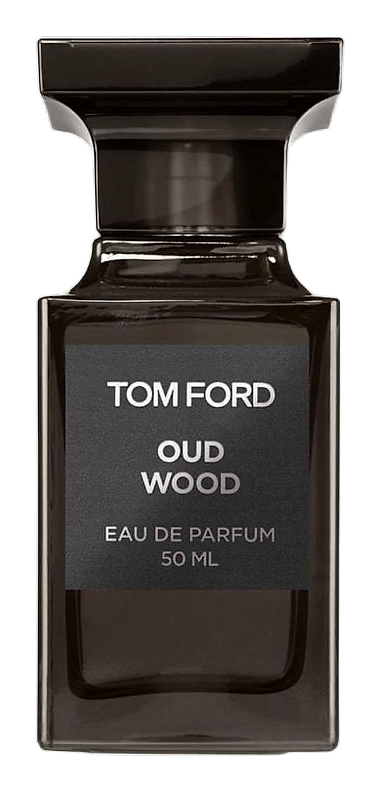
Gucci Oud landed during the peak of Western houses' embrace of oud, a 2014 statement that placed the house firmly in the oriental conversation alongside Tom Ford and Dior. Where some houses approached oud as novelty, Gucci built it into a signature direction, cementing oud as a core pillar of their identity.