
The Story
Why it exists.
The beginning
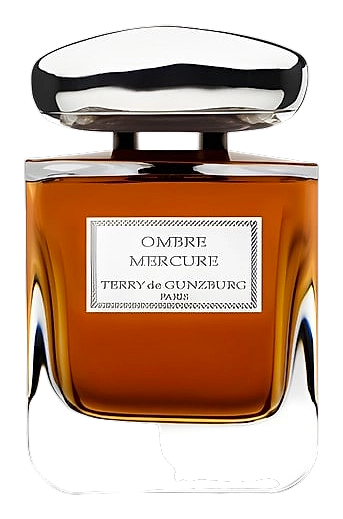
Ombre Mercure arrived in 2012 as the first fragrance from Terry de Gunzburg, the makeup artist who had already changed how the world applied concealer with Touche Éclat back in 1992. The brand had spent fourteen years building a reputation in colour and performance. Then, in 2012, it moved into scent. The brief was visual concept translated into notes: mercury, shadow, transformation. The team at Robertet Grasse, Jacques Fleury, Arthur Le Tourneur d'Ison, Karine Vinchon Spehner, and Sidonie Lancesseur, worked from that concept rather than from a traditional perfume brief. The result was a fragrance built around contrast: cold metal and warm skin, crisp violet and powdery iris.
The heart of this composition is iris, not the cheap synthetic version, but the real orris root that carries a starchy, almost dusty elegance. Violet leaf appears in both the opening and the heart, which creates a continuity: the cold metallic quality that opens the fragrance returns softened in the middle phase, threaded through with ylang-ylang's creamy sweetness. The base settles into benzoin and sandalwood, with vanilla and patchouli adding a warmth that keeps the scent close to the skin rather than projecting outward. What makes Ombre Mercure distinctive is the way the violet leaf doesn't disappear, it persists, creating a through-line from the cold opening to the warm finish.
The evolution
The first twenty minutes are the tell. Violet leaf arrives crisp, almost ozonic, the kind of cold precision that reads as editorial rather than romantic. Then the iris softens the sharpness, and within an hour the composition has shifted into its powdery heart. Orris root dominates here, with ylang-ylang adding a creamy counterpoint that keeps the floral notes from feeling too sweet. The base arrives quietly: benzoin first, then sandalwood's woody warmth, then vanilla and patchouli settling into the skin. The drydown lasts four to six hours on most skin types, though the final hour is intimate, this fragrance doesn't project from a distance as it ages. It becomes something the wearer notices when they move their wrist to check the time.
Cultural impact
Ombre Mercure arrived in 2012 as the first fragrance from a brand known primarily for makeup, marking Terry de Gunzburg's move from colour to olfactory storytelling. The collection it launched alongside, five fragrances including Rêve Opulent and Terryfic Oud, positioned the brand as a perfumery house rather than a cosmetics brand that happened to make scent. For collectors who discovered the line through its makeup heritage, Ombre Mercure offered a powdery, iris-forward alternative to the bolder oud-focused extracts that followed.