
The Story
Why it exists.
The beginning
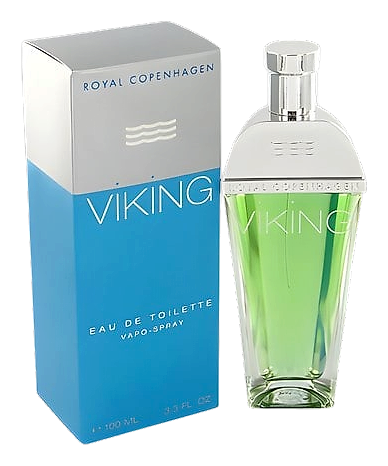
Viking took the name seriously. Not as a historical exercise, but as an emotional one. The Norse seafarers weren't subtle, they crossed open water with conviction, carried cargo from distant shores, and returned with something different than what they left. Royal Copenhagen, a Danish house founded in 1775, understood this kind of quiet ambition. The brief for Viking wasn't 'smell like a stereotype.' It was 'smell like someone who has been somewhere.' The perfumer delivered a fragrance that opens sharp and never fully apologizes for it, citrus-fresh, spice-warm, evergreen-cold at its heart, then settling into something that lasts.
The Balsam Fir and Juniper combination grounds Viking in coniferous forest and Nordic coastline, cold, sharp, unmistakably northern. But the Pineapple in the heart is the unexpected cargo. Tropical sweetness in a maritime fragrance. It doesn't fight the evergreen structure; it softens it just enough to keep the whole thing from feeling like a nature hike. The house calls this approach 'functional elegance', clarity and balance over novelty. Here, that means a fragrance that earns its boldness rather than demanding it. The juniper-to-pineapple hand-off is where most people decide whether they love this or leave it.
The evolution
The opening hits fast: mandarin brightness, cardamom's bite, nutmeg and black pepper building heat underneath. Twenty minutes in, the balsam fir and juniper take over, that cold evergreen note that defines the heart. The lavender arrives next, bridging the sharp opening to the warmer base, but it's the pineapple that complicates things, adding a fruity sweetness that feels out of place for thirty seconds and then settles in like it belongs. The drydown is where Viking earns its reputation. Cedar and sandalwood arrive late, pushing through the oakmoss and patchouli. Amber adds warmth that slowly overtakes the evergreen. Six to eight hours later, the musk and jasmine linger close to the skin, intimate, skin-warm, still recognizable.
Cultural impact
Viking arrived in 1999, a period when men's fragrance was shifting away from the bold 80s powerhouse toward lighter, aquatic-forward compositions. Viking held a different position, unapologetically classic, aromatic fougère structure with real weight. It became a quiet benchmark for men who wanted presence without aggression. The fragrance has maintained a consistent following not through hype but through reliability: the composition performs consistently, aging gracefully without the reformulation controversies that plagued some peers from that era.