The Story
Why it exists.
The beginning
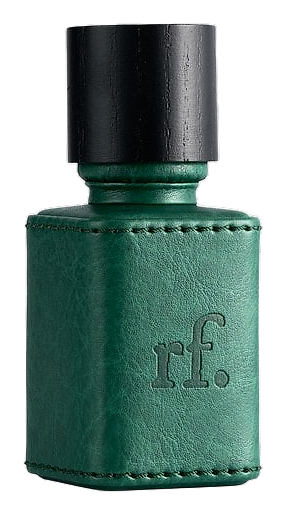
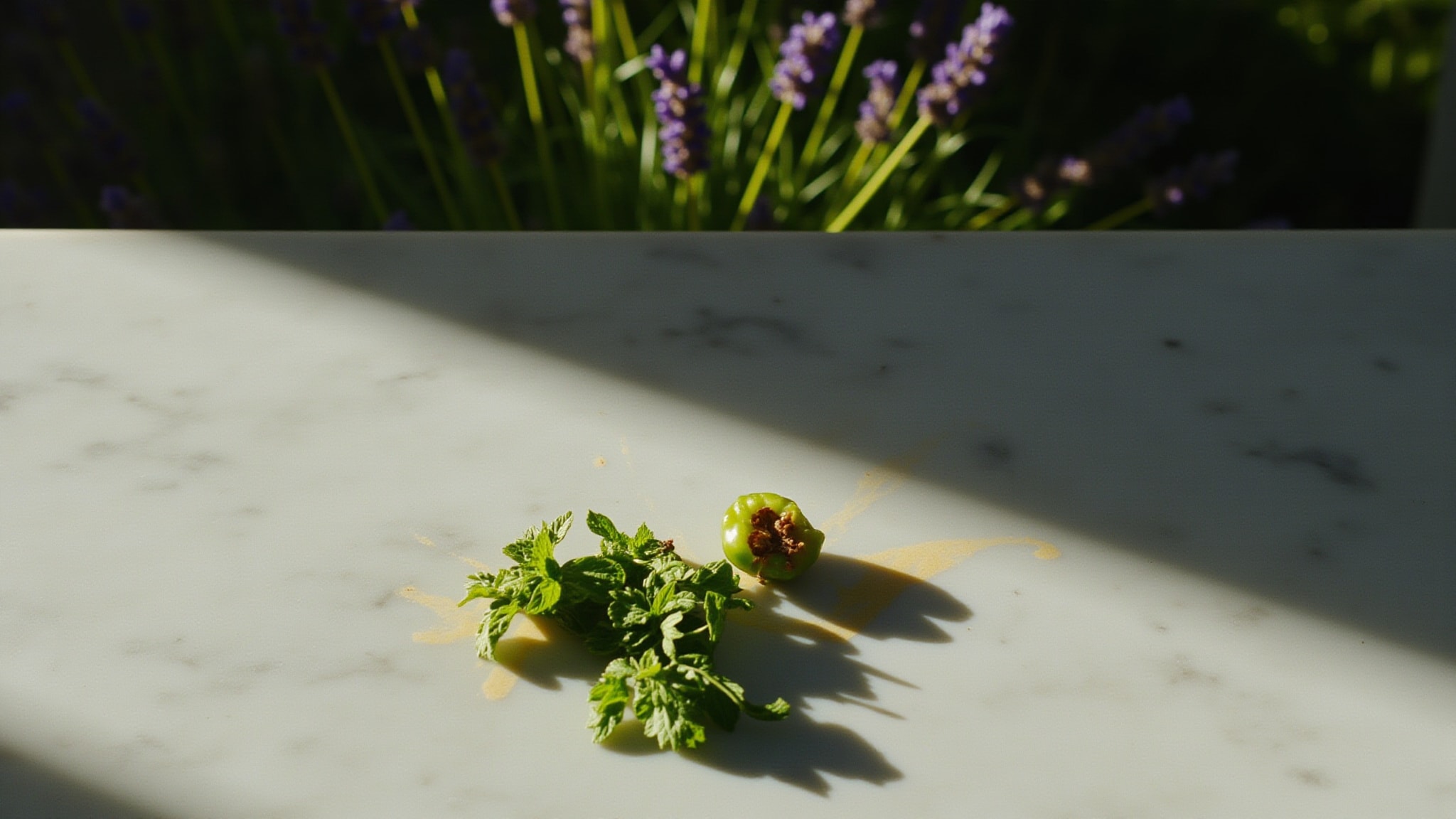
Son of a Mint began with a question Rasei Fort couldn't shake: what happens when lavender stops being polite? The answer lives in a fable the house tells about a rebellious purple-headed plant in the hills of Provence, born into the mint clan but refusing its assigned lane. The perfumer took that story literally, Bulgarian lavender as protagonist, mint as its herbaceous cousin rather than the main event. Turkish heritage meets Provensal imagery. Camphor and tomato leaf set the stage. By the time the drydown arrives, the narrative has shifted entirely: from green garden to something darker, smokier, entirely its own.
What makes the structure work is the counterweight. Lavender wants to soften everything it touches. Mint wants to cool it down. Birch tar refuses both. That smoky, almost rubbery darkness arrives around the hour mark and refuses to let the composition drift into comfort. The vanilla in the base sweetens without rescuing, it sits beneath the smoke rather than replacing it. Black tea in the heart provides something unusual: a tannic quality that keeps the florals honest, prevents jasmine and rose from going romantic. This is an aromatic fragrance that commits to being difficult.
The evolution
The opening doesn't ease you in. Camphor hits first, cold and clinical, followed immediately by crushed tomato leaf, that green, almost industrial bite of broken stems. The Bulgarian lavender arrives within minutes, but it's fighting through the herb wall: clary sage, oregano, rosemary all competing for attention. The mint, when it finally surfaces, feels earned rather than announced. Around the hour mark, the composition shifts. Birch tar arrives like smoke from a distance, dark, almost rubbery, impossible to ignore. The floral heart of jasmine and rose hasn't disappeared; it's been pushed further back, appearing only when the smoke allows. By the third hour, the drydown asserts itself. Benzoin and vanilla create a warmth that doesn't soften the smoke, it lives alongside it, two materials that should fight but instead become inseparable. Cedarwood and labdanum keep the base grounded in something woody, almost resinous. On skin, the sillage moderates from strong to intimate around hour four.
Cultural impact
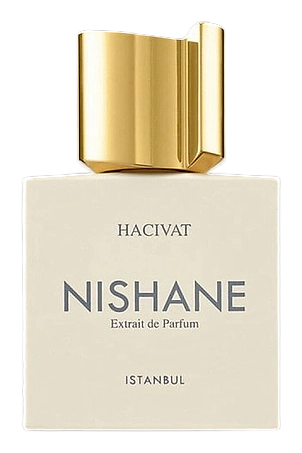
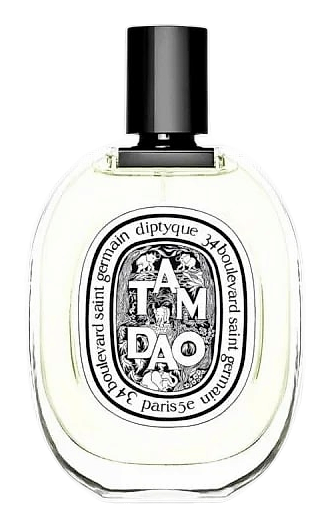
Rasei Fort occupies a specific corner of the indie landscape: aromatic green fragrances that don't apologize for their density. Son of a Mint joins a lineage of herbal explorations, Annick Goutal's Eau d'Hadrien, L'Artisan Parfumeur's Voleur de Roses, but pushes further into unconventional combinations and bolder aromatic profiles. The tension here is real: mint and lavender shouldn't coexist this easily. The camphor and birch tar provide the structural answer. Wearers describe it as the scent of someone who walks into a room and doesn't announce themselves, the smoke does the work instead.