
The Story
Why it exists.
The beginning
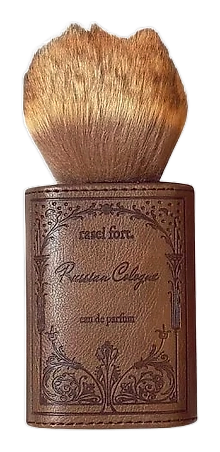
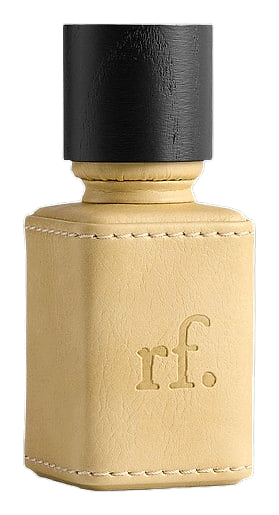
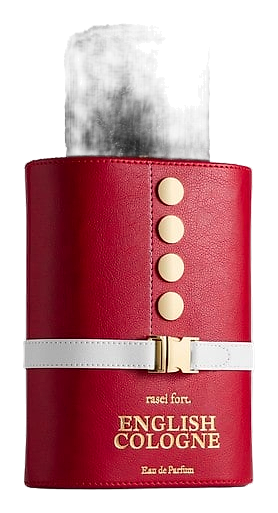
English Cologne arrived in 2025 as a collision between two aromatic traditions: the brisk, astringent clarity of a traditional cologne and the dense, resinous warmth of Middle Eastern perfumery. Rasei Fort designed it around a specific image, the ceremonial guard, standing motionless in heavy wool, sweat forming beneath the surface. That tension between discipline and heat lives in the bottle. The Omani oils in the base aren't decorative; they're structural. They give weight to what could have been another citrus exercise.
The note structure is unusual for a fragrance called 'English Cologne.' Where most colognes peak in the opening and fade fast, this one delays. The eucalyptus and orange blossom arrive clean and brisk, but the spices, clove, nutmeg, cinnamon, accumulate slowly in the heart. By the time black tea and birch tar arrive, the composition has shifted from fresh to fumed. The civet doesn't announce itself; it underwrites the entire base, making the drydown read as warm skin rather than perfume. Five hundred and fifty-five bottles were made.
The evolution
The opening hits bright and green, eucalyptus first, then the orange blossom unfolds like a blossom actually opening, petal by petal. Blackcurrant sits underneath, adding a dark berry tartness that keeps the citrus from going sharp. Thirty minutes in, the spices take over. Clove leads, not shy, with nutmeg and cinnamon stacking behind it. The black tea arrives like smoke from a distance, not BBQ smoke, but the smell of a room where someone has been burning something herbal. Lavender and jasmine appear briefly, floral and almost medicinal. Then the tobacco. The birch tar. The drydown is where English Cologne earns its name: amber, cedar, oakmoss, and that civet, which doesn't smell dirty so much as alive. On skin, expect 5-6 hours. On fabric, longer, the cedar and vetiver will hold for a full day.
Cultural impact
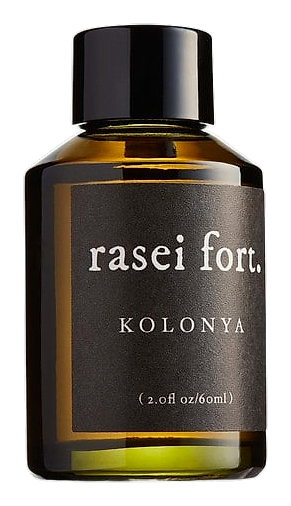
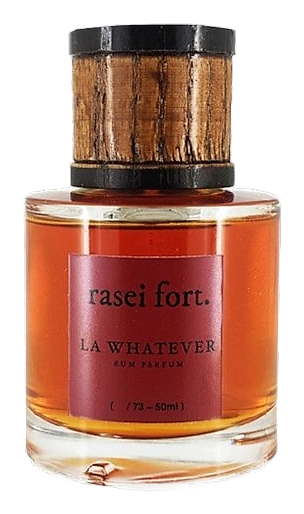
English Cologne joins a growing catalog from Rasei Fort that includes Kolonya (2018), La Whatever (2020), and Reina Del Mar (2024). The house has built its reputation on limited runs and transparent sourcing, ingredients appear on each label with certificates of origin. This fragrance appeals to collectors who want olfactory research rather than mass-market accessibility.