
The Story
Why it exists.
The beginning
Russian Easter Lily arrived in 1938, a moment that placed it within Prince Matchabelli's growing catalog of fragrances. The house had already established a reputation for compositions that leaned devotional in mood, and Russian Easter Lily continued that thread, a lily-white sweetness meant to evoke the sacred calendar of Eastern Orthodox Easter. The name points directly to the tradition the name carries, where Easter lilies hold a central place in springtime worship and celebration. The composition itself trades heavy incense for something more domestic and tender, the kind of scent designed to feel like a memory, a holiday conjured in glass. The fragrance opens with a soft, enveloping sweetness that recalls confection rather than fresh air, a sugary edge wrapped around the floral heart.
What makes the composition distinctive is the way it fuses gourmand sweetness with white-floral character. Sweet and spicy accords anchor it firmly in the gourmand category, but the powdery and creamy dimensions keep it from reading as confection. That balance is harder to achieve than it looks, the difference between a fragrance that smells like a bakery and one that smells like a woman who has just stepped away from a vanity. The vanilla accord runs dense rather than thin, lending a syrupy warmth that cushions the lily and prevents it from going green or sharp.
The evolution
The first half hour reads as a white floral announcement. Lily arrives front and center, cushioned by what feels like a dense vanilla accord and a thread of warm spice that grounds the bloom before it can go delicate. That opening has a candied quality, the lily wearing sugar like a stole, each note announcing itself with confidence and clarity. The sweetness isn't shy, it has a generous, almost edible richness that makes the floral feel more like a confection than a garden. By the second hour, the spice steps forward, and the lily softens into something more like a face powder than a fresh-cut stem. The transition is the kind of shift that happens without the wearer noticing unless they pay close attention, a gradual handoff between accords rather than a sudden change.
Cultural impact
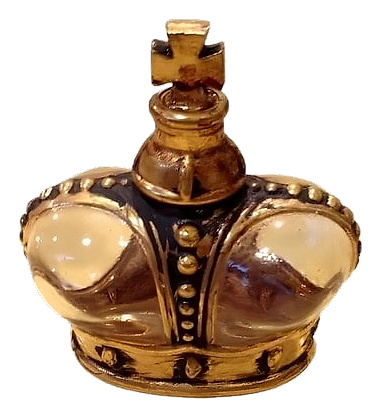
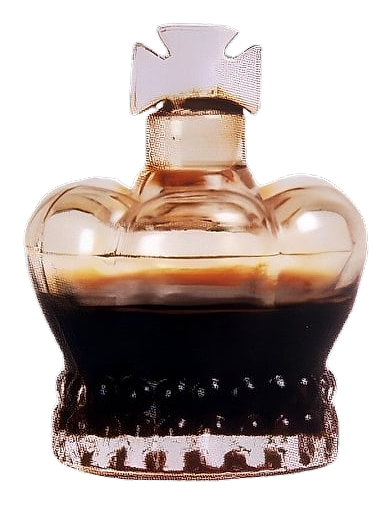
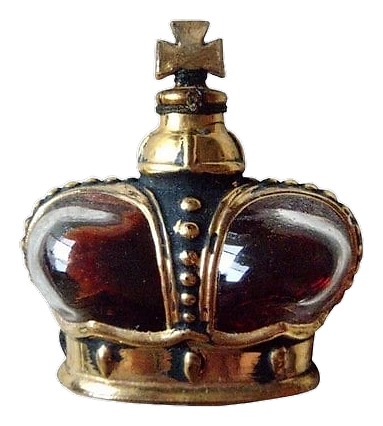
Russian Easter Lily belongs to a category of devotional florals and kitchen-warm gourmands meant for the vanity table rather than the opera hall. Discontinued for decades, it now survives in vintage bottles that collectors prize precisely because the original formula remains intact. The fragrance carries a particular nostalgia for women who remember it from mothers' and grandmothers' dressing tables, a sweet-powdery profile that has become shorthand for a certain kind of mid-century American femininity.