
The Story
Why it exists.
The beginning
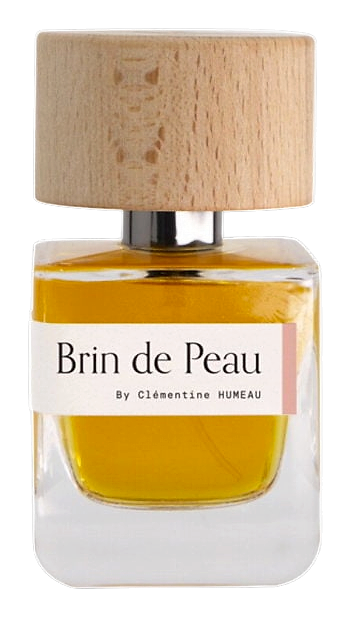
Clémentine Humeau built Brin de Peau around a single image: tall grass, coumarin-heavy, bending under quiet footsteps. Launched in 2020 under Parfumeurs du Monde's all-natural mandate, it arrives as a space between two sensations: the green-cool smell of a blade of grass split between your fingers, and the warm, spiced, almost carnal smell of skin after hours of walking. Humeau's composition is 100% botanical, every molecule pulled from a plant, seed, or resin, which shapes the entire arc of the fragrance. The natural-only restriction means the perfumer has to work with what the plant world offers, coaxing depth and persistence from raw materials rather than leaning on synthetic boosters.
The unusual choice here is liatris spicata, a botanical that brings a coumarin-leaning softness bridging the hay and the sweet vernal grass in the base, giving the drydown its meadow-dried-in-sun character. Its grassy, slightly sweet quality adds a layer that feels both wild and composed, anchoring the greener top notes to the warmer foundation below. Turmeric in the opening does complementary work, adding a dry, slightly bitter warmth that keeps the almond and ambrette from tipping too far into sweetness.
The evolution
The first 30 minutes are green and tactile. Bergamot lifts briefly, then turmeric and almond settle into a spiced warmth, with the turmeric's dry bitterness threading through the almond's softer sweetness. The coumarin note from liatris and sweet vernal grass arrives early and stays, threading through everything that follows and giving the whole composition a soft, hay-like undertone from the start. By the two-hour mark, the mimosa has come forward, powdery and yellow, with jasmine adding a faint indolic sweetness underneath that keeps the florals from feeling too clean or soapy. Cedar keeps it from getting too soft, its woody dryness providing a structural backbone that holds the sweeter elements in check.
Cultural impact
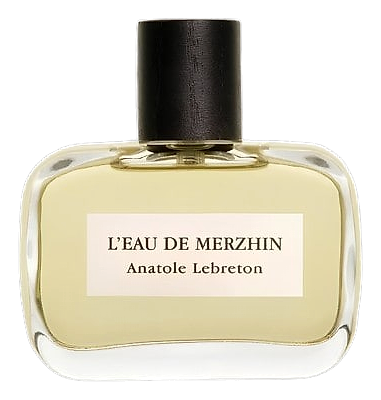
Brin de Peau sits in a small category of natural fragrances that manage to read as composed rather than merely plant-forward. The composition demonstrates that botanical-only construction can produce something layered and intentional, not just a simple herbal mix or a straightforward soliflore. It draws comparisons to Lush's The Smell of Weather Turning and Anatole Lebreton's L'Eau de Merzhin, both green-grass, coumarin-heavy compositions that share Brin de Peau's pastoral sensibility and its commitment to working within natural material constraints.