The Story
Why it exists.
The beginning
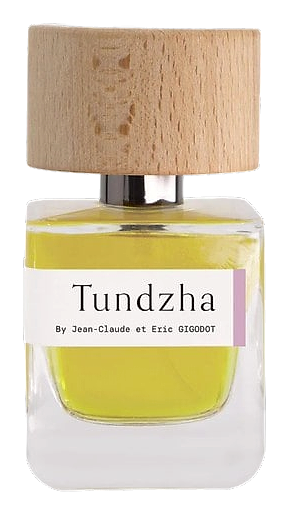
Tundzha centers on Rosa damascena, the Bulgarian damask rose that has long been prized in fine perfumery. The fragrance builds around a natural rose that carries both sweetness and an unexpected edge, refusing to be merely decorative or polite. The floral-fruity-woody composition traces the full arc of what natural materials can do when given room to breathe and speak for themselves. Tundzha presents botanical perfumery as something vital and immediate, with a structure that feels rooted in the qualities of the rose itself while remaining alive and present, never becoming a museum piece or precious artifact. The rose takes center stage, supported by fruity warmth and woody depth that give the fragrance movement and dimension.
The note pyramid tells you this is a rose fragrance. What it doesn't tell you is how that rose is built to last. Ylang-ylang anchors the damask rose from the inside out, adding a tropical creaminess that prevents the heart from going transparent. The frankincense in the base doesn't announce itself early, it waits until the fruity sweetness fades, then arrives as a quiet smoke, like incense left burning in an empty room. Elemi resin is the lesser-known material here: citrusy and balsamic, it acts as a bridge between the bright opening and the deep drydown, keeping the transition from feeling mechanical.
The evolution
The opening arrives crisp and purposeful. Grapefruit cuts first, followed by mandarin's sunny brightness. Lavender sits beneath it all, keeping the citrus honest and grounded with something herbal and slightly medicinal. Blackcurrant and peach arrive next, not as a jammy sweetness but as a cool, fruity undertone that gives the rose something to lean against when it finally appears. The heart belongs to the Bulgarian damask rose, but it doesn't arrive alone. Geranium gives it a green, almost camphorated edge that keeps the floral from going soft, while ylang-ylang adds tropical warmth, a hint of cream that bridges the gap between the bright opening and the resinous base. Together they push the rose into territory that feels less like a conventional floral and more like a working garden. The drydown is where patience pays off.
Cultural impact
Tundzha finds itself in conversation with a long tradition of Bulgarian rose compositions, though its grapefruit and smoky drydown give it a character that feels contemporary rather than heritage-forward. The rose-forward structure honors the qualities that have made damask rose prized in fine perfumery, while the surrounding notes keep it from feeling like a recreation of something past. The fragrance appeals to those drawn to botanical integrity, offering a rose that carries weight and presence without fragility. It's a composition for someone who values what natural materials bring when given room to develop on their own terms.