The Story
Why it exists.
The beginning
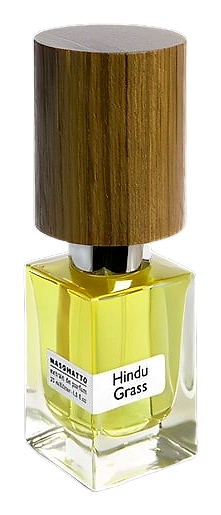
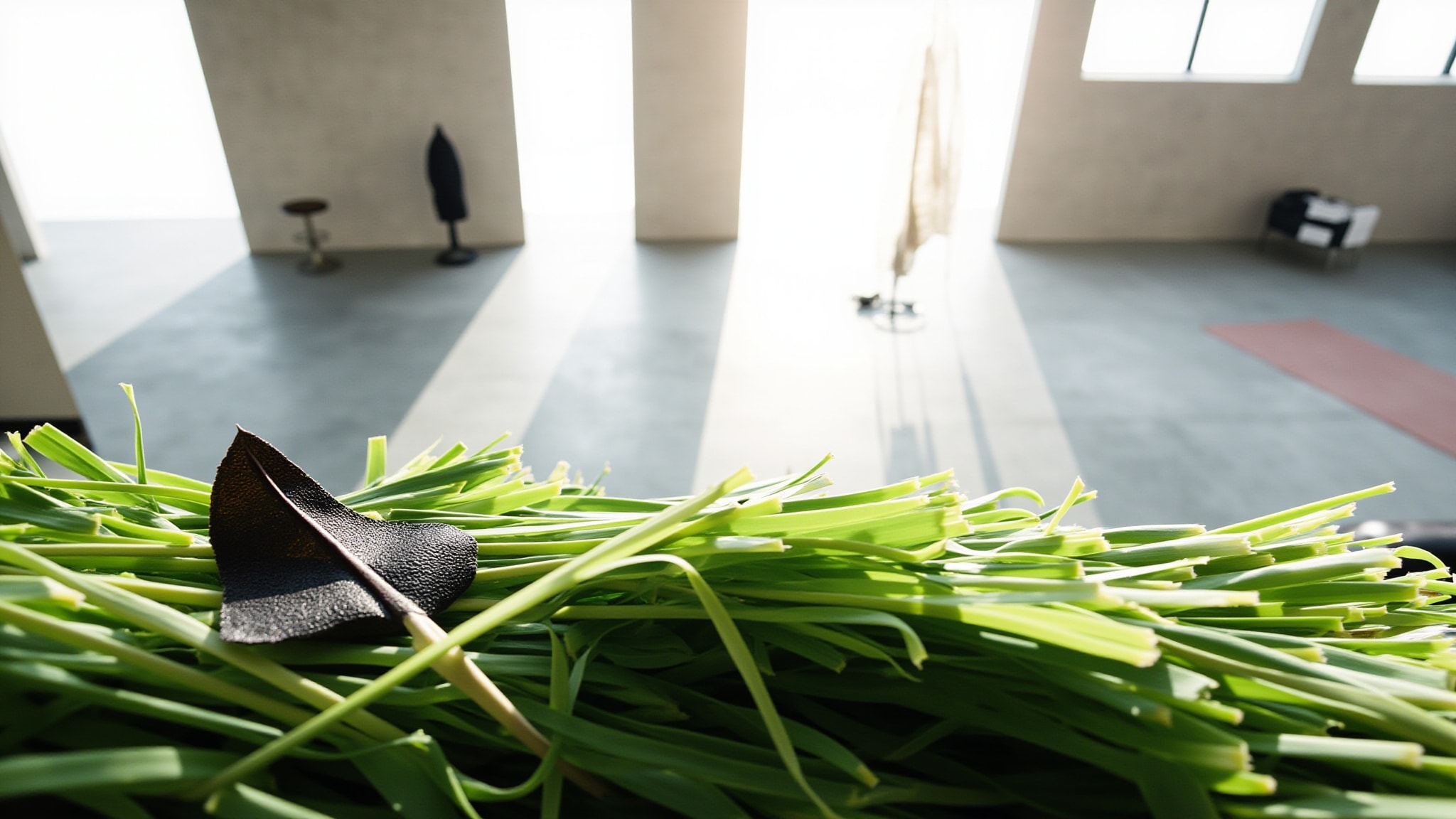
Hindu Grass arrived in 2008 as part of Alessandro Gualtieri's broader project at Nasomatto, reimagining fragrance as something that doesn't follow the expected logic of the market. The name points somewhere specific: the landscapes of India, where patchouli has been cultivated and used for centuries, where grass grows thick and green under monsoon skies. Gualtieri was working toward something the brand described as a quest for the warm affection of humanity, a fragrance that could carry that kind of intention without becoming sentimental or soft. The green notes and grass in the composition aren't decorative. They're the smell of a place, translated into something wearable.
What makes Hindu Grass distinctive is the camphorated patchouli. This isn't the dirty, skatole-heavy hippie stereotype that patchouli became associated with in the West. The camphor creates a coolness, an almost medicinal cleanliness that keeps the earthiness from becoming heavy. Tobacco adds a different kind of warmth, quieter than you'd expect, more herbal than sweet. The combination creates something that smells meditative rather than musky. Green and cool at the opening, earthy and grounded at the drydown, with the intimacy of the Extrait concentration keeping everything close to the skin rather than filling a room.
The evolution
The opening is the signature: camphorated patchouli meets fresh-cut grass, a bright green shock that reads clean and alive. It lasts longer than most green openings, thirty minutes before the tobacco begins to assert itself, threading through the green like a quiet conversation. The heart settles into patchouli and tobacco together, the camphor fading slightly as the earthiness deepens. This is where it becomes meditative. The patchouli doesn't project, it breathes. Close to the skin, present without demanding attention. The drydown is where it earns its name: damp soil, hay, the green accord finally resolving into something that smells like earth after rain. On fabric, it can last into the next day. On skin, plan for 8-10 hours of quiet presence.
Cultural impact
Discontinued now, Hindu Grass has become something of a collector's item among niche fragrance enthusiasts. The camphorated patchouli approach influenced how subsequent houses handled earthy notes, showing that patchouli could be cool and meditative rather than heavy and polarizing. It's the fragrance people reference when they want to explain what Nasomatto means by pushing boundaries.