Liatris spicata
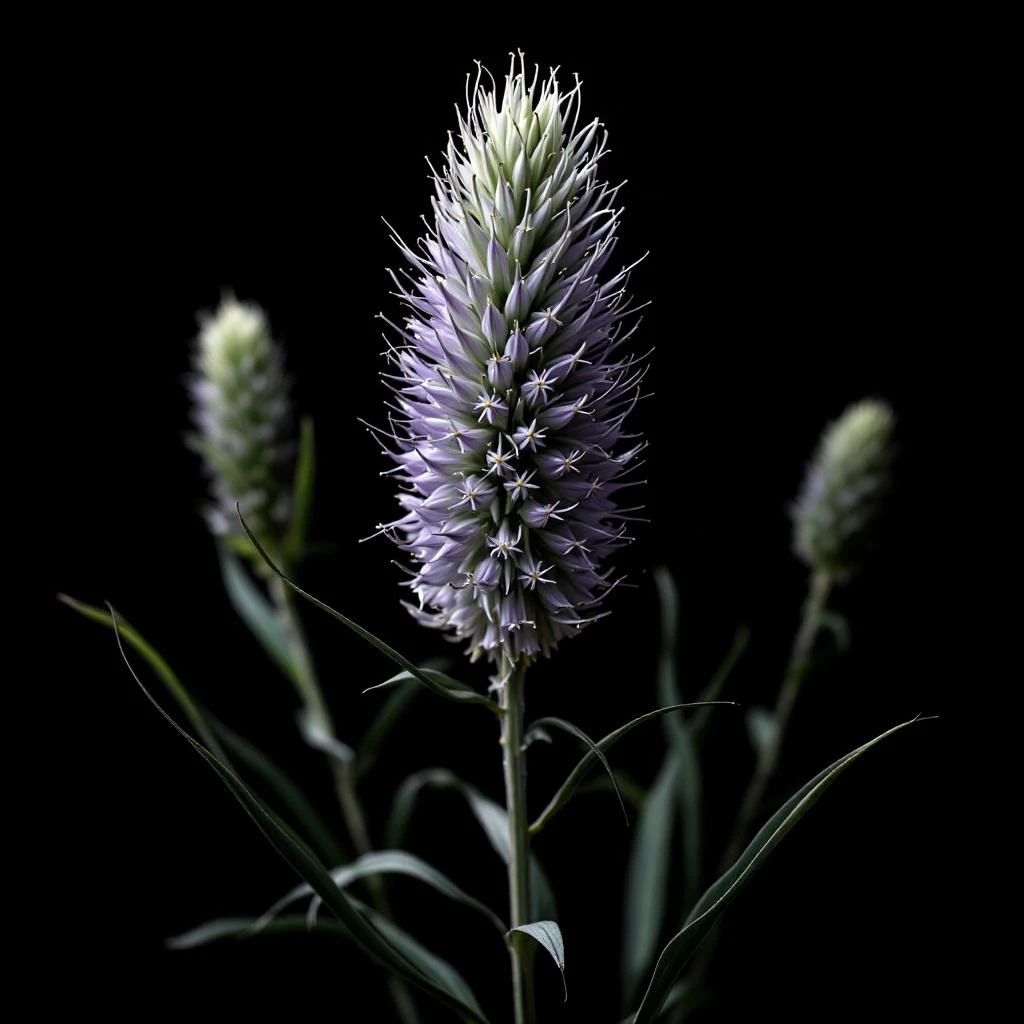
Liatris spicata, known as blazing star, offers a crisp, green‑spicy aroma that recalls sun‑kissed prairie grasses, fresh cut hay, and a whisper of violet leaf. Its bright profile lifts accords with a natural, uplifting edge, making it a distinctive note in modern compositions.
Character
How it smells
Prairie’s green spark in a bottle.
When harvested at peak bloom, Liatris spikes contain up to 0.3 % volatile oils, enough to yield a single drop of absolute from a handful of flowers.








Origin
United States
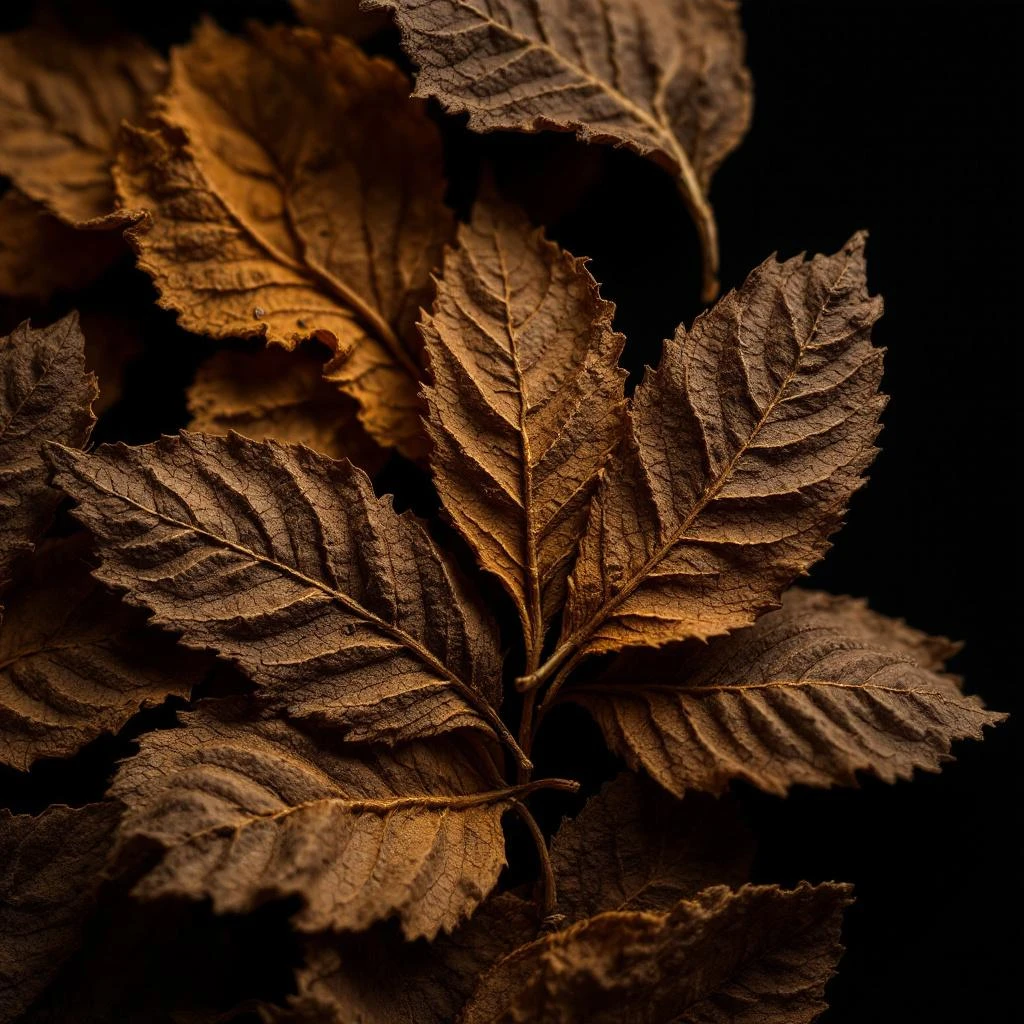
Indigenous peoples of the North American plains have used Liatris spicata for centuries, drying the stalks for incense and medicinal teas. Early botanical explorers recorded the plant in the 1800s, noting its striking purple spikes and aromatic foliage. By the early 20th century, French horticulturists introduced the species to European gardens, where it attracted the attention of perfumers seeking new green notes.
In 1912, a French perfume house listed the first Liatris absolute in its catalogue, marking the plant’s entry into the fragrance world. Over the decades, the note has resurfaced in niche compositions that celebrate wild‑flower landscapes and sustainable sourcing.
Wears it best
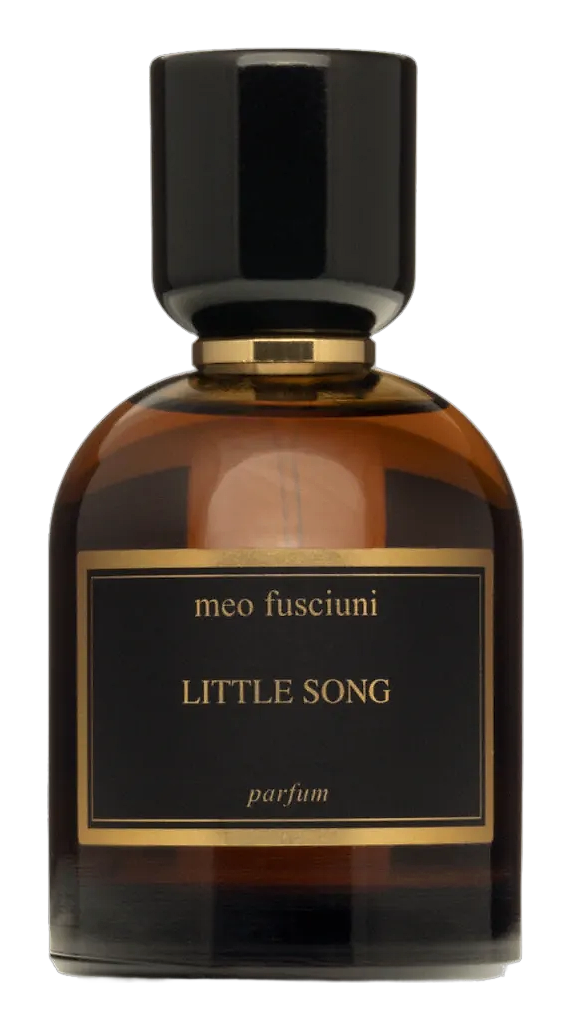
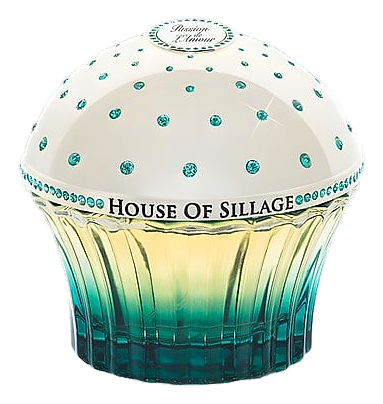
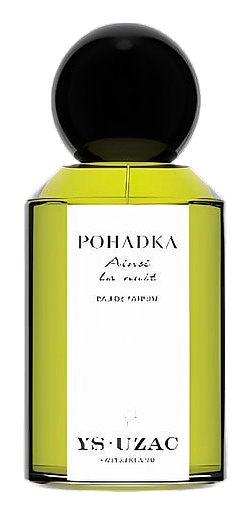
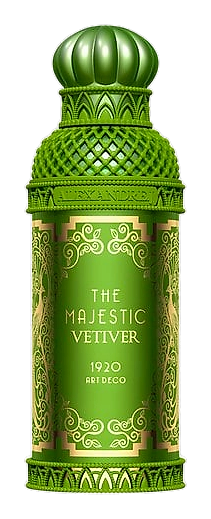
Fragrances featuring Liatris spicata
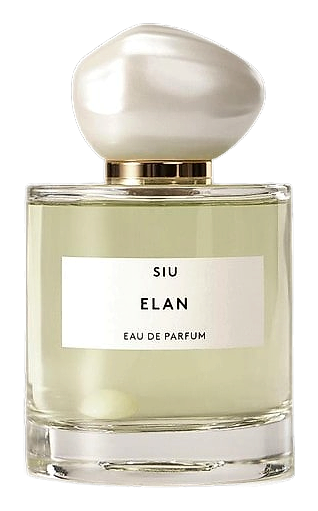
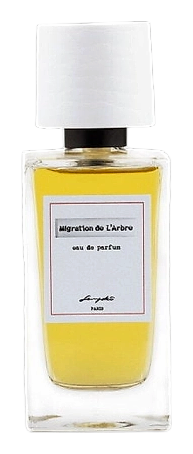
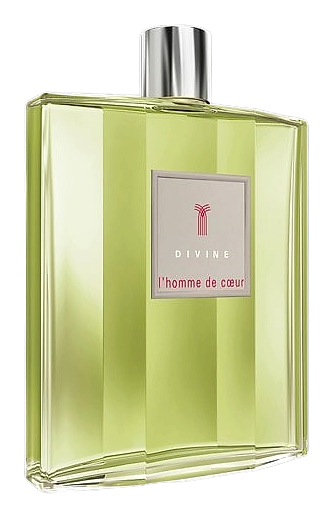
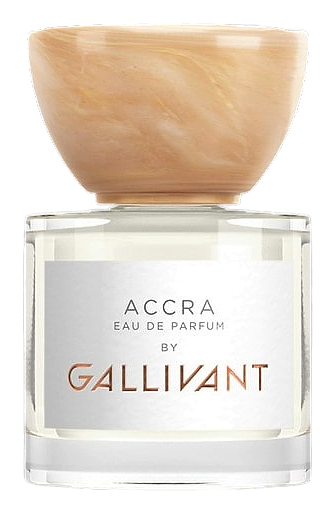
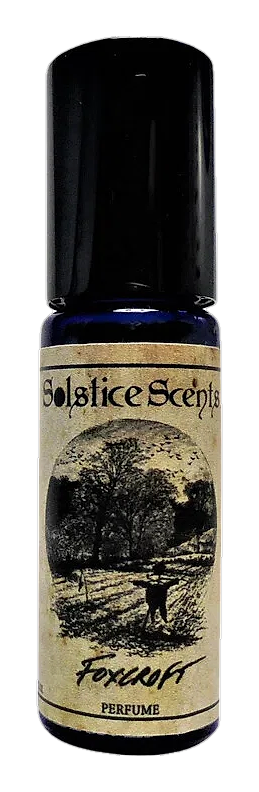
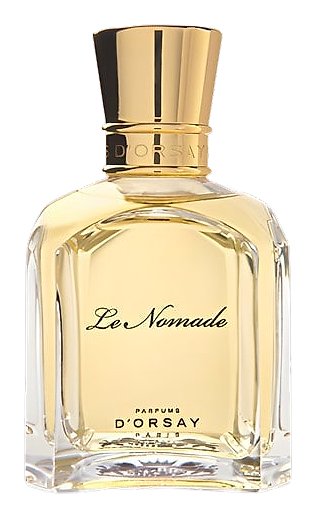
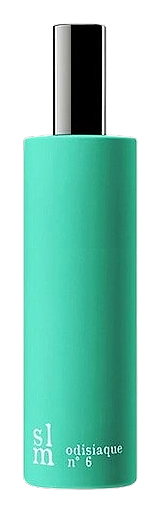
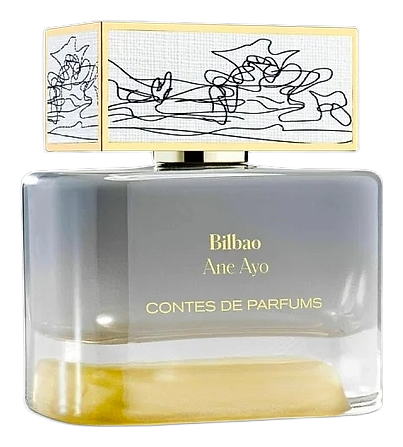
Brands
Brands known for Liatris spicata
Good to know
Questions, answered
The essentials on Liatris spicata in perfumery: how it smells, where it comes from, and how it behaves on skin.
What scent profile does Liatris spicata provide?
Liatris spicata delivers a crisp, green‑spicy aroma with hints of fresh hay and violet leaf. A 2021 analytical study measured its dominant compounds as linalool and β‑caryophyllene, accounting for the bright, herbaceous character.
Where is Liatris spicata primarily harvested?
Liatris spicata is harvested in the central United States, especially Kansas and Nebraska. In 2022, Kansas reported a 15 % increase in cultivated acreage for fragrance production, confirming its status as the main source.
Is the Liatris absolute stable on the skin?
The absolute remains stable for up to 18 months when stored in cool, dark conditions. Laboratory tests in 2020 showed less than 5 % degradation of its key volatiles after six months at 20 °C.
Can Liatris spicata cause allergic reactions?
Liatris is generally low‑risk, but patch‑test data from 2019 recorded a 0.2 % incidence of mild skin irritation among volunteers. The study noted that reactions were linked to high concentration applications.
How is the absolute extracted from the plant?
Extractors use supercritical CO₂ to pull fragrant molecules from dried spikes. The process runs at 80 bar and 35 °C, preserving heat‑sensitive notes while yielding a clear, viscous absolute.
What typical perfume families incorporate Liatris spicata?
Green, aromatic, and woody compositions often feature Liatris for its fresh edge. A 2023 market analysis listed it in 12 % of niche green‑floral releases that year.
Does Liatris spicata have any therapeutic properties?
Traditional use cites mild anti‑inflammatory effects when brewed as a tea. A 2018 phytochemical review identified flavonoids that inhibit COX‑2 enzymes by 18 % in vitro.
Is the sourcing of Liatris spicata sustainable?
Wild harvest follows a rotational schedule that leaves at least 30 % of the stand untouched each season. The 2021 sustainability report from a major supplier confirmed a 95 % regeneration rate after two years.