The Story
Why it exists.
The beginning
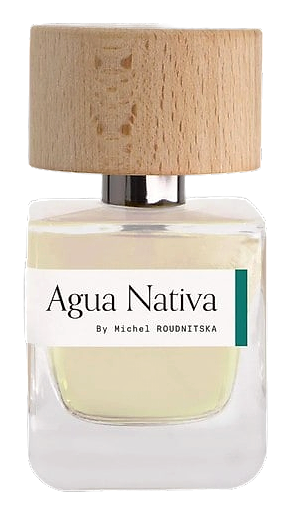
Michel Roudnitska built Agua Nativa around a single conviction: that the Amazonian forest carries something ancient enough to teach the modern nose. Inspired by the Shipibo tribe of Peru, whose healers use sacred plants in ceremonial practice, Roudnitska translated that ritualistic energy into scent, not as metaphor, but as function. The fragrance was designed as a ceremonial perfume, intended to accompany the wearer through moments that require intention. It is 100% natural, every note drawn from botanical sources, because anything less would betray the forest it honors.
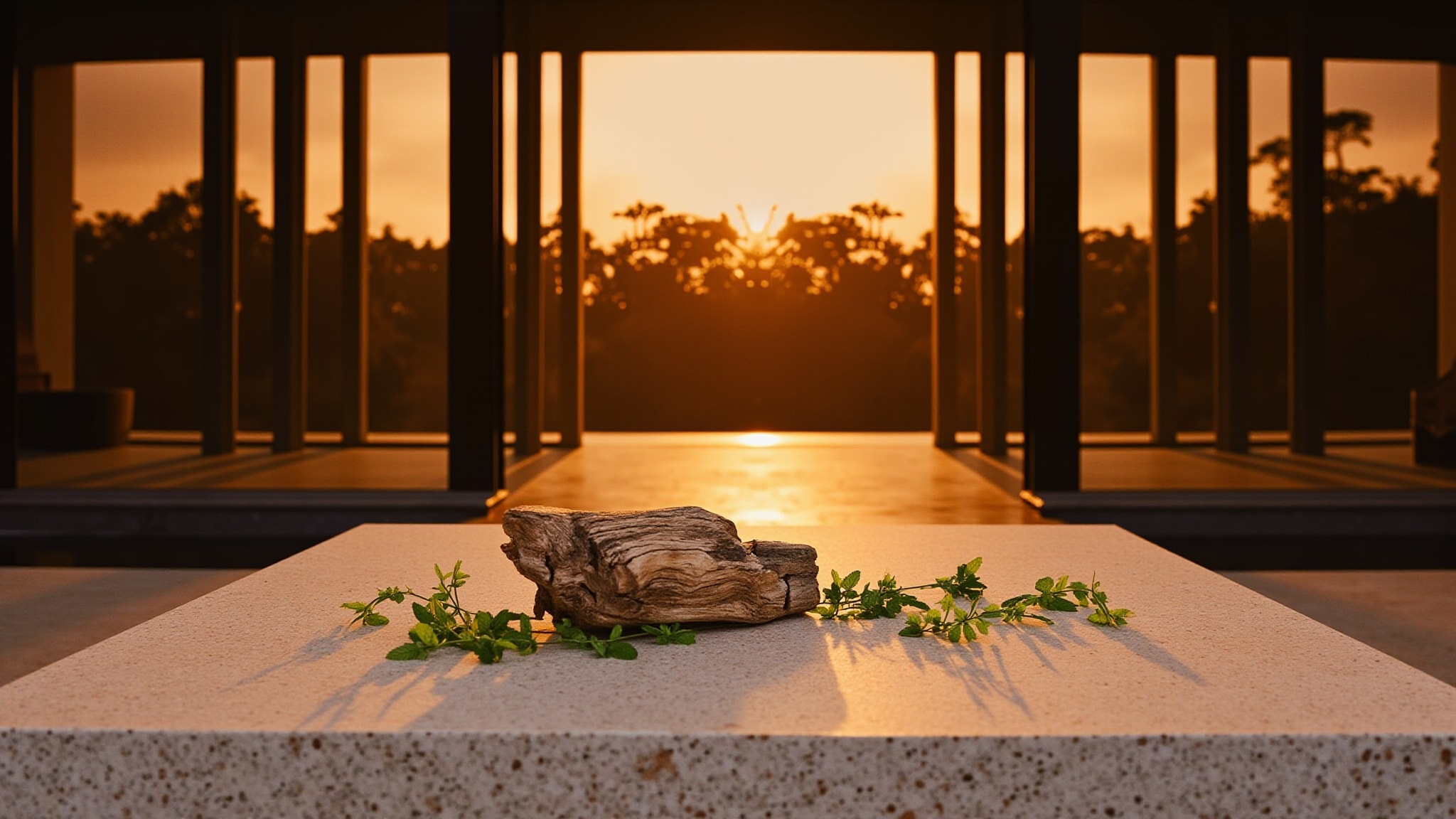
What makes this composition unusual is the architecture of its contradictions. Mint and basil open with a clarity that feels almost clinical, clean, precise, immediately clarifying. But underneath, ylang-ylang provides a creamy counterweight that keeps the brightness from becoming cold. The heart then pivots hard into warmth: clove, cinnamon, and chili pepper arrive not as accessories but as the structural core. Palo Santo, the sacred wood of the Amazon, doesn't appear until the drydown, arriving late and staying longest, which mirrors its role in Shipibo ritual: the wood is burned last, after the plants have done their work, to seal the ceremony.
The evolution
The opening hits fast. Mint cuts through with the kind of clarity that feels intentional, not accidental freshness but a deliberate first word. Basil follows within minutes, green and slightly anise-laced, while grapefruit and orange keep the citrus present but restrained. Ylang-ylang appears here too, a whisper of tropical cream that prevents the opening from reading as cleaning product. Around the 20-minute mark, the handoff begins. Clove emerges first, then cinnamon, a warm, spiced current that pushes through the green like sunlight through canopy. Chili pepper provides the heat memory, the sensation of warmth on skin rather than on tongue. The geranium threads green floral through the spice, keeping the heart from becoming purely warm. Palo Santo is the turning point. This is where the fragrance changes register entirely, from bright and clarifying to moist and grounded. Reviewers consistently describe this phase as the fragrance's true identity, the moment when the shamanic inspiration becomes legible.
Cultural impact
Agua Nativa occupies a specific corner of the natural perfume world: the ritual-oriented botanical. It is not trying to compete with synthetic powerhouse fragrances on projection or longevity metrics. Instead, it speaks to a wearer who considers the sourcing, theShipibo inspiration, and the botanical integrity as inseparable from the experience. In the niche natural fragrance community, Palo Santo-focused compositions have gained momentum, driven partly by the material's spiritual associations and partly by its distinctive creamy-woody character, which differs noticeably from more common woods. Agua Nativa is among the more committed expressions of this trend, using the wood as its structural anchor rather than an accent.