Clémentine Humeau
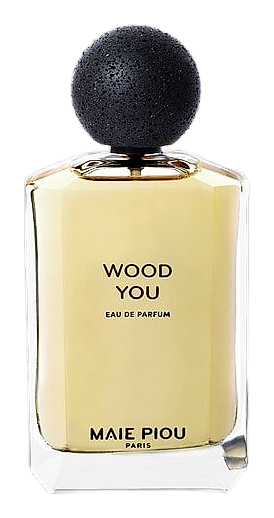
Clémentine Humeau grew up in Manosque, Provence, surrounded by the kind of sensory richness that shapes a nose for life. Her grandfather, Gabriel Humeau, held a prominent position in the international aromatics community, threading industry knowledge through the family bloodline. This heritage pushed her toward formal training in Grasse, where she mastered the classical disciplines before carving her own path. She founded Les Olfactines, her creation studio, and built a practice rooted in natural raw materials and sustainable methodology. A notable collaboration with Patty Canac on the Dilli House project produced a water-based, fully natural fragrance made in Grasse, a technical challenge that revealed her willingness to push beyond convention. Her work with Maie Piou introduced wider audiences to her uncompromising approach. Humeau does not simply follow trends; she constructs her compositions from memory, travel, and sound, treating each fragrance as a personal document as much as a commercial object.
The hits
Notable creations










The signature
How Clémentine composes
Humeau works primarily with natural raw materials, favoring depth and texture over synthetic brightness. She has developed particular expertise with leather notes and oud, translating these into contemporary contexts with surprising restraint. Her use of unexpected ingredients like banana demonstrates a playful irreverence tempered by technical precision. Each creation tends to carry a tactile quality, as if the fragrance itself has weight and surface. Her Grasse-trained sensibility expresses itself through classical structure married to a distinctly modern boldness.
Philosophy
What drives Clémentine
Humeau believes perfume should anchor itself in lived experience rather than abstract concepts. She draws from musical inspiration, travel diaries, and the specific atmosphere of places like the pilgrim route to Compostela to develop her formulas. Her compositions tend to evolve through layers of meaning, inviting wearers to locate their own memories within the structure. She champions transparency in materials and sustainability as ethical imperatives, not marketing language. The nose, in her view, is a cultivated instrument that requires patience, curiosity, and a willingness to interrogate familiar materials from fresh angles.
The houses
Maisons Clémentine composes for
In the same league