The Story
Why it exists.
The beginning
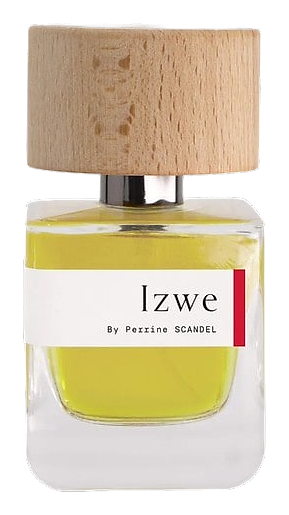
Izwe, launched in 2016, takes its name from the Zulu word for "the land", not a country, not a border, but the place itself. Perfumer Perrine Scandel composed it for Parfumeurs du Monde, the French house built around botanical-only perfumery. The brief was elemental: bottle the smell of ancestral ground. Rural villages alongside modern cities. Earth baked by the sun meeting bright citrus. Open plains carrying the resinous weight of sandalwood and patchouli. Buchu, the South African shrub, anchors the composition to its geographic source with a herbal-fruity character that immediately recalls its origin. The result reads as a portrait of place rather than a perfumer's fantasy of it.
What makes Izwe distinctive is its allegiance to the raw material. Parfumeurs du Monde works exclusively with botanical extracts, essential oils, and absolutes, so every note arrives as a natural material rather than a constructed approximation. That philosophy shapes how the composition behaves on skin. Buchu reads less like a generic herbal accent and more like the actual leaf with its slightly sharp, leafy-tart character. Davana, sage, and amyris build the heart with dried-herb warmth, each pulling toward a different facet of that register.
The evolution
The first twenty minutes are bright and almost jarring: grapefruit zest and bitter almond, sharp enough to cut through any room. Buchu arrives fast, carrying that distinctive herbal-fruity snap, and for a while the whole composition reads green and slightly bitter, like chewing on a stem. Then something warmer takes over. Sage and jasmine settle into the middle phase, and the jasmine here doesn't go soapy or indolic, it just adds a bruised sweetness underneath the herbs. Blackcurrant bridges to the base. The drydown is where Izwe earns its reputation: patchouli and labdanum arrive without rushing, building a warm, slightly smoky foundation that smells like sun-warmed clay. Tuberose creeps in quietly, adding a creamy fullness that prevents the base from going too dry.
Cultural impact
Izwe occupies a specific position in contemporary niche perfumery, one where botanical purity functions as a creative principle rather than a checkbox on a label. The fragrance treats its materials with a kind of editorial seriousness, treating each note as a sentence in a longer piece of writing rather than a marketing bullet point. The wearers who gravitate toward it tend to notice transitions between phases and pay attention to how a composition changes through a full day of wear. The construction rewards that attention. There's nothing performative about how the scent presents itself.