

The Story
Why it exists.
The beginning
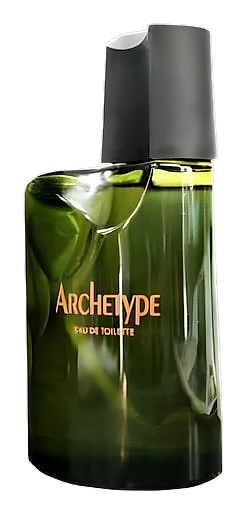
Archetype arrived from Parera in 1982. The name suggests a character rather than a literal inspiration: something recognizable, composed, and able to hold contrasting elements together. Its opening uses caraway, artemisia, bergamot, lemon, and grapefruit, giving the fragrance a brisk, herbal-citrus profile. The caraway and artemisia lend the first impression a dry, aromatic edge, while bergamot, lemon, and grapefruit keep it clear and sparkling. Beneath that brightness, patchouli, pine tree, sandalwood, jasmine, cyclamen, and carnation add a grounded middle of green foliage, clean wood, and restrained floral texture.
The unusual part is how much character sits inside a classic masculine aromatic frame. Citrus doesn't simply provide brightness here; caraway and artemisia push it toward a sharper, almost savoury-green register. Patchouli gives the heart some earth, while pine tree and sandalwood keep the composition from becoming overtly sweet. Jasmine, cyclamen, and carnation add a polished floral thread, but oakmoss, tobacco, and leather make sure the result never reads delicate. The base is where the fragrance earns its lasting identity, turning a lively opening into something more tactile and personal.
The evolution
It starts with a clean hit of lemon, bergamot, grapefruit, caraway, and artemisia, sharp enough to feel like a window thrown open in a cool room. The citrus gives the opening brightness, while caraway and artemisia add a dry herbal character that keeps it from reading as simply fresh or sparkling. As that impression settles, the fragrance moves into a textured green heart, where patchouli and pine tree bring soil, needles, and a little resinous weight. Sandalwood keeps the center smooth, while jasmine, cyclamen, and carnation add flashes of white floral and powdery color. The florals soften the woodier notes and create a measured contrast with the opening’s citrus clarity. Then the composition settles into its darker register.
Cultural impact
Archetype can be understood through its composition rather than through an unverified brand history or cultural claim. Its aromatic green profile draws attention through the contrast between bright citrus, dry herbs, leafy patchouli, pine, smooth sandalwood, and restrained florals. Oakmoss, tobacco, leather, and amber give the later impression a grounded, mature character, making the fragrance feel suited to attentive exploration across different moods and occasions without reducing it to a single setting. The structure invites discovery: fresh at first, woody through the middle, and quietly warm in the drydown.