
The Story
Why it exists.
The beginning
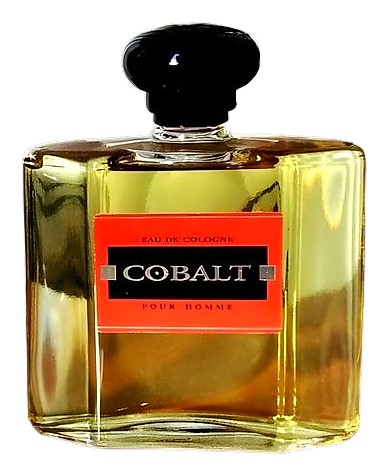
Maurice Roucel is credited as the perfumer behind this composition, signed at a point when his name already carried quiet weight in the world of masculine fragrance. Cobalt comes from Parera, a house whose identity revolves around crafting colognes with character and restraint. The brand built its reputation on bottles that delivered presence without pretension, and Cobalt fits that lineage precisely. A cologne built on citrus and spice, it offers a clean, focused composition that doesn't ask the wearer to perform anything. The juice itself reads as crisp and elemental, the kind of fragrance that announces itself in the first breath and then settles into something more personal.
What makes Cobalt interesting isn't the complexity of its construction. It's the restraint. Roucel built this around two note families, citrus and spice, and let them do all the work. The composition belongs to a tradition of Mediterranean masculine colognes where the perfumer trusts the materials to carry the structure without ornamental layering. It's a study in how two opposing forces, the cool lift of citrus and the grounded heat of spice, can create something more dimensional together than either achieves alone. The accord structure reads warm spicy, citrus, and fresh in roughly equal measure.
The evolution
The first moments belong entirely to citrus. Bright, almost sharp, the way lemon zest hits the air before the knife even finishes its stroke. It's not shy. The citrus reads as freshly expressed, with that slightly bitter pith quality that real citrus gives you before any sweetness has a chance to soften it. Within the opening phase, spice enters from underneath, threading through the citrus rather than replacing it. The spice here reads warm and dry, a generic spiciness rather than anything specifically named, but it brings a low heat that anchors the brightness above. The two families coexist in the heart phase, neither one dominating. The citrus carries the lift, the spice carries the weight. As the hours pass, the citrus retreats to a faint shimmer, and what remains is something warmer, drier, closer to skin.
Cultural impact
Cobalt wears like a cologne from a tradition that understood the format as a functional grooming accessory rather than a statement piece. It sits comfortably within the broader world of citrus-spice masculines, a category built on clarity, refreshment, and daily wearability. The formula draws from a masculine Mediterranean sensibility, where citrus and spice have long coexisted as the backbone of warm-weather fragrance. There's nothing aggressive in its profile, nothing designed to project across a room or announce the wearer's taste from a distance.
The House
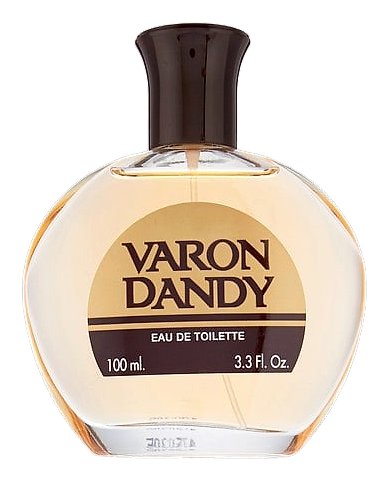
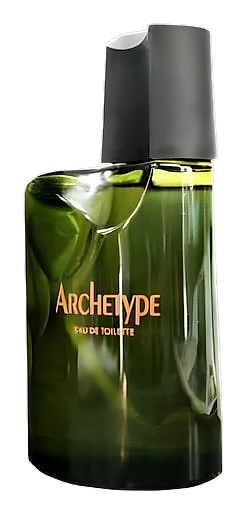
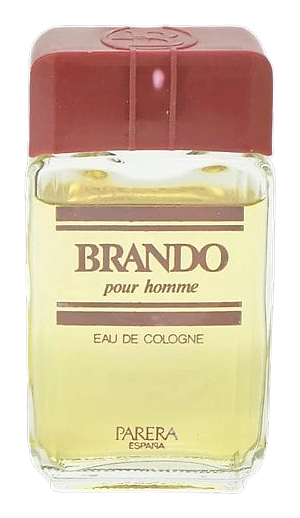
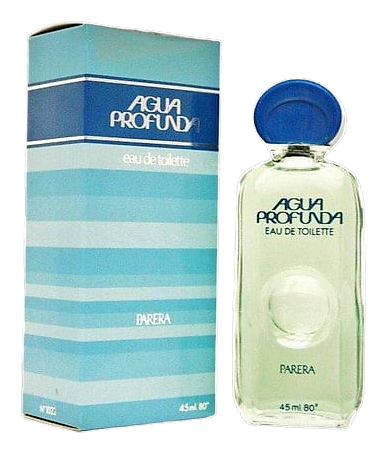
PareraParera operated as a Spanish fragrance house from 1912 until its dissolution in 1990, producing a catalog of memorable men's colognes that spanned nearly eight decades. The brand originated in the Catalonian town of Bandera and developed a reputation for scents that balanced approachability with distinct character. Among its notable releases, Varon Dandy (1923) and Gong (1936) stand as particularly significant for their bold visual presentation and scent profiles that departed from prevailing trends of their eras. The house produced fragrances across multiple decades, including Brando Pour Homme (1970), Andros (1980), and Archetype (1982), demonstrating a sustained commitment to masculine olfaction throughout changing fashion currents. Parera positioned itself as offering refined elegance at accessible price points, a philosophy reflected in both its formulations and packaging approach.
The Creator
Maurice RoucelRoucel's style is often described as opulent and sensual. He has a penchant for white flowers, particularly tuberose, which he often uses in rich, heady compositions.