
The Story
Why it exists.
The beginning
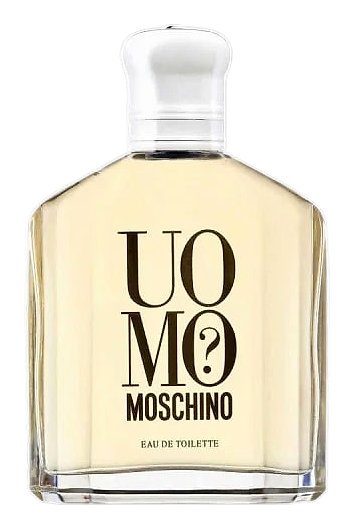
Moschino built its name on asking questions no one in luxury expected. The question mark in Uomo was the whole point, a provocation disguised as a men's fragrance, dropped into a 1998 market full of assertion and machismo. Olivier Cresp, working from the house's Milanese spirit of affectionate subversion, composed something that looked like it belonged in a department store but felt like it was winking at you from across the aisle. Uomo was designed to smell like confidence without the performance, the scent of someone who knows what they want and doesn't need to announce it.
The combination of kumquat and Brazilian rosewood is unusual, tart citrus meets warm, slightly camphoraceous wood in a way that reads as neither purely fresh nor purely spicy. Hedione amplifies the perceived citrus while adding a transparent floral lift that gives the opening its unusual glow. At the heart, clary sage brings an herbal, slightly sweet quality that softens the sharper coriander, while cyclamen adds a powdery floral dimension that keeps the whole composition from tipping into pure freshness. The result is a fragrance that refuses to be one thing, citrus that isn't light, woody that isn't heavy, floral that isn't delicate.
The evolution
The opening lands bright and a little sharp, kumquat and aldehydes creating a citrus fizz that announces itself for twenty minutes before stepping back. Cedar arrives through the heart, softening the edges as clary sage and cyclamen move in with a quiet herbal-floral warmth. The drydown is where Uomo earns its reputation: musk and cedar working close to the skin for four to six hours, never loud, never leaving. On fabric, the cedar holds longer than on skin. On some wearers, the Artemisia adds a faint bitter-green edge that others won't notice at all.
Cultural impact
Uomo arrived in 1998 during a period when masculine fragrances were shifting away from heavy, boldoriental compositions toward lighter, cleaner profiles. Moschino, the Italian fashion house founded in Milan in 1983, used Uomo to bridge high fashion and mass-market accessibility, positioning the scent as sophisticated without requiring luxury pricing. By combining hedione's transparent floral nuance with coriander's aromatic complexity and Brazilian rosewood's warm woodiness, Uomo offered something genuinely different from the era's typical masculine scents. The fragrance democratized sophisticated perfumery, translating high-fashion olfactory aesthetics into an accessible experience for middle-class consumers.
The House
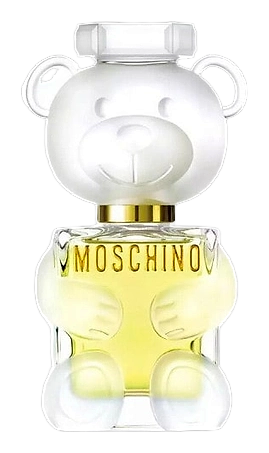
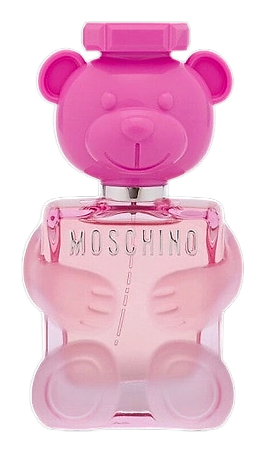
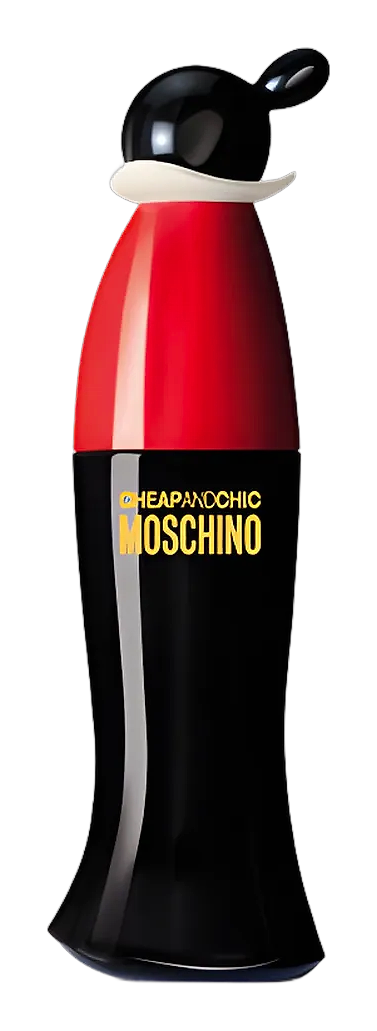
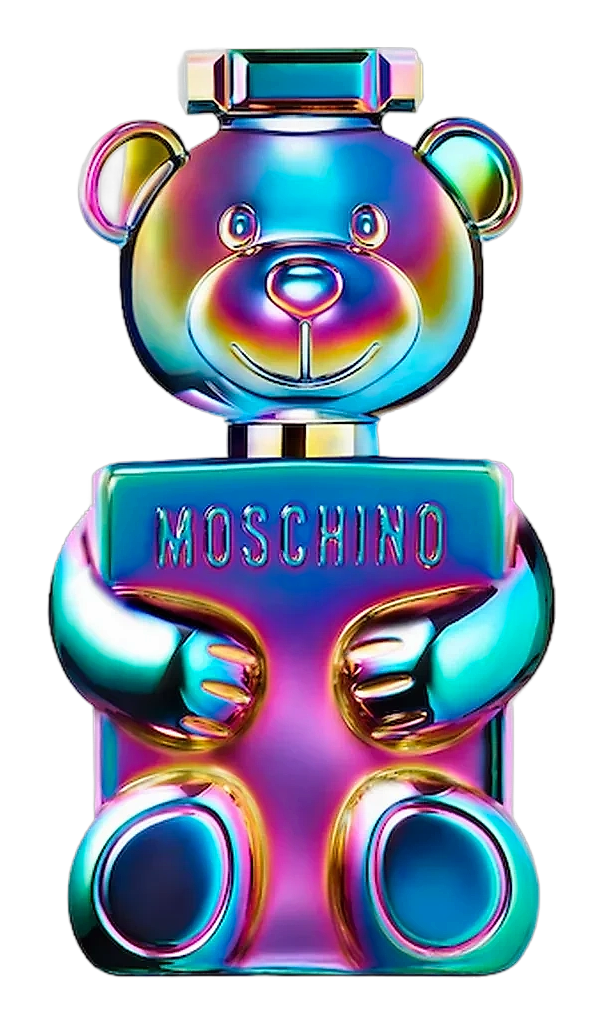
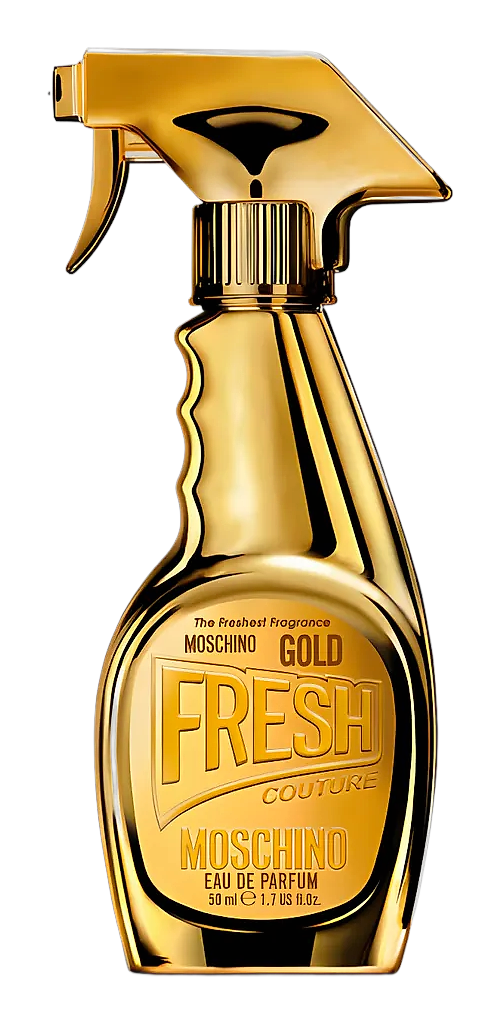
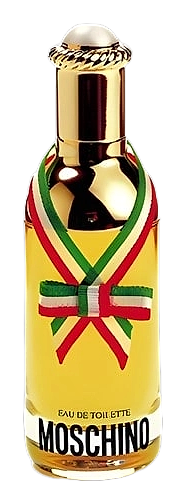
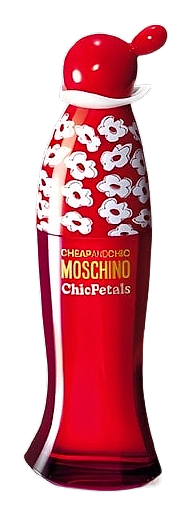
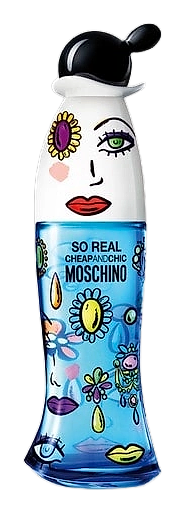
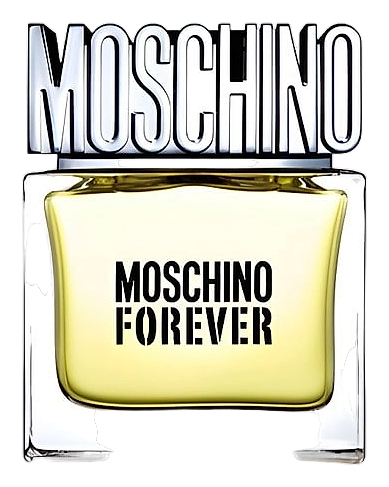
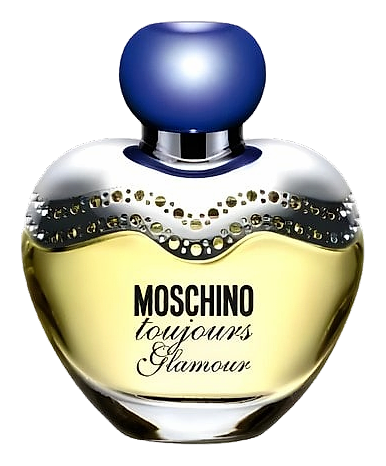
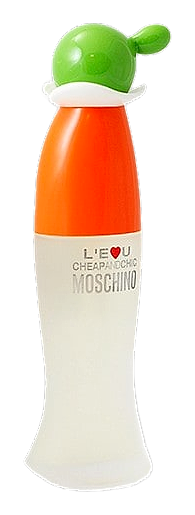
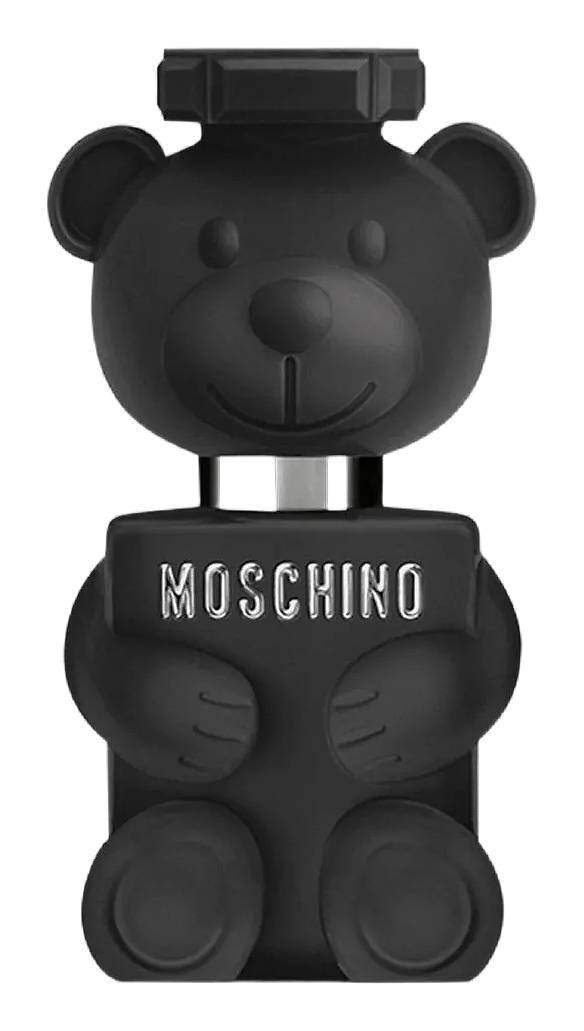
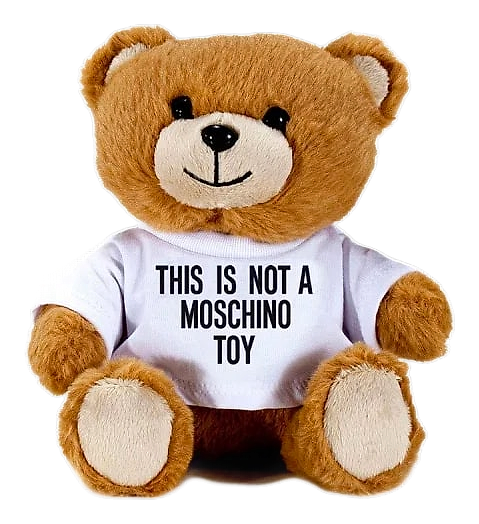
MoschinoMoschino is an Italian fashion house founded in 1983 by Franco Moschino in Milan, renowned for its irreverent, campy approach to luxury fashion. The brand challenges established industry norms with colorful, witty designs that often parody mainstream luxury and consumer culture. Moschino's fragrance collection extends this provocative spirit into scent form, with bottles disguised as everyday objects and iconic characters that generate viral moments and collector appeal. The house has remained influential across four decades, with creative direction passing from Franco to Rosella Jardini and later to Jeremy Scott before Adrian Appiolaza took the helm in 2024. Moschino operates as part of the Aeffe Group and produces ready-to-wear, accessories, eyewear, and a diverse portfolio of fragrances for men and women.
The Creator
Olivier CrespCresp's signature style often features a blend of fresh, clean notes with warm, comforting accords. He's known for his masterful use of fruit notes, particularly fig and berries, which he often combines with florals and musks to create scents that are both inviting and sophist…