
The Story
Why it exists.
The beginning
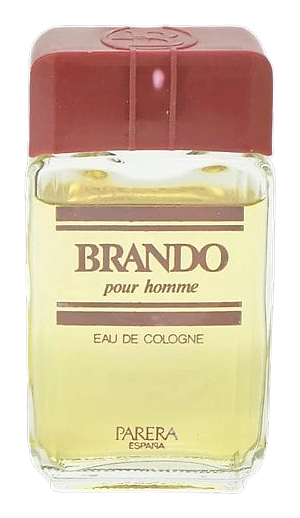
Brando Pour Homme was launched during the 1970s by Parera, the Spanish fragrance house behind the name. The record does not identify a perfumer or a specific creative brief, so the clearest way to read this fragrance is through its structure. Its aromatic, spicy, citrus, powdery, woody, and floral accords form a classic cologne vocabulary, but the balance matters more than any single showy ingredient. Citrus gives the composition its first impression, bright and clean, while the aromatic and spicy facets add a sharper edge without pushing the scent toward heaviness. Powder and floral notes introduce a softer texture, and woody elements bring a measured depth that rounds out the earlier brightness.
What makes Brando Pour Homme worth examining is how many textures share the same small stage. Citrus supplies brightness, spice adds definition, powder gives the composition a soft-focus finish, and wood keeps it grounded. Floral notes prevent the woody side from becoming severe. None needs to dominate for the cologne to work; together, they create the neat tension of something bright at first, quietly tactile later, and never louder than the moment requires.
The evolution
The opening places citrus first, sharp enough to feel immediate but quickly tempered by the fragrance's aromatic and spicy character. Rather than remaining a loud citrus splash, it hands the composition over to warmer, woody facets. Powder and floral notes soften the middle, creating a smooth, polished stretch where the scent sits close without becoming inert. Wood remains the clearest anchor as the cologne dries down, giving the final hours a dry, tidy character instead of a heavy trail. The payoff is subtle: the citrus brightness gives way gradually, the middle settles into a softer floral-powder texture, and the woody base carries the composition toward its close. It's a cologne that reads in layers rather than all at once, revealing itself slowly as the brighter opening notes recede.
Cultural impact
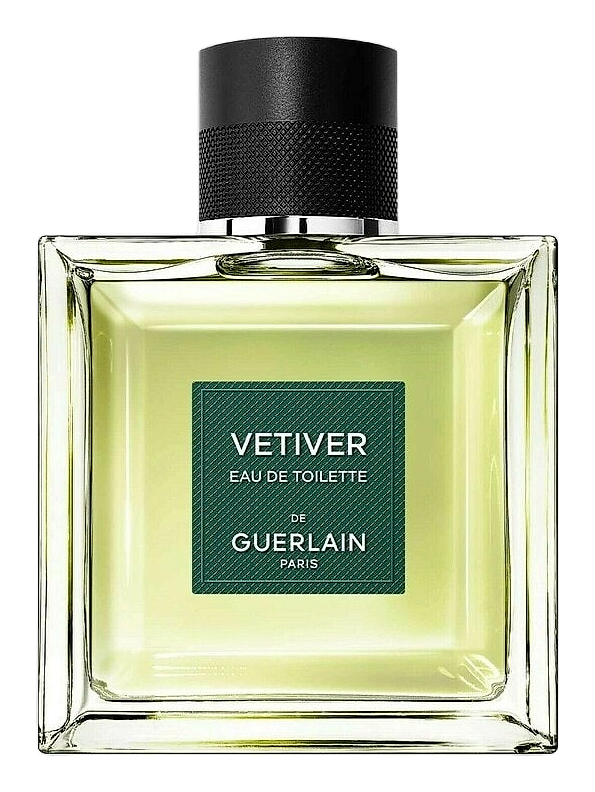
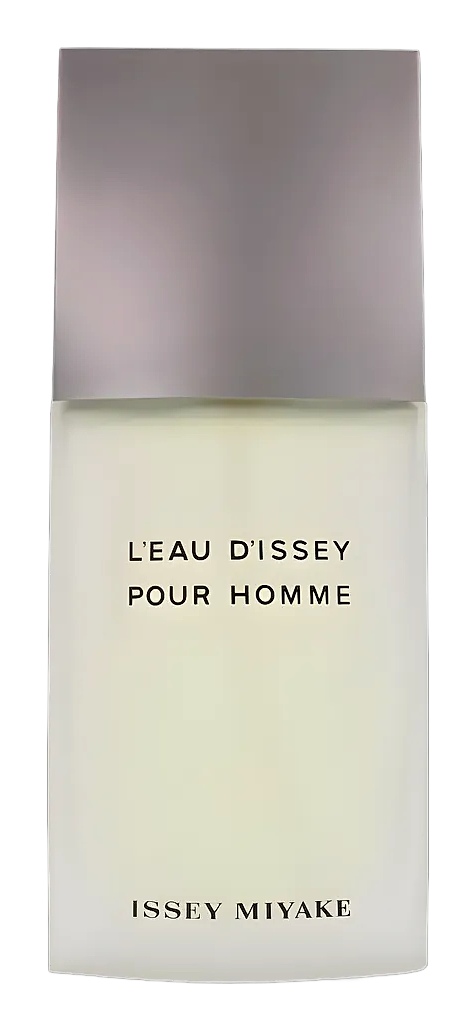
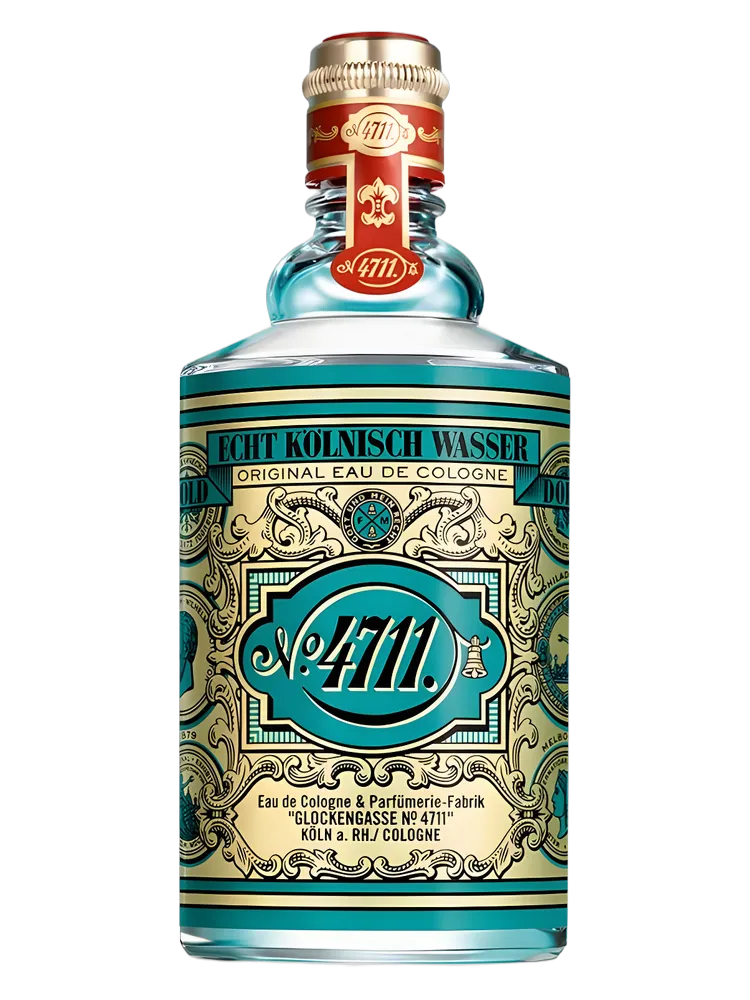
Brando Pour Homme sits within a familiar classic cologne register, and the source material places it near aromatic peers such as Guerlain Vetiver, Dior Fahrenheit, Issey Miyake L'Eau d'Issey Pour Homme, and 4711 Original. Those comparisons make the profile easy to approach for anyone drawn to traditional masculine colognes, and they also mark how the fragrance operates: through a well-known note architecture rather than an unusual one. Within that frame, Brando Pour Homme builds its character through proportion.