The Story
Why it exists.
The beginning
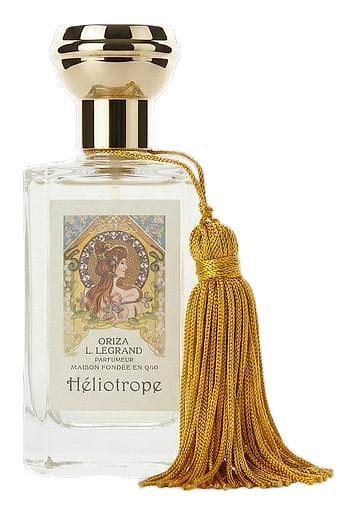
Composed by the house of Oriza L. Legrand, which traces its presence in France to 1720, Héliotrope was formulated during the latter half of the nineteenth century, when floral compositions were gaining ground as a distinct category in fragrance. The name refers to the heliotrope flower, a plant whose name literally means 'to turn toward the sun.' In old folk tradition it was called 'Herb of Love' and 'God's Herb,' a botanical with devotional weight that carried layered meaning long before it became a perfumery note. The flower itself produces a natural almond-like sweetness, something like marzipan warmed in the palm, which gives the composition its gentle, nutty signature.
What makes Héliotrope worth attention is its restraint. The heliotrope flower itself carries a natural almond-marzipan facet, so the perfumer leans into that inherent sweetness rather than masking it with louder gourmand elements. Violet leaf at the top adds a green mineral flicker that prevents the opening from collapsing into pure confection. Iris in the heart introduces the powdery, cosmetic backbone that anchors the whole structure, lending a soft, suede-like finish that smooths every other note around it.
The evolution
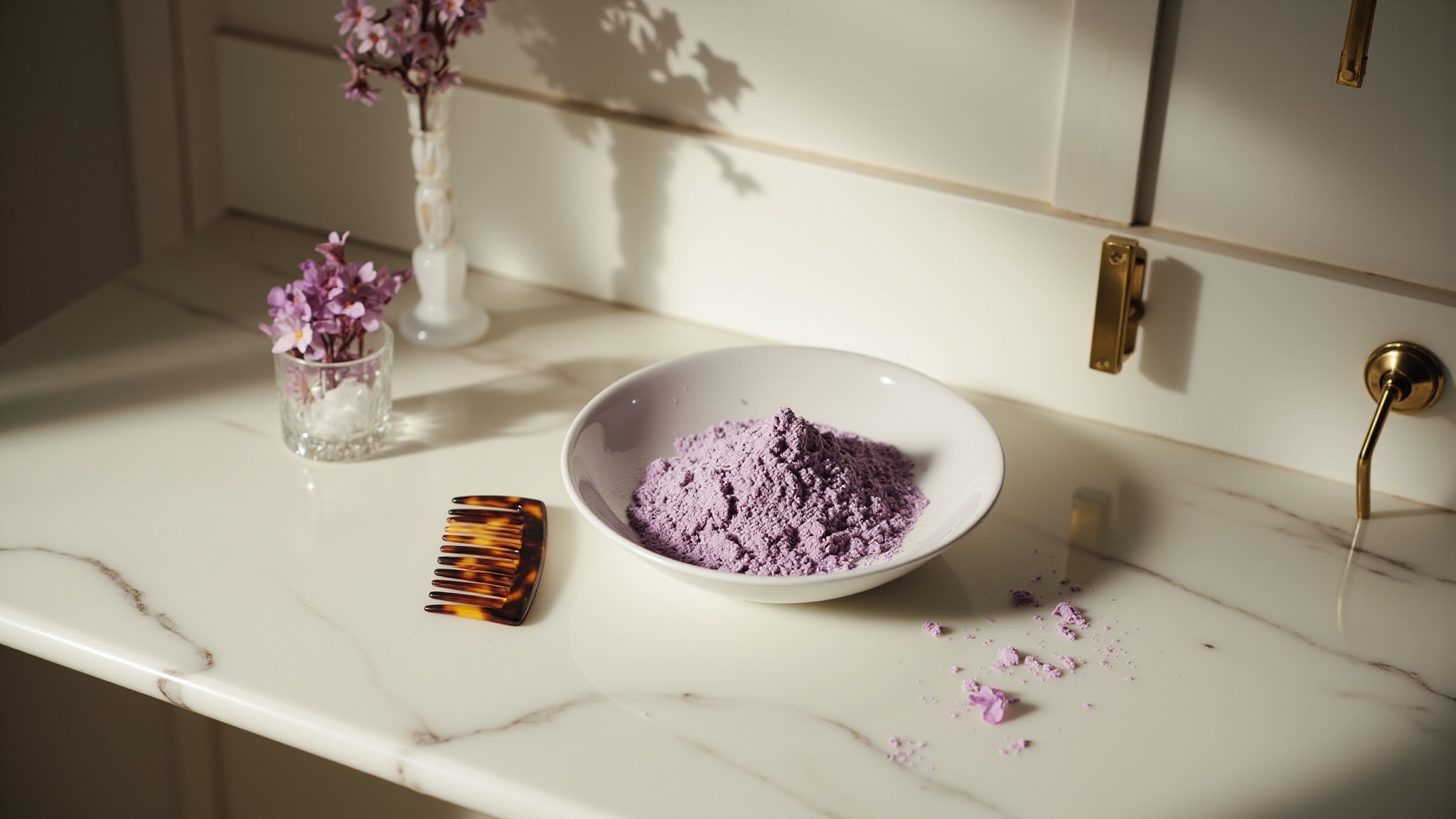
The opening belongs to violet leaf. It's a cool, slightly watery green note that reads almost cucumber-fresh, bracing the composition against the sweetness that's coming. As that green recedes, the heliotrope and almond take over, blooming into something that smells like marzipan dusted with iris powder. The heart is dense and creamy, but never heavy. Mimosa lends a fuzzy, honey-tinged texture that softens the iris further, making the whole accord feel like sunlight filtered through old curtains, warm but slightly diffused. As the hours pass, the base notes begin to surface. Rice powder and white musk settle into the foundation, creating a clean, soapy softness that recalls freshly laundered linens. Benzoin and tonka bean add a faint resinous warmth underneath, like the inside of a wooden jewelry box lined with aged velvet.
Cultural impact
Héliotrope sits in a category of its own, a quiet composition that feels both familiar and singular. It reads as vintage without costume, old-fashioned without being dated. The kind of scent someone chooses when they want to signal taste through understatement rather than volume. There's an intellectual pleasure in wearing something this restrained, a sense of participating in a longer conversation about what fragrance can be when it isn't trying to shout.