The Story
Why it exists.
The beginning
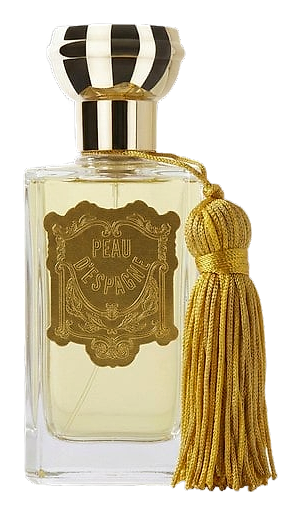
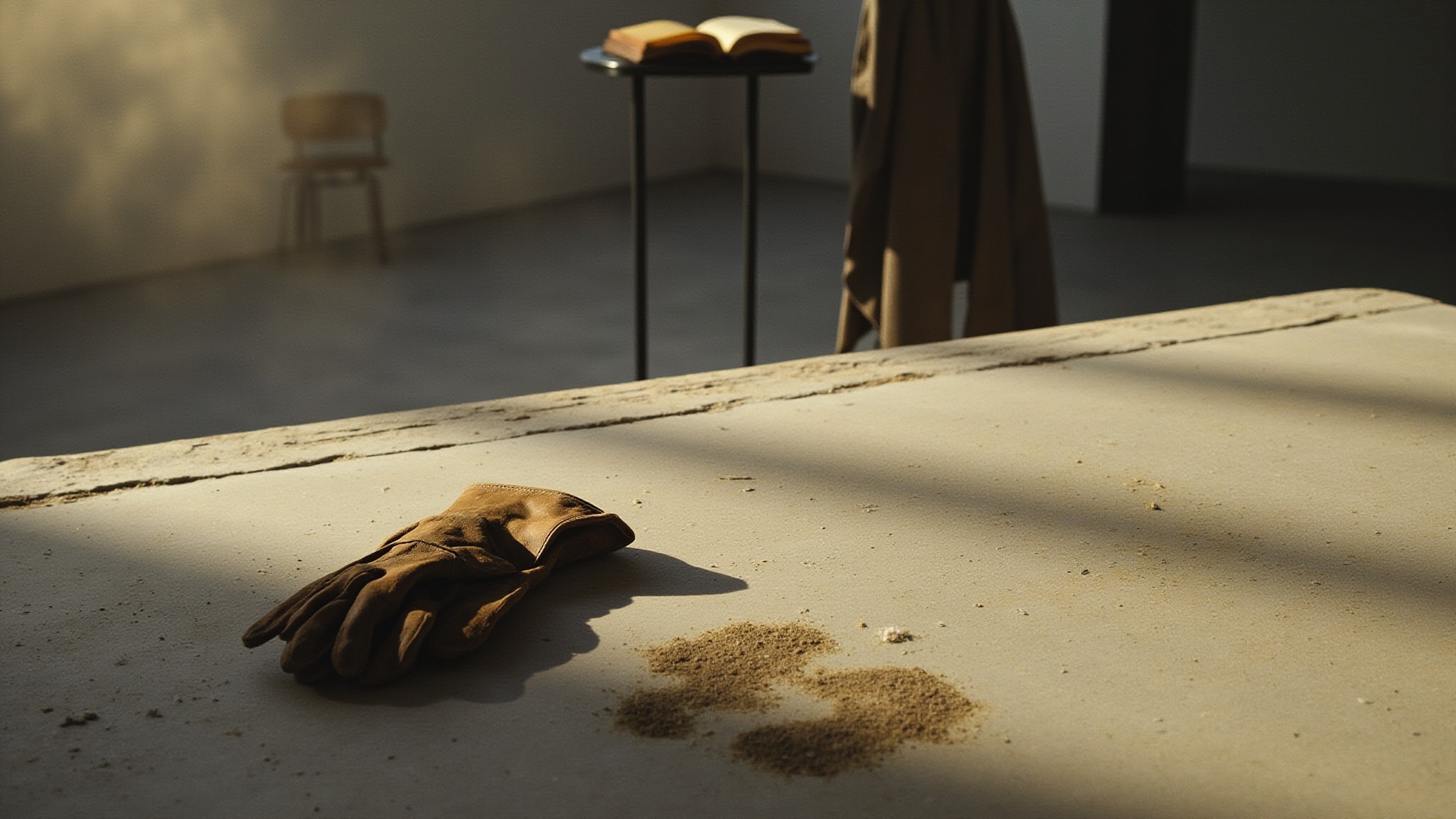
In 1872, Hugo Lambert reached back to the golden age of the Master Glover-Perfumers. Under Louis XIV, their guild flourished, crafting scented gloves that aristocracy wore like a second skin. The art required warm spices, powdery florals, and resins that could survive contact with leather and skin. Peau d'Espagne was built to capture that tradition, a leather fragrance that refuses to smell like leather is supposed to. The name itself, Peau d'Espagne, nods to Spanish leather, the benchmark of quality across European courts. What Lambert created was a record of something fading: the hour when perfumed gloves were not a luxury but a language.
The combination of carnation and cloves is the tell. Both carry that spicy, almost medicinal heat that most modern perfumers avoid, too polarizing, too old-fashioned. But in 1872, it was the point. Add birch tar, the darkest of the dark leathers, and you have a fragrance that doesn't negotiate. The powdery finish comes from benzoin and styrax, resins that round the edges into something soft without losing the structure underneath. Bergamot opens the door. Everything else stays.
The evolution
The bergamot and rose arrive first, bright, clean, almost cool. Like cold air on warm skin. That opening holds for thirty minutes before the carnation and clove step in, building slow and deliberate. The lavender follows, softening what could have been aggressive into something almost creamy. Sandalwood tempers the edges. The heart lasts hours. Then the florals fade and the birch tar emerges from below, tarry, smoky, animalic. The drydown settles into styrax and benzoin, that warm resin sweetness cutting through the dark leather. What remains on skin the next morning is benzoin and memory.
Cultural impact
Peau d'Espagne is for the wearer who knows what they want and doesn't need the world to agree. The powdery leather character appeals to collectors who remember what fragrance used to be, before longevity became a spec sheet, before sillage became a competition. It rewards patience over projection.