The Story
Why it exists.
The beginning
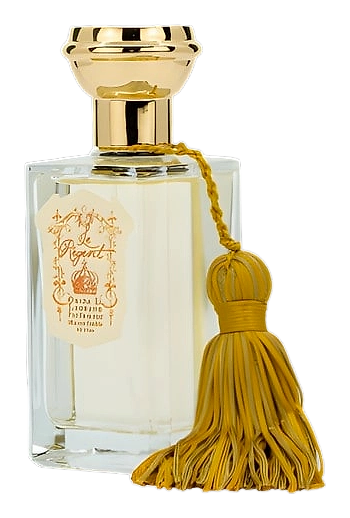
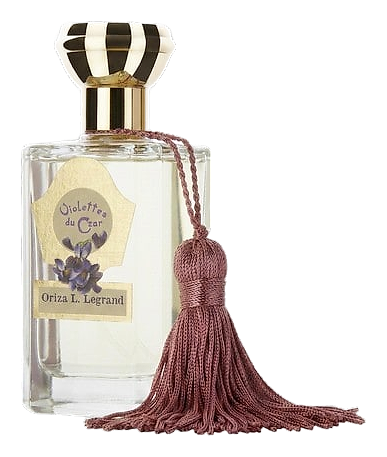
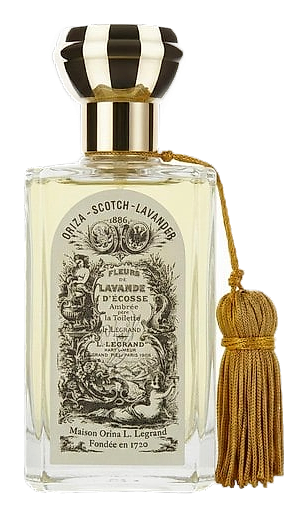
The name says Scotland, but the formula lives in the Oriza L. Legrand archive from 1884, a time when the house was actively reconstructing classical fragrance techniques using original manuscripts and period ingredient lists. The choice of Scottish lavender over the more common Provençal variety wasn't arbitrary. It reflects a deliberate turn toward something more austere: herbal, camphorous, less decorated. The kind of lavender that grows wild between stone walls and smells of maritime air rather than markets.
What makes the structure interesting is the layering of lavender at every level. Most fragrances use it as a top note, a brief, fresh impression before the heart takes over. Here, Scottish lavender anchors the heart and persists into the base, its camphorous, slightly saline character threading through the composition like a through-line. Geranium adds a green-rosy brightness. Vetiver grounds it with mineral earth. The amber-benzoin-tonka combination in the base doesn't compete with the herbal character, it amplifies it, turning the lavender into something warmer, more intimate, that reads as natural rather than perfumed.
The evolution
The opening hits cool and sharp, bergamot bright, thyme with its peppery, almost medicinal quality. The Scottish lavender arrives quickly but stays green, camphorous, more herb than flower for the first thirty minutes. Then the geranium softens it. A slight rosy quality emerges in the heart, but the vetiver keeps things earthy, grounded. By hour two, the composition has shifted: the herbal sharpness has mellowed, and benzoin's warm, vanillic resin begins to show. The tonka bean adds sweetness without cloying, coumarin depth that reads as hay, not candy. Six to eight hours in, the amber takes over. Warm, slightly powdery, intimate. The kind of drydown that stays close to the skin rather than announcing itself. On fabric, it lingers longer, lavender and amber together, like sun-warmed linen.
Cultural impact
Scotch Lavender occupies a specific niche: aromatic, herbal, unapologetically classical. It doesn't try to compete with modern fragrances or chase trends. Instead, it represents a return to something more honest, lavender that smells like a plant, not a recreation. For those seeking an alternative to mainstream scents, it's a quiet statement about taste and authenticity. The 2020 reissue suggests enduring appeal among collectors and those who appreciate historical perfumery.