The Story
Why it exists.
The beginning
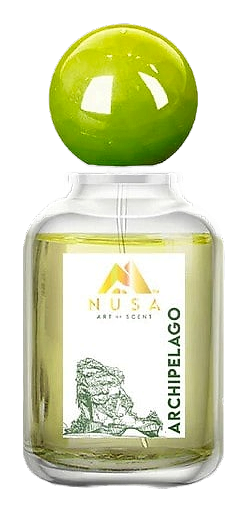
Archipelago arrived in 2024, shaped by perfumer Abdullah Al Roman as a tropical expression built around a cool ocean breeze. Its name points to the many-part character of the fragrance itself: bright fruit and citrus move over an aquatic heart, with green foliage and herbal lavender before the composition lands on moss, woods, and amber. The result doesn't treat the archipelago as a postcard. It treats the fragrance as something carried on skin, changing as fruit gives way to water, and water gives way to shade. That's the idea at play here, a composition built from tropical brightness and cool marine depth rather than a single tropical cliché.
The unusual part is the balance between juicy fruit and mineral marine notes. Melon and pear bring immediate softness, but seaweed prevents the opening from becoming candy-like. Aquatic notes and water lily extend that watery handoff, while amberwood and caraway lend wood and spice where an aquatic fragrance might otherwise feel thin. Lavender adds a herbal edge, and the base of patchouli, cedarwood, oakmoss, amber, and musk gives the whole composition weight. Nothing here sits in only one lane, and that friction gives Archipelago its character.
The evolution
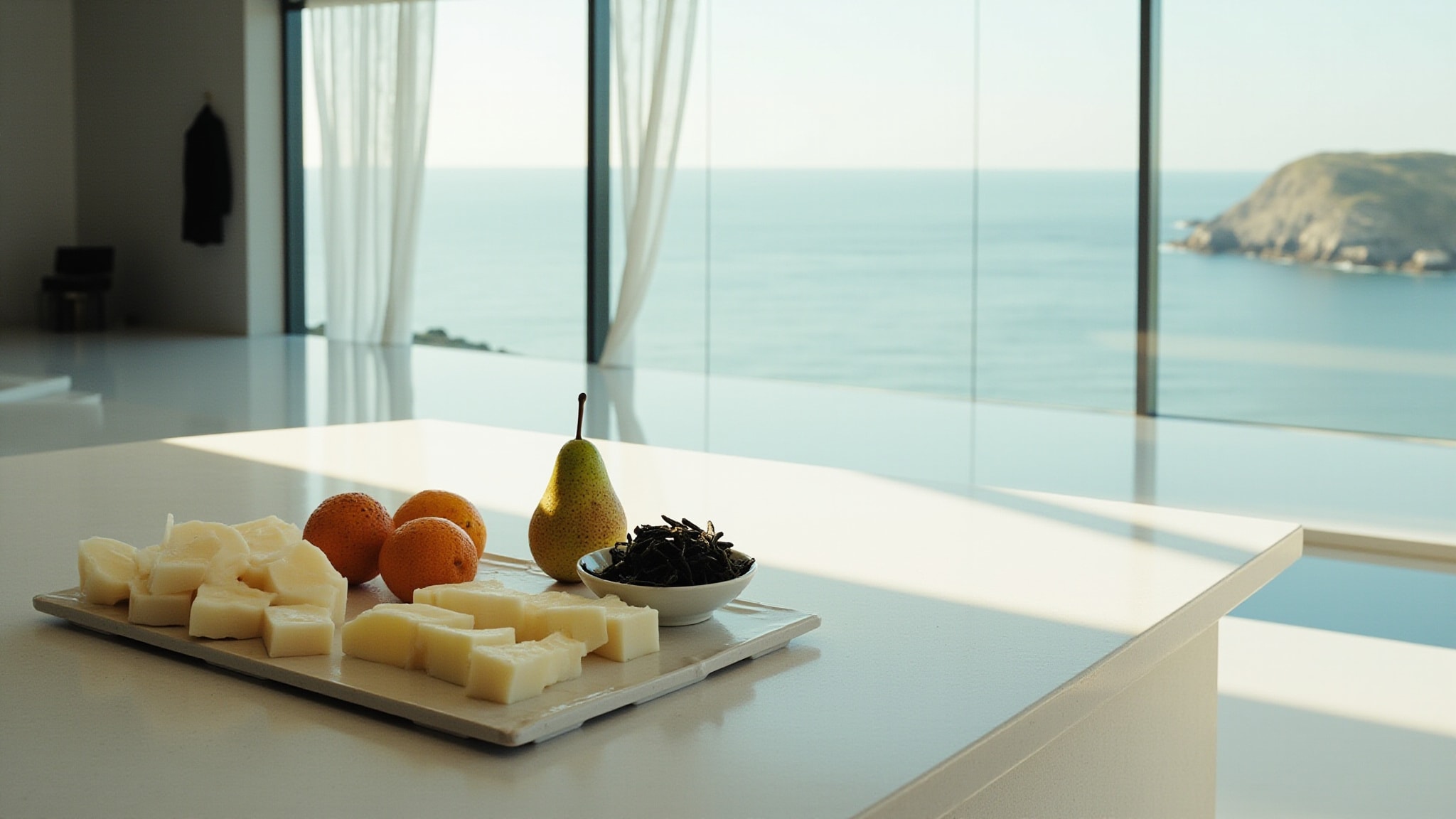
The opening arrives bright and generous. Melon, pear, green notes, and bergamot lend the cool sweetness of fruit cut open near a window. Then the composition moves toward the water: aquatic notes, blackcurrant, and water lily soften the citrus, while seaweed introduces a salty, mineral texture that feels less like a beach cliché and more like weathered shoreline. Lavender and amberwood keep the middle from becoming purely aquatic, adding a dry herbal and woody counterpoint. As the bright fruit recedes, patchouli, cedarwood, oakmoss, amber, and musk settle into a darker, earthy base. The surprise is the balance: cool fruit and wet greenery remain legible, but moss, patchouli, and musk lend the drydown a grounded, forest-floor quality.
Cultural impact
Archipelago fits the house's interest in fragrance as a record of place, tying tropical brightness to the cooling effect of a marine breeze. The composition is notably layered, pairing melon and pear with bergamot and green notes before settling into water lily, blackcurrant, seaweed, and lavender. Its drydown brings patchouli, cedarwood, oakmoss, amber, and musk into focus, giving the whole scent a darker, earthy finish. It's a fragrance worth exploring for the way its fruit, aquatic, and woody stages shift across the wear.
The House
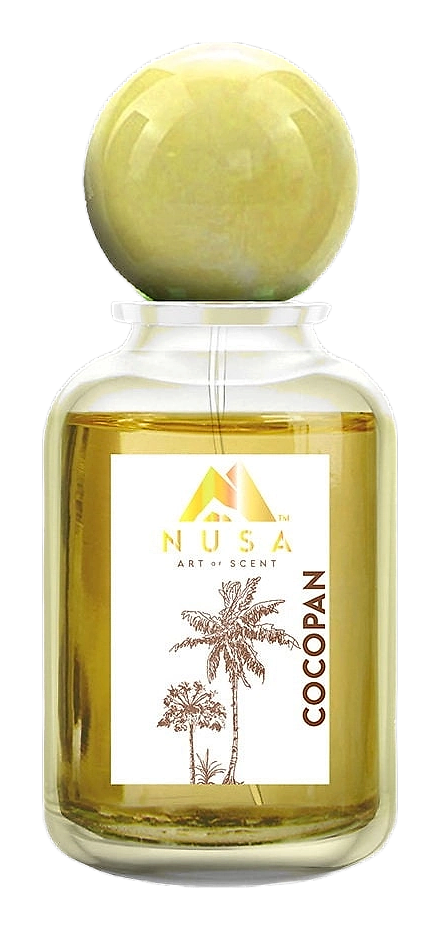
Nusa Art Of ScentNusa Art of Scent is a boutique fragrance house that bridges the botanical richness of Borneo with the coastal heritage of the Malay Peninsula. The label offers perfume, home fragrance and design accessories that treat scent as a visual and tactile experience. In 2024 the house introduced four collections – Cocopan, Archipelago, Highland Rose and Meraura – each framed as a sensory vignette of a specific landscape or cultural memory. The brand positions its offerings as limited‑run creations that invite collectors to explore a rarely charted olfactory map.
The Creator
Abdullah Al RomanAbdullah favors natural extracts and favors a minimalist palette that lets each ingredient breathe. He builds structures around a single star material—often a high‑grade oud or a rare flower—and supports it with subtle green notes, light woods, and a whisper of spice.