The Story
Why it exists.
The beginning
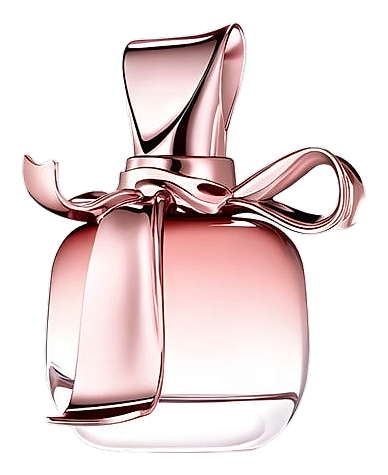
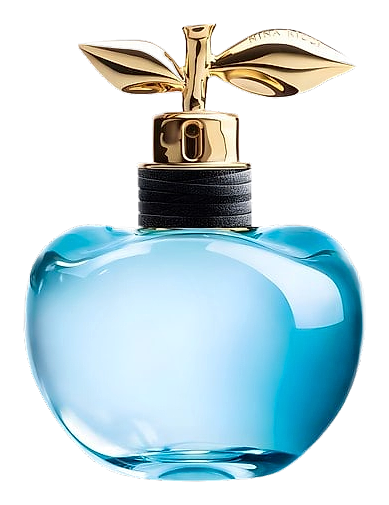
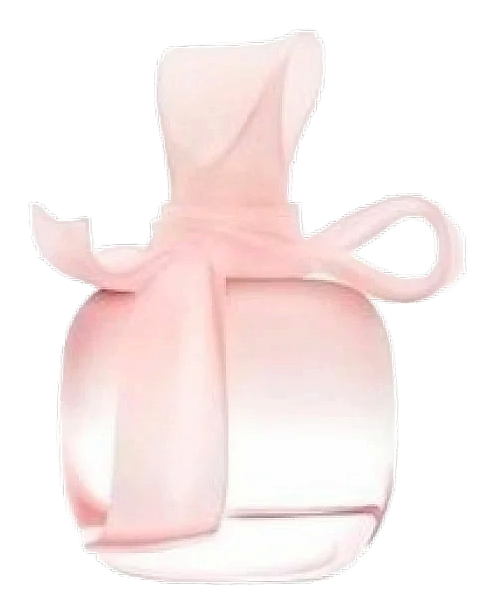
Released in 2013, Mademoiselle Ricci L'Eau is a lighter, brighter interpretation of Nina Ricci's signature romantic femininity. The composition was created by Alberto Morillas, whose work spans some of the most recognizable florals of the contemporary perfume landscape. Here, his approach reads as deliberately uncomplicated, built on fruit and powder in equal measure, with the kind of sunlit lift that makes a fragrance feel effortless rather than constructed. The Nina Ricci house has long built its identity around softness as a kind of quiet confidence, and L'Eau steps comfortably into that tradition, a daytime-ready expression of an established Parisian sensibility.
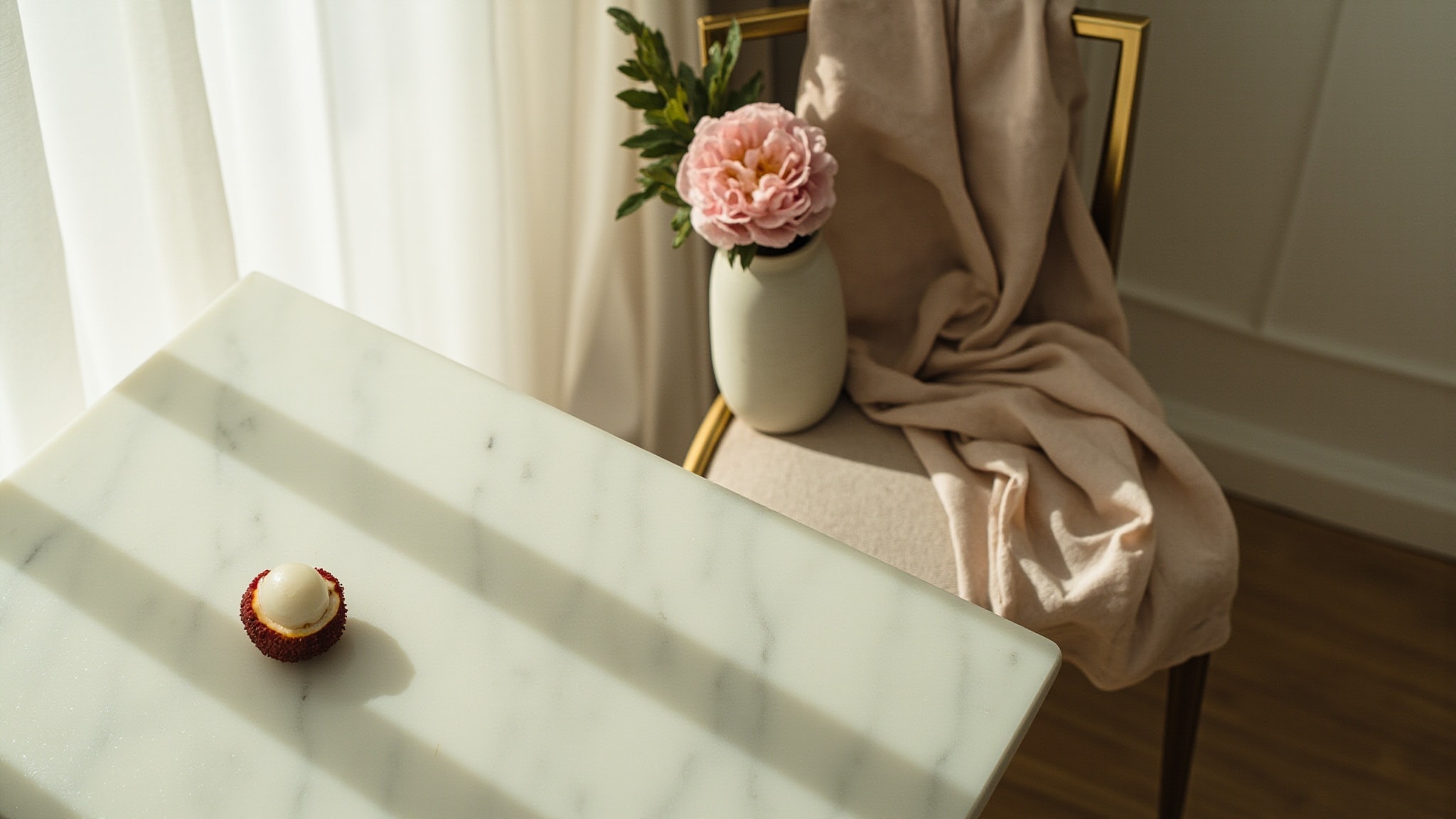
What makes this composition distinctive is how narrow it stays. Lychee carries the opening and the heart, refusing to fade quickly, which gives the fragrance a surprisingly linear sweetness. Peony and rose arrive to soften that sweetness into something powdery and skin-like. The result is a scent that behaves almost like a single mood stretched across three phases rather than a traditional pyramid. The lychee reads less like a fresh-picked fruit and more like the syrupy, almost candied version of itself, the note you'd find in a chilled summer dessert or a delicate oriental confection.
The evolution
On skin, the first ten minutes are unmistakably lychee, the canned-fruited, almost candy-like version of the note, sweet and slightly syrupy. That sweetness doesn't burn off. Instead, it rounds out as peony enters, softening the fruit into something more floral and slightly cool, with a powdery edge that suggests lipstick compact or clean cotton. Rose adds a quiet warmth underneath. The drydown, arriving around the two-hour mark, leans into the powder. There's no heavy base of musk or wood to anchor it. What lingers is a soft, creamy floral veil, close to the skin, more suggestion than statement. The transition through the wear feels gentle rather than dramatic, each phase sliding into the next without any sharp edges or sudden pivots. The lychee softens, the peony blooms a little wider, and the rose quietly anchors everything in a warm, almost suede-like undertone.
Cultural impact
Mademoiselle Ricci L'Eau occupies a specific place within Nina Ricci's own catalog as a lighter, more casual daytime option, an easier-to-wear interpretation rather than a statement piece. Wearers tend to be drawn to it for warm-weather office days and casual outings where something soft but noticeable is wanted without the weight of a heavier floral oriental. The lychee-forward character gives it a youthful, slightly playful edge that distinguishes it from more traditional powder florals on the market, while the underlying rose and peony keep it firmly within the house's romantic register.