
The Story
Why it exists.
The beginning
The Temptation of Windsor arrived in 2015, the same year Nikolay Eremin launched his house with four debut compositions. Part of The English Collection, the composition is built around contrast: delicate flower notes set against dense, intensive resin and nut accords, the kind of tension found in letters written but never sent, where decorum masks something more honest underneath. The brand positioned it as melancholy in olfactory form, a scent that thinks aloud rather than announces itself. The 2015 release marked one of the earliest statements from a house that would come to treat perfumery as a literary medium, each bottle carrying the weight of a narrative idea rather than a simple mood board.
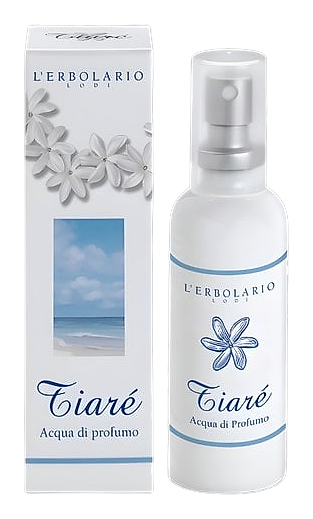
What's unusual here is the sheer breadth of the white floral heart: mimosa, magnolia, lily, honeysuckle, jasmine, and tiaré sit shoulder to shoulder, which in less careful hands collapses into sweetness. Then the base arrives with something most modern florals avoid: civet and seaweed absolute, anchoring the composition in territory that reads almost animalic against the powdery florals above.
The evolution
The first 30 minutes are cold and bright. Aldehydes flash sharp, then artemisia cuts green through lilac and violet, and the whole thing reads like walking into a stone room where someone just left. The florals bloom gradually, mimosa arriving first, then magnolia and tiaré filling the middle hours with a creamy, sun-warmed density that feels almost tropical against the cool opening. By hour three or four the shift begins. Civet and oakmoss creep in beneath the honey of benzoin, and the cocoa-vanilla thread at the base starts to surface. The drydown is where this composition earns its reputation: warm, resinous, faintly nutty, with that animalic edge still humming underneath. On fabric the next day it reads closer to a skin scent than a fragrance, intimate and slightly sweet, the florals long gone but the resin-civet character still clearly present.
Cultural impact
Floral-aldehyde constructions are rare in independent perfumery, and rarer still from a house releasing an explicitly English-themed composition. It appeals to wearers who want their fragrance to read literary rather than luxurious, more interested in the story a scent tells than the compliments it generates. The civet and seaweed absolute in the base mark it as a composition made for people who've already explored the obvious florals and want something with actual teeth underneath the prettiness.