
The Story
Why it exists.
The beginning
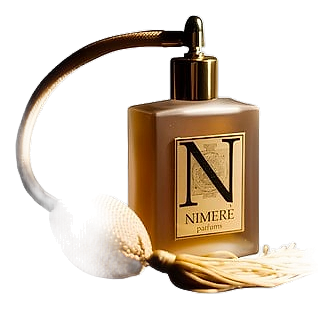
Killing Beauty arrived bearing a title that reads like a warning or a confession, depending on how you hold it. The name alone sets an expectation that something gentle is about to be complicated, and the composition lives up to both readings. It's a fragrance that announces its intentions in the title and then spends the rest of the wear proving them right. The fragrance belongs to a catalog that treats scent as something to be considered rather than merely worn. Killing Beauty sits among other releases from Nimere Parfums, a house whose output leans toward evocative naming and deliberate construction. Titles here tend to carry weight, and the compositions underneath them tend to follow through.
What makes this composition interesting is its contradiction. The heart reads like a bouquet a florist would build for a confession: freesia, gardenia, hawthorn, iris, lilac, lily of the valley, rose, even a woodland strawberry tossed in for sweetness. But the base drags it somewhere else entirely. Honey, caramel, tonka, myrrh, tolu balsam, labdanum, and patchouli pile up underneath until the florals stop behaving like flowers and start behaving like a warning. The petitgrain and verbena in the opening add a green bitterness that refuses to let the sweetness take over.
The evolution
The first ten minutes are green and sharp. Petitgrain and lemon verbena cut through with an almost herbal bitterness, the tangerine adding a thin curl of citrus that doesn't last long but sets the tone. It's brisk, awake, slightly impatient. Then the florals arrive, and they arrive all at once. Gardenia brings its creamy weight, rose lends its old-fashioned politeness, and the hawthorn and lilac give it something wilder, almost hedgerow. The plum underneath sweetens the whole arrangement, and the woodland strawberry adds a jam-like warmth that feels less like fruit and more like memory. This is the loudest phase, the one that announces. Around the second hour, the resins wake up. Myrrh and tolu balsam settle in, and the honey turns from suggestion to statement. The caramel starts pulling its weight, wrapping around the tonka bean until the whole composition goes golden and dense.
Cultural impact
Killing Beauty appeals to wearers who want their fragrance to say something specific. Its tension between floral prettiness and resinous gravity gives it a character that resists easy categorization, and that resistance is part of the appeal. The composition doesn't aim for universal pleasantness; it aims for presence, the kind of scent that enters a room before its wearer does and lingers after they've left. The fragrance's willingness to let opposites coexist without resolving them is unusual, and it's what gives the composition its staying power both on skin and in memory.