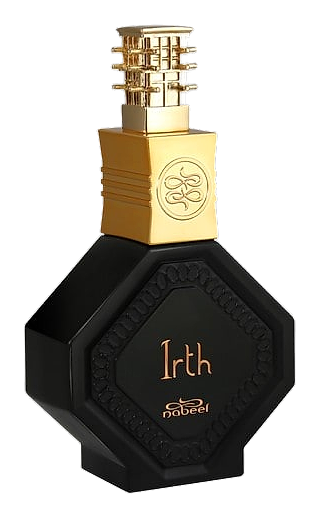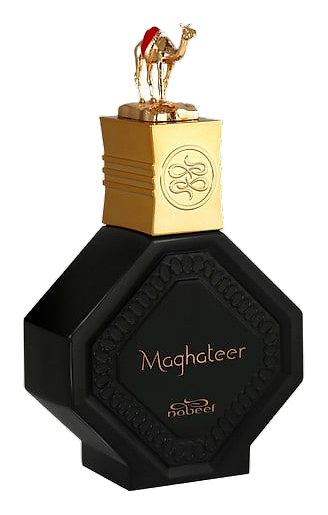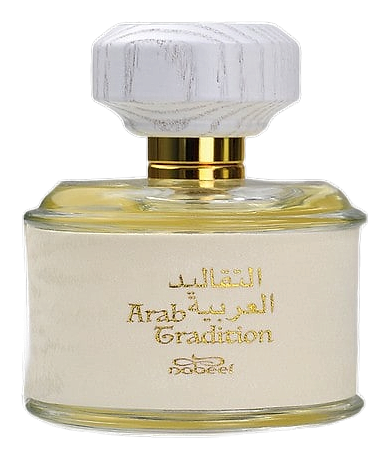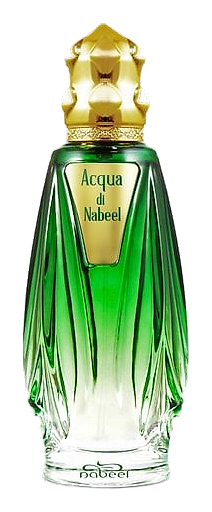

The Story
Why it exists.
The beginning
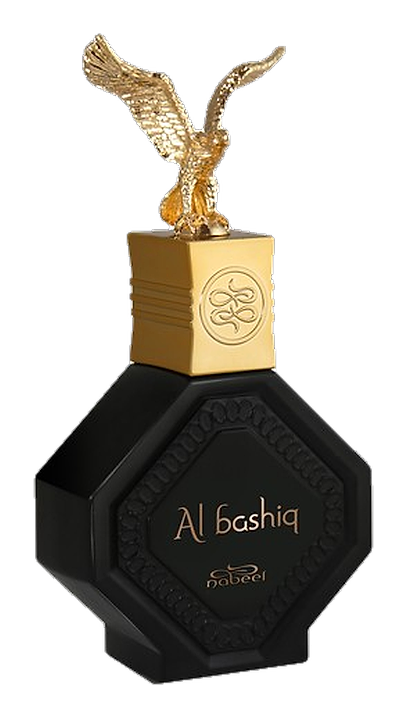
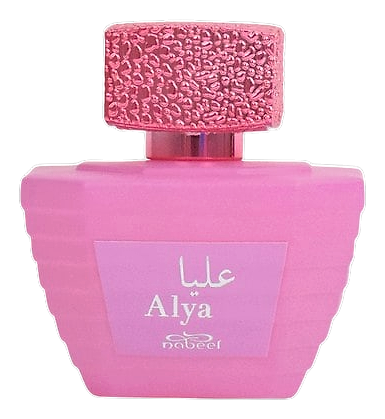
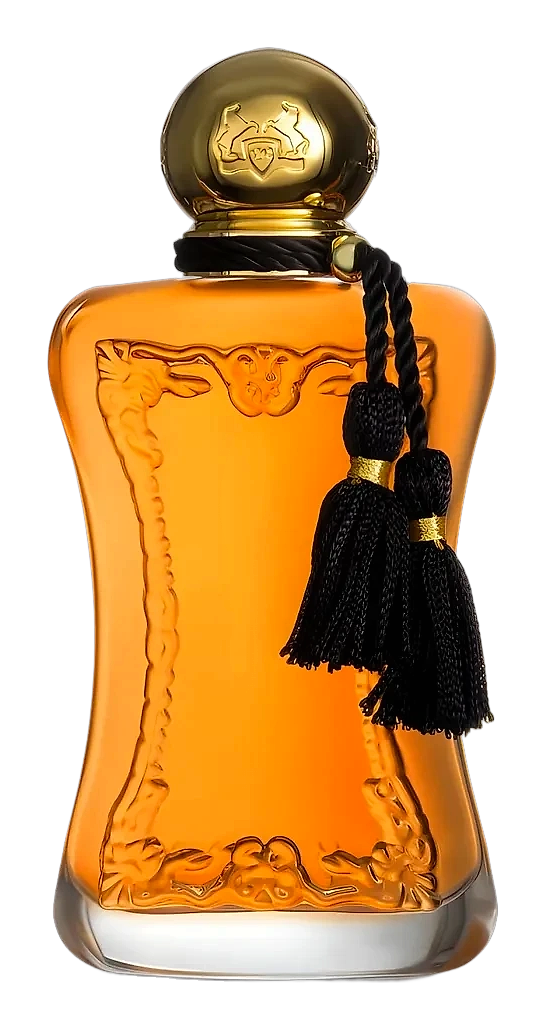
Alya arrived from the Nabeel house in 2018. The fragrance itself reads as deliberate from the first spray: rose and jasmine lift at the top, saffron winds through the heart with its dry, almost metallic hum, and oud anchors the base with a low smoky weight. The blend sits confidently between sweetness and spice, the white florals kept honest by the resinous backbone underneath. It's a composition that announces itself without shouting, the kind of scent that lingers in memory long after the wearer has left the room. The interplay between honeyed florals and arid spice suggests a careful hand at the formula, someone balancing opposing forces rather than letting one note dominate.
What's notable here is the collision of materials. White florals, vanilla, and honey could easily tip into cloying sweetness, but the saffron and cardamom pull the composition toward something spiced and arid. The oud in the base isn't shouty, but it's unmistakable, woven underneath the florals with quiet authority. That layering demands patience from the wearer, a willingness to let both sides register without trying to simplify the blend. As the hours wear on, the composition rewards those who pay attention, the saffron warming the honey while the oud grounds the whole structure.
The evolution
The first thirty minutes feel almost like a guilty pleasure. Bergamot, grapefruit, and a generous pour of honey and vanilla make the opening feel dessert-adjacent, the kind of scent that makes you double-check the price tag. Jasmine and Damask rose complicate that sweetness without killing it; they add a narcotic density that thickens the air around the wearer. The saffron shows up with its leathery, almost metallic hum, and the ylang-ylang smooths the transition into the base. From there, the composition shifts noticeably. Sandalwood and oud take over, the vanilla recedes, and what started soft turns dense and resinous. Tonka bean adds a final dusting of sweetness to the drydown, though the dominant impression becomes amber, leather, and a warm animalic undertone. It lingers close to skin for hours afterward, fading into a woody, slightly smoky whisper that still has teeth.
Cultural impact
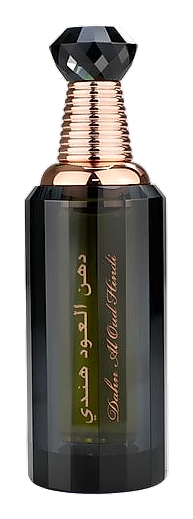
Alya sits within Nabeel's 2018 catalog alongside releases like Dahn Al Oud Hindi, part of a slate of compositions from that year. Wearers who gravitate to it tend to want their white florals backed by oud and saffron, a combination that signals familiarity with Arabian perfumery. It reads as confident, slightly formal, the sort of fragrance that suits someone already comfortable in their own skin. The balance between honeyed sweetness and arid spice makes it versatile enough for cooler evenings or air-conditioned interiors, where the heavier materials can unfold without being overwhelming.
The House
NabeelNabeel is an Emirati fragrance house that traces its roots to 1969, when Asghar Adam Ali (Al Attar) launched the label in Yemen before relocating operations to the United Arab Emirates. Over more than five decades the brand has built a catalogue that includes oil‑based classics such as Ashjan, Irth Gold and Shahrezad (2016), as well as newer releases like Dahn Al Oud Hindi (2018). Nabeel’s offerings balance traditional Arabic accords—oud, amber, rose—with modern compositional twists, catering to collectors who value depth and longevity in perfume oil and spray formats.
The Creator
Asghar Adam AliAsghar favors a layered architecture that begins with a bright, citrus or spice top, settles into a heart of floral or resin, and rests on a deep, woody base. He frequently employs raw oud, ambergris, and musk, pairing them with rare spices such as cardamom and nutmeg.