The Story
Why it exists.
The beginning
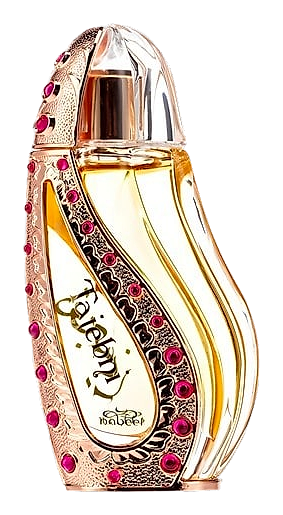
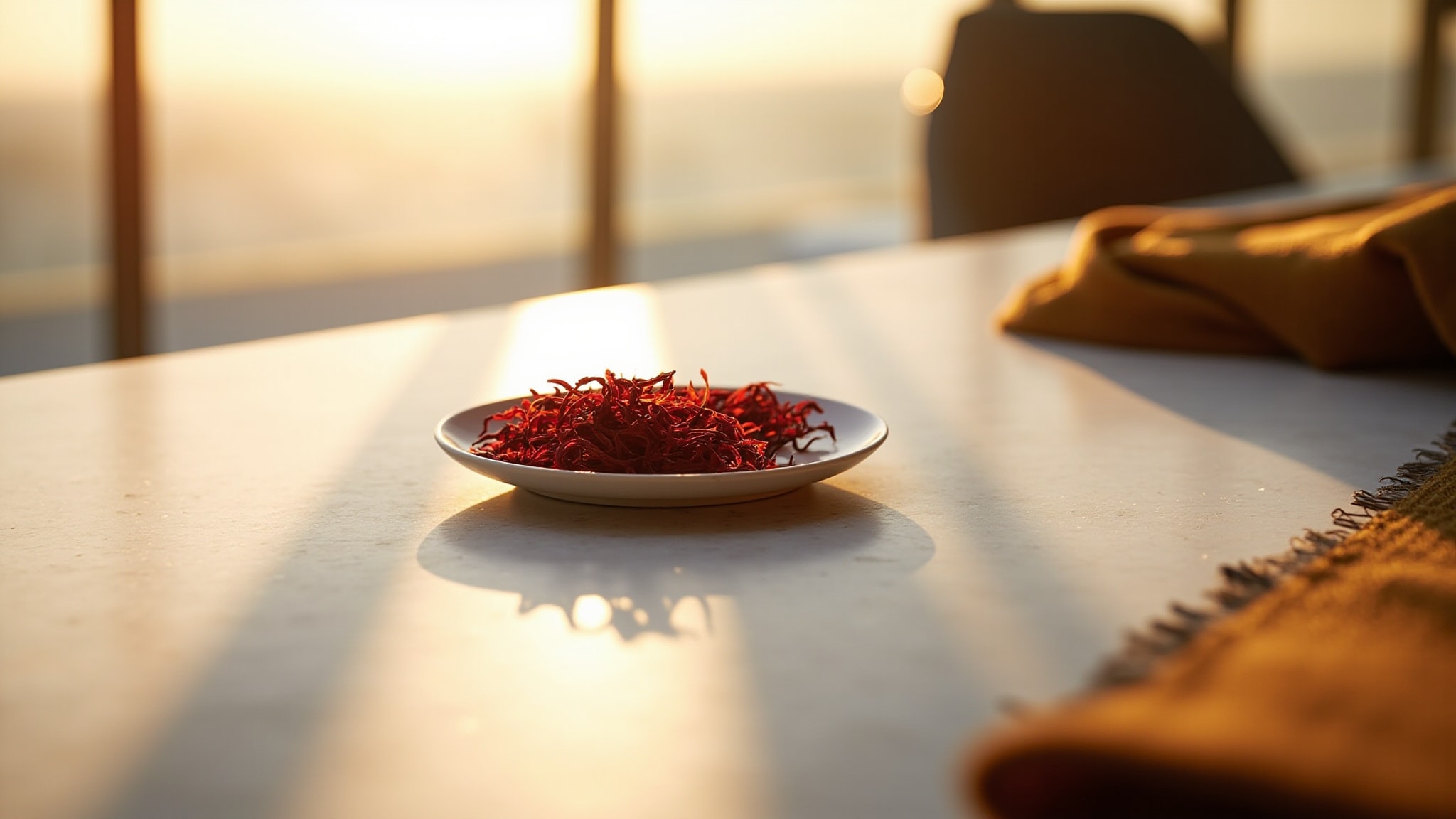
Tajebni was designed to captivate, to genuinely hold attention rather than simply smelling pleasant. The name itself is a declaration, not a description. The fragrance was built around saffron as the protagonist, that precious, almost confrontational note, surrounded by supporting elements that exist to amplify its impact rather than soften it. The idea was to create something that doesn't let go once it arrives. The opening statement matters most here, and Tajebni opens like it means it, with saffron leading the way before the other elements begin their work.
The architecture is built on contrast. Saffron and lemon arrive together, the red warmth of the spice against the bright sting of citrus. Neither backs down. Labdanum adds a dry, resinous edge that keeps the top from becoming sweet too early. Then the heart shifts the register entirely: lavender brings an aromatic coolness, while nagarmotha adds an earthy, slightly smoky depth that grounds the composition in something more complex than a straightforward oriental. The base is where the contradiction resolves, guaiac wood and sandalwood provide structure, but caramel provides the warmth that makes it wearable hours later. The whole thing holds together because each layer refuses to apologize for what it is.
The evolution
Saffron announces itself without apology, that metallic, almost blood-like warmth that pulls you in immediately. Lemon arrives within seconds, sharp and clean, but doesn't stay long. Soon the labdanum settles in, adding a dry resinous quality that pushes the opening toward something more complex. The heart is where the fragrance earns its keep: lavender opens cool and aromatic, while nagarmotha brings an earthy darkness underneath that doesn't read as sweet. Elemi adds a faint peppery brightness that keeps the middle from going flat. As time passes, the caramel surfaces, warm and caramelized, the sweetness of something that's been cooked down rather than added as an afterthought. Guaiac wood and sandalwood support it, but they don't compete. The drydown is intimate, staying close to the skin for hours, occasionally releasing a warm amber-wood whisper when body heat rises.
Cultural impact
Tajebni occupies a specific corner of the sweet oriental tradition, sitting in the aromatic complexity space rather than the heavy oud-and-amber territory. The lavender-nagarmotha heart gives it a cooler register than one might expect from a sweeter oriental fragrance, while the saffron-caramel structure keeps it firmly in that sweet-spicy family. It's the kind of fragrance that works for someone who wants Arabic fragrance tradition without feeling obligated to wear the heaviest expression of it. The balance between aromatic herbs and warm sweetness creates something that bridges different preferences within the oriental category.