


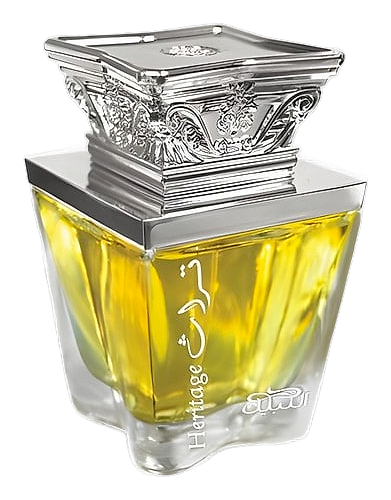
    Brand Profile

    Nabeel is an Emirati fragrance house that traces its roots to 1969, when Asghar Adam Ali (Al Attar) launched the label in Yemen before reloc…More

    United Arab Emirates·Est. 1969·Site

    3

    Fragrances

    4.0

    Rating

    Just Landed

    New Arrivals

    The latest additions to the Nabeel collection.

    50
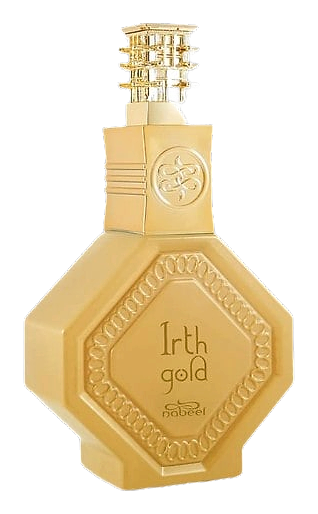
    Irth Gold by Nabeel
    Best Seller
    4.8

    Irth Gold

    Ashjan by Nabeel
    Best Seller
    4.8

    Ashjan

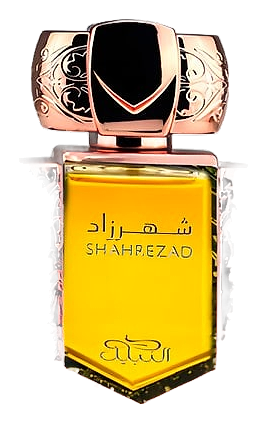
    Shahrezad by Nabeel
    Best Seller
    4.8

    Shahrezad

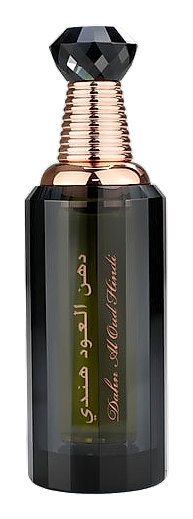
    Dahn Al Oud Hindi by Nabeel
    4.7

    Dahn Al Oud Hindi

    Insaaf by Nabeel
    4.7

    Insaaf

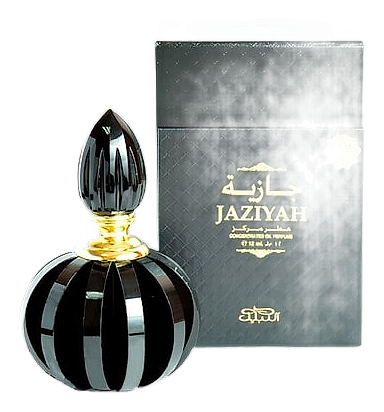
    Jaziyah by Nabeel
    4.7

    Jaziyah

    Empress by Nabeel
    4.6

    Empress

    Etisalbi by Nabeel
    4.6

    Etisalbi

    Sumu Man by Nabeel
    4.6

    Sumu Man

    Heritage Man by Nabeel
    4.6

    Heritage Man

    Aseer Al Shawq Bronze by Nabeel
    4.6

    Aseer Al Shawq Bronze

    Dibaj by Nabeel
    New
    4.5

    Dibaj

    1 of 5

    The Heritage

    The Story of Nabeel

    Nabeel is an Emirati fragrance house that traces its roots to 1969, when Asghar Adam Ali (Al Attar) launched the label in Yemen before relocating operations to the United Arab Emirates. Over more than five decades the brand has built a catalogue that includes oil‑based classics such as Ashjan, Irth Gold and Shahrezad (2016), as well as newer releases like Dahn Al Oud Hindi (2018). Nabeel’s offerings balance traditional Arabic accords—oud, amber, rose—with modern compositional twists, catering to collectors who value depth and longevity in perfume oil and spray formats.

    Heritage

    The story of Nabeel begins in 1969, when Asghar Adam Ali (also known as Al Attar) opened a modest perfume shop in the port city of Aden, Yemen. Early on he focused on sourcing raw oud, ambergris and regional botanicals, blending them into concentrated oils that appealed to local merchants. By the early 1970s the family relocated to Dubai, drawn by the emirate’s expanding trade networks and growing appetite for luxury scents. The move allowed Nabeel to establish a workshop in the Al Quoz industrial district, where the first batch of oil‑only fragrances left the press. In 1985 the brand introduced its first spray‑type perfume, responding to a regional shift toward more portable formats. The 1990s saw Nabeel expand its distribution beyond the Gulf, opening a flagship boutique in London in 1998, a step documented in the Companies House filing for Nabeel Perfumes International Limited. The 2000s marked a period of product diversification. In 2004 Nabeel launched the Empress line, a collection that paired traditional oud with citrus top notes, signaling a willingness to experiment within the bounds of Arabic olfactory heritage. The brand’s 2016 release Shahrezad, a narrative‑inspired fragrance, earned coverage in regional trade journals for its intricate layering of rose, saffron and sandalwood. Two years later, Dahn Al Oud Hindi arrived, featuring Indian‑sourced agarwood and confirming Nabeel’s commitment to global ingredient sourcing. Throughout the 2010s the company invested in digital retail, rolling out an e‑commerce platform that ships across the UAE, the UK and parts of Asia. By 2022 Nabeel reported a portfolio of more than 40 distinct scents, split between oil and spray formats, and maintained a network of over 150 retail partners worldwide. The brand celebrated its 55th anniversary in 2024 with a limited‑edition Heritage Man fragrance, a nod to its original masculine oil blends. Today Nabeel operates from its Dubai headquarters, where a second‑generation team continues to oversee formulation, quality control and market strategy, while the founder’s legacy remains a guiding narrative for the house.

    Craftsmanship

    Production at Nabeel takes place in a purpose‑built facility in Dubai’s Al Quoz district, where the house blends both oil and spray formats under controlled temperature and humidity conditions. The process begins with the selection of raw materials; oud wood is sourced primarily from Indonesia and India, while rose and jasmine extracts come from the valleys of Bulgaria and Turkey, according to supply chain disclosures in the company’s 2021 sustainability report. Once received, the raw ingredients undergo a cold‑press or steam‑distillation step, depending on the material, to preserve volatile aromatics. For oil‑based fragrances, the distilled essences are combined with a carrier base of high‑grade jojoba and almond oils. The mixture is then aged in stainless‑steel vats for a period ranging from three months to a year, allowing the notes to integrate fully. This maturation stage mirrors practices common in traditional Arabic perfumery and is cited in the brand’s technical briefings as essential for achieving depth and longevity. Spray perfumes follow a parallel path, with the addition of ethanol and stabilizers after the oil blend reaches its target concentration. Quality control technicians perform gas‑chromatography analyses on each batch to verify the presence and proportion of key aroma compounds, ensuring consistency across production runs. Packaging is assembled by a separate line that adheres to ISO 9001 standards for quality management. Bottles are hand‑polished, and caps are fitted with a silicone seal to protect the fragrance from oxidation. The final product undergoes a sensory evaluation by a panel of senior perfumers who assess balance, sillage and dry‑down characteristics before release. Nabeel’s commitment to ingredient traceability is reflected in its participation in the International Fragrance Association’s (IFRA) ingredient reporting system, which documents the origin and safety profile of each component. The brand also collaborates with regional cooperatives that support sustainable agarwood harvesting, a practice highlighted in a 2020 feature by the Gulf Business magazine. These steps collectively illustrate a production philosophy that blends artisanal techniques with modern quality assurance protocols.

    Design Language

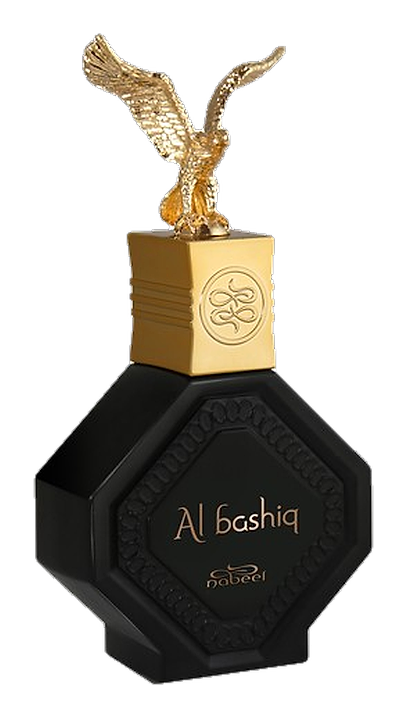
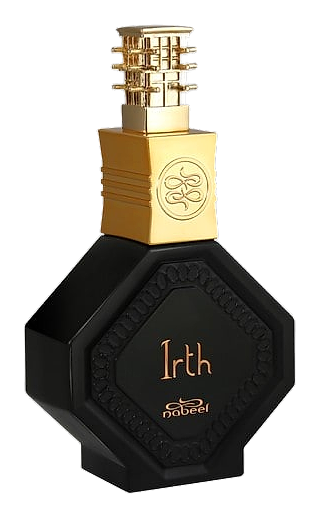
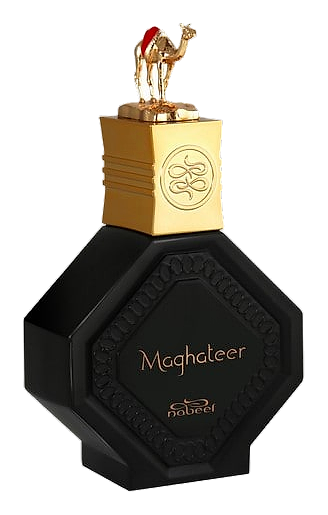
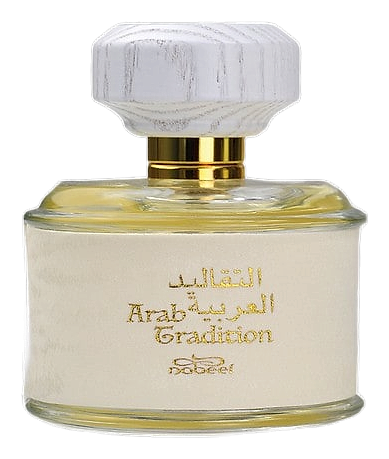
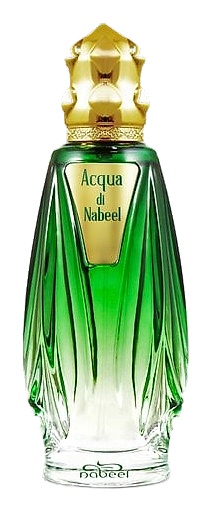
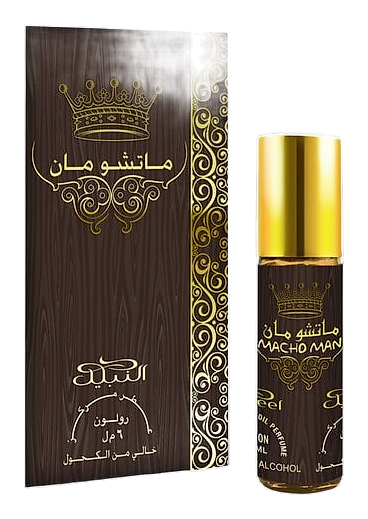
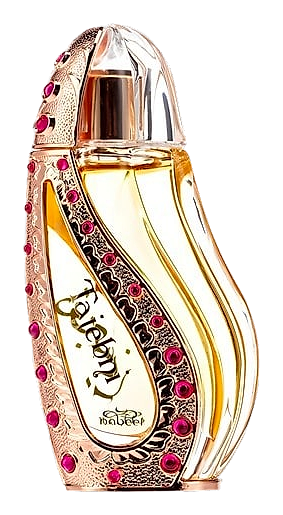
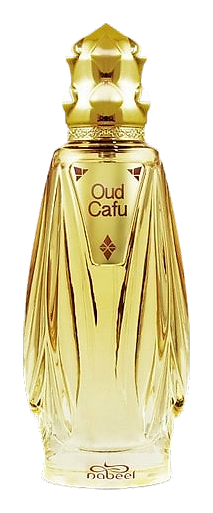
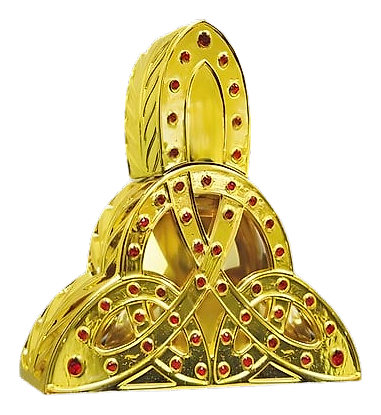
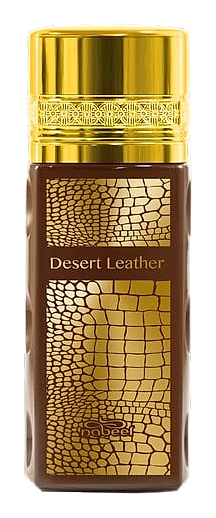
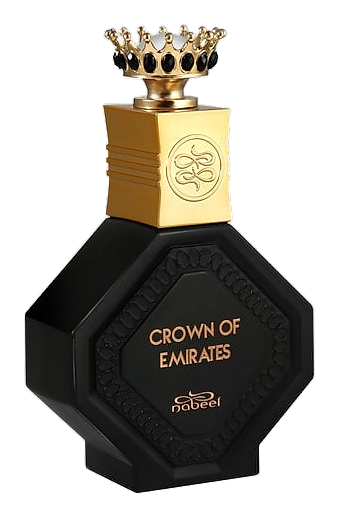
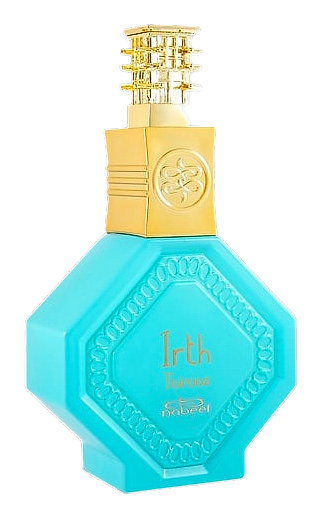
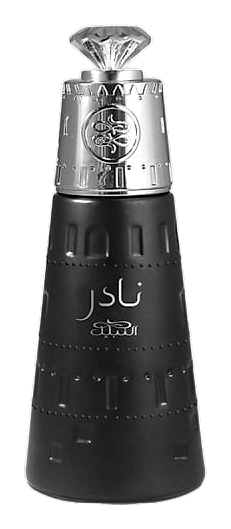
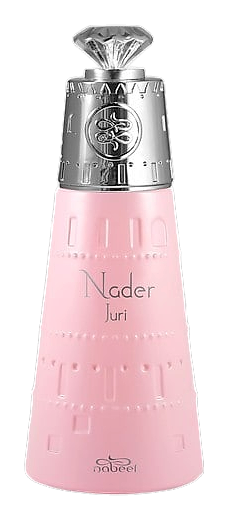
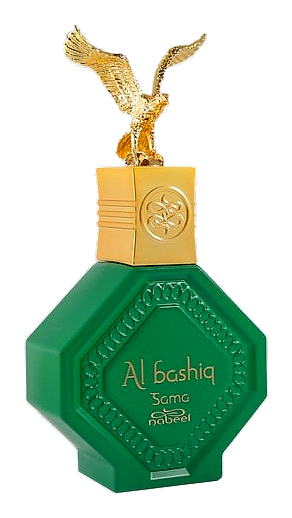
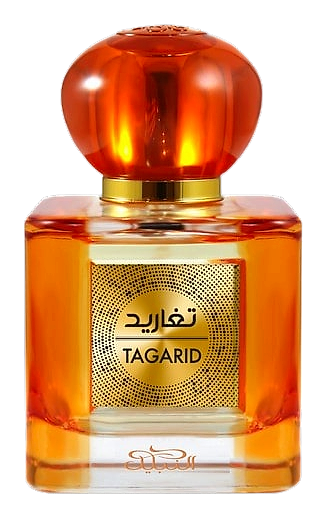
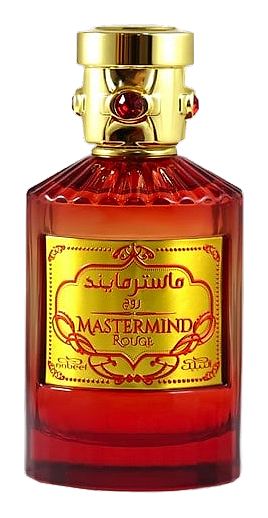
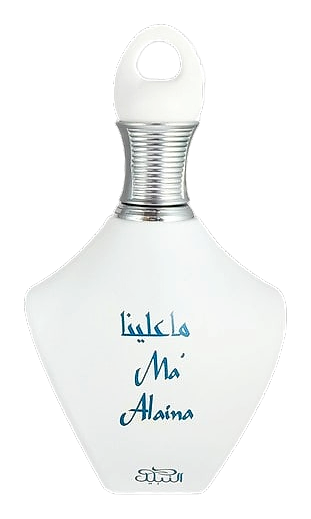
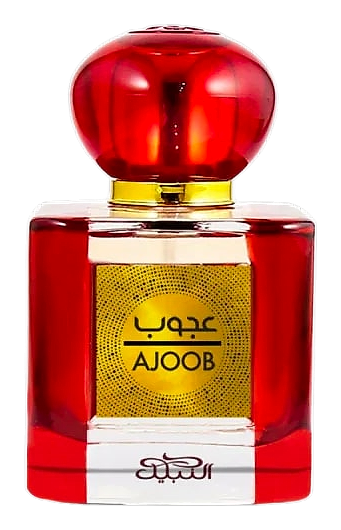
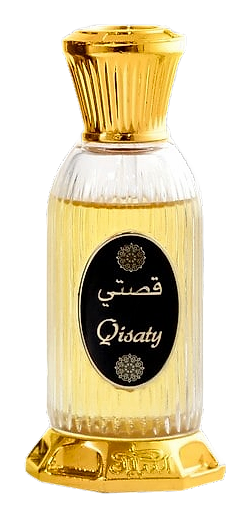
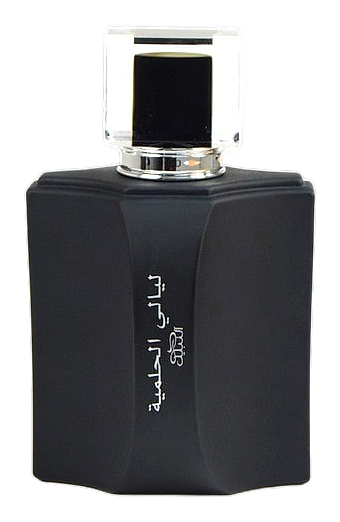
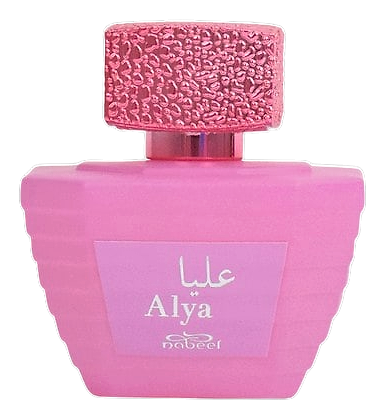
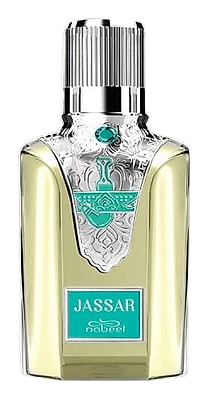
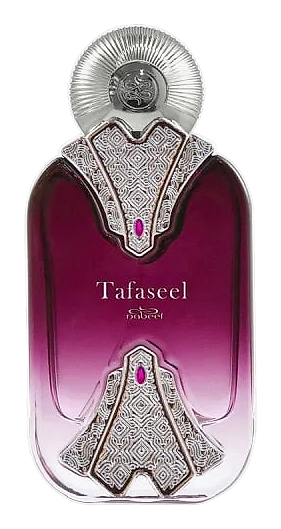
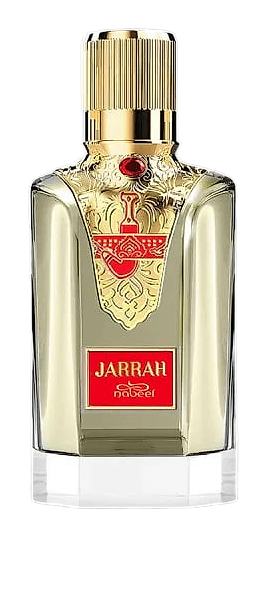
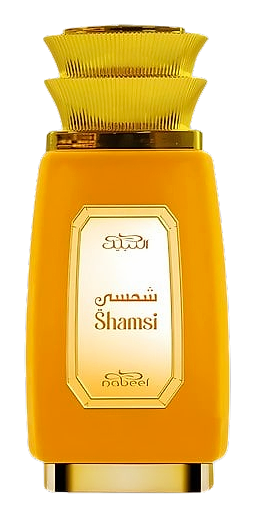
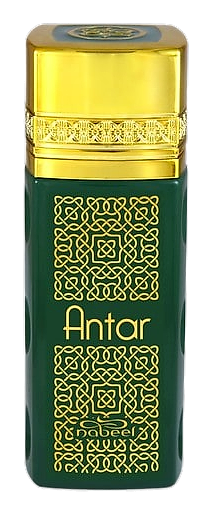
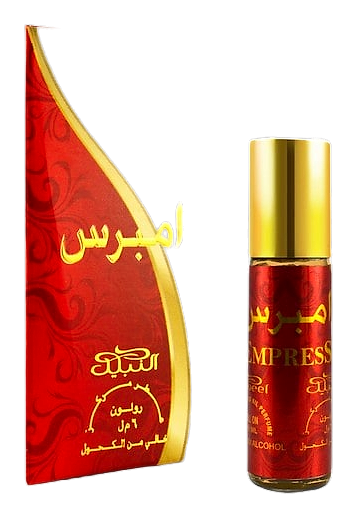
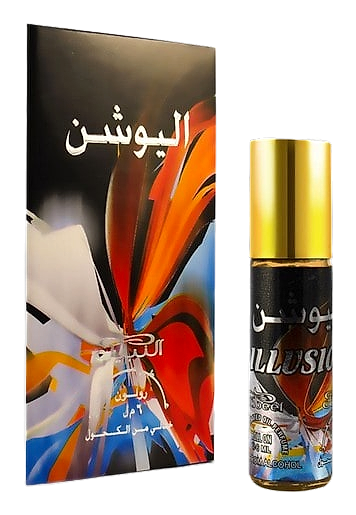
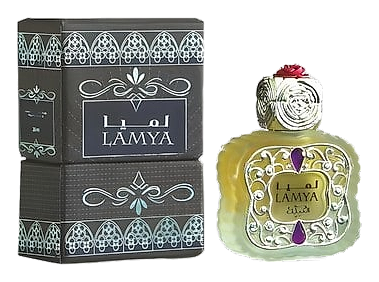
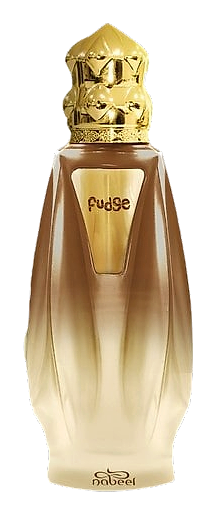
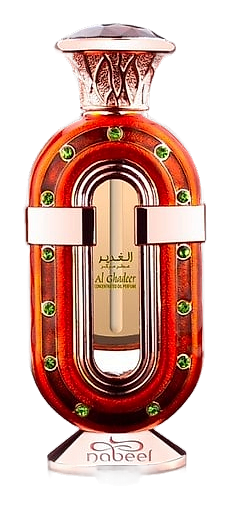
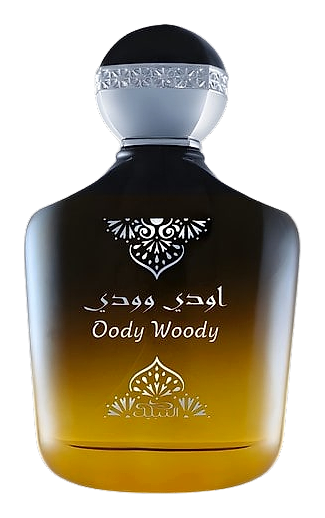
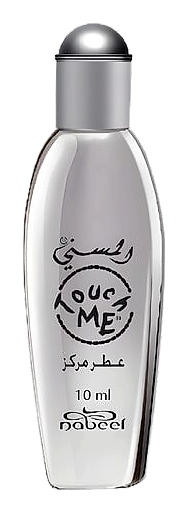
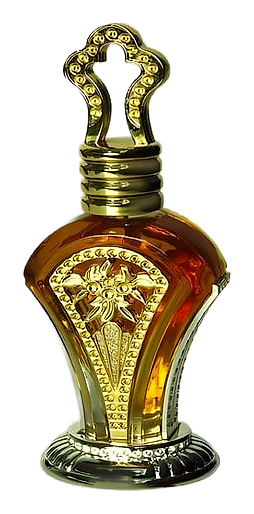
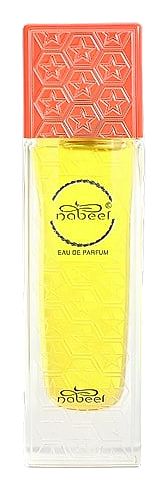
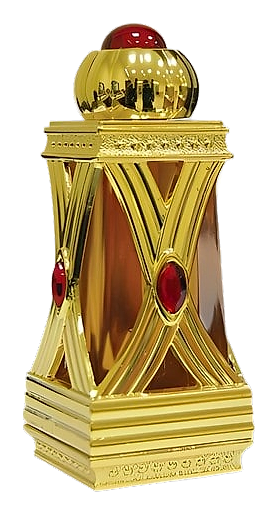
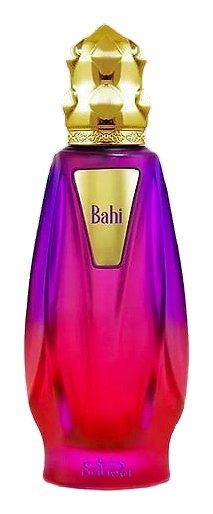
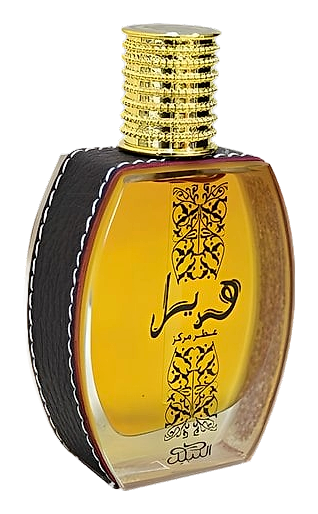
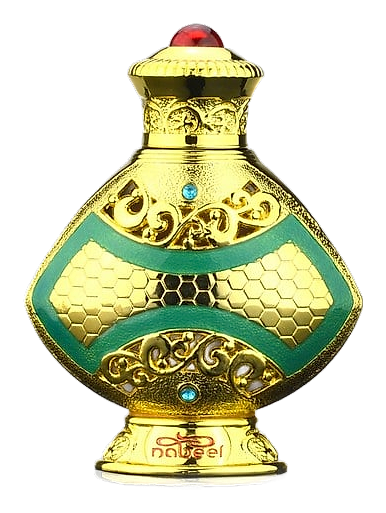
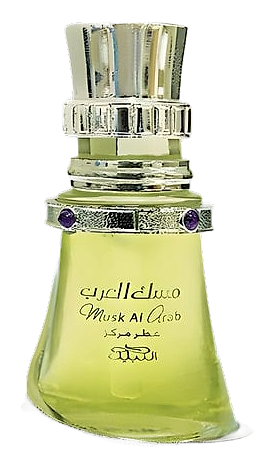
    Visually, Nabeel’s identity leans toward a restrained elegance that echoes its name’s meaning, "noble." Bottles typically feature a deep amber or dark green glass, capped with a polished gold or brass top that bears the brand’s Arabic calligraphy. The label design employs a clean sans‑serif typeface for the English name, while the Arabic script is rendered in a traditional thuluth style, creating a bilingual visual dialogue. The packaging box often incorporates a textured matte finish, with subtle embossing of geometric patterns inspired by Islamic architecture. Color palettes are muted—deep burgundy, sable brown, and midnight blue—allowing the fragrance’s hue to become the focal point. For limited‑edition releases, such as the 2024 Heritage Man, Nabeel introduces bespoke elements like hand‑etched motifs or silk ribbons, but always within the same restrained framework. Retail spaces reflect the same aesthetic: wooden display units with soft, warm lighting, and scent strips arranged in a linear fashion that encourages tactile exploration. The brand’s website mirrors this visual language, using high‑resolution photography that emphasizes the tactile qualities of the bottle and the richness of the oil. Overall, Nabeel’s visual presentation seeks to convey a sense of timelessness, aligning the look of the product with the enduring nature of its scent compositions.

    Philosophy

    Nabeel presents itself as a steward of Arabic perfume tradition, emphasizing the preservation of scent structures that have been passed down through generations. Public statements from the company highlight a belief that fragrance should convey a sense of place and memory, often referencing the desert, spice routes and historic courts. The brand’s creative direction prioritizes natural raw materials—particularly agarwood, frankincense and regional florals—over synthetic substitutes, a stance that aligns with a broader regional movement toward authenticity. In interviews, senior perfumers associated with Nabeel have spoken about a collaborative process that blends the founder’s original recipes with contemporary olfactory research. The house seeks to balance reverence for classic accords (such as oud‑amber‑rose) with subtle innovations, like incorporating Indian sandalwood or Moroccan citrus into a traditionally heavy base. This approach reflects a philosophy that evolution need not abandon heritage, but rather can reinterpret it for modern sensibilities. Nabeel also stresses a consumer‑centric ethic: each fragrance is formulated to last several hours on skin, a characteristic valued by collectors who favor oil concentrations. The brand’s marketing materials repeatedly reference the idea of “nobility”—both in the literal meaning of its name and in the perceived stature of its scent narratives—yet these claims are framed as cultural observations rather than superlative marketing language. Overall, Nabeel’s philosophy can be summed up as a commitment to craft, continuity and a respectful dialogue between past and present olfactory vocabularies.

    Key Milestones

    1969

    Asghar Adam Ali (Al Attar) establishes Nabeel in Aden, Yemen, focusing on oil‑based Arabic fragrances.

    1972

    Company relocates to Dubai, setting up a workshop in the Al Quoz industrial area.

    1985

    Introduction of the first spray‑type perfume, expanding the brand’s format offerings.

    1998

    Opening of a flagship boutique in London, marking Nabeel’s first major European retail presence.

    2016

    Launch of Shahrezad, a narrative‑inspired fragrance that garners coverage in regional trade journals.

    2018

    Release of Dahn Al Oud Hindi, featuring Indian‑sourced agarwood and highlighting global ingredient sourcing.

    At a Glance

    Brand profile snapshot

    Origin

    United Arab Emirates

    Founded

    1969

    Heritage

    57

    Years active

    Collection

    3

    Fragrances released

    Avg Rating

    4.0

    Community sentiment

    Release Rhythm

    2025
    3
    2024
    6
    2023
    3
    2022
    3
    2020
    1
    2019
    1
    2018
    4
    2016
    1
    nabeelperfumes.com

    Did You Know?

    Interesting Facts

    Distinctive details and defining moments that shape the house personality.

    01

    The brand’s name, Nabeel, translates to "noble" in Arabic, a meaning the founder has referenced in multiple interviews.

    02

    Although now headquartered in Dubai, Nabeel’s first store opened in Yemen, making it one of the few Gulf perfume houses with origins outside the UAE.

    03

    Nabeel sources agarwood (oud) from both Indonesia and India, reflecting a dual‑continent supply chain that is uncommon among regional perfume houses.

    04

    The company maintains a dedicated aging cellar where oil blends mature for up to a year before bottling, a practice more typical of fine whisky production than perfume.