The Story
Why it exists.
The beginning
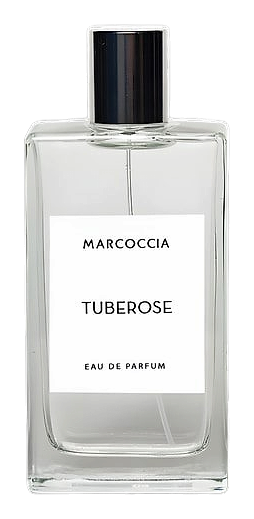
There is an old rule in perfumery that says a flower's name sells itself, and Tuberose by Marcoccia takes that lesson at face value. The fragrance was composed with a kind of editorial directness, a single botanical given its own runway rather than buried inside an abstract concept. Marcoccia built a name around clarity, letting the tuberose speak for itself without narrative scaffolding or marketing mystery. That kind of restraint is its own kind of confidence, the willingness to let one heavy, sweet, almost carnal white floral carry the entire composition. Tuberose, as a category, has always had that pull. It smells like warmth, like the inside of a garden at dusk, like something between a flower and skin.
The composition draws from a set of materials that do unexpected work together. Bergamot opens with a clean, slightly bitter brightness, the kind of citrus snap that keeps the first minutes from going flat. Mandarin orange layers in beside it, sweeter and rounder, adding a juicier top edge that softens the bergamot's sharper corners. Hyacinth threads through, green and aqueous, with that cool, almost dewy quality that reads like wet stems. Tuberose takes over the heart, and it does so with full weight, the dense, honeyed, slightly rubbery richness that makes the flower so recognizable.
The evolution
The first spray hits quick and almost deceptively clean. Bergamot and mandarin orange burst forward with a brightness that reads more like cold-pressed juice than syrup, sharp at the top and rounded almost immediately by the mandarin's natural sweetness. Hyacinth moves in fast, green and wet, carrying that cool, stem-snapped quality that keeps the citrus from tipping into candy. Within the first twenty minutes, the tuberose begins to take its seat at the center, that thick, garden-heavy white floral with all its indolic heat. It doesn't arrive politely. It shoulders its way past the green, and the green doesn't disappear so much as get absorbed into the white floral's cooler shadow. The tuberose at this stage is full-bodied, almost carnal, the part of the flower that smells like skin and warm air and something slightly medicinal.
Cultural impact
Tuberose, as a fragrance category, has always occupied a particular corner of the perfume world, the one reserved for flowers that refuse to behave. Unlike rose or jasmine, which can be softened into near-invisibility with the right blending, tuberose has a weight and an indolic heat that announces itself. Marcoccia's Tuberose sits inside that tradition, leaning into the flower's character rather than smoothing it into something safer. The fragrance reads as a modern single-flower study, composed for someone who already knows what tuberose smells like and wants it presented with clarity.
The House
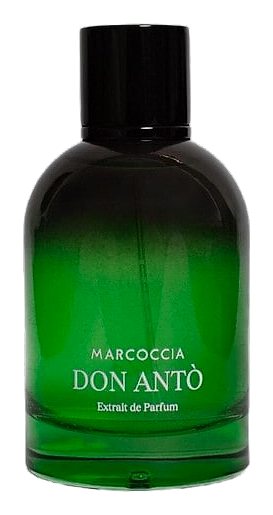
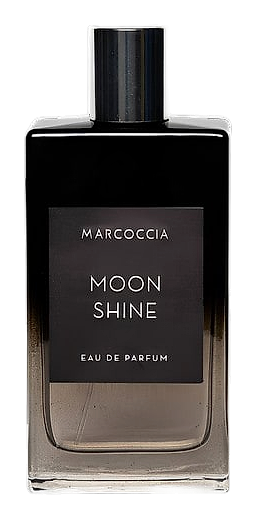
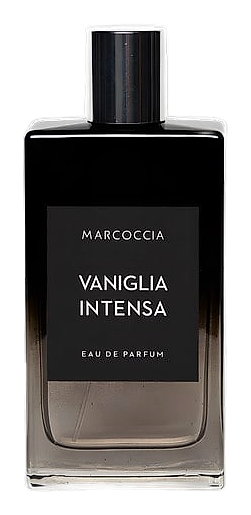
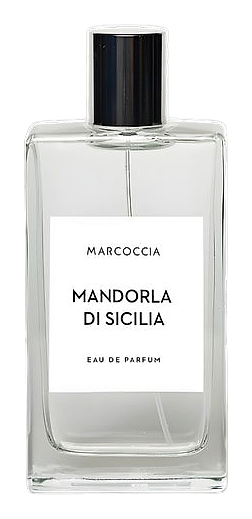
MarcocciaMarcoccia is an Italian niche fragrance house founded in 2006 by perfumer Andrea Marcoccia. The house occupies a distinctive space within Italian perfumery, creating scents that translate personal memories and Mediterranean landscapes into wearable compositions. Marcoccia's collection spans multiple olfactory territories, from the warm embrace of vanillas and patchoulis to the bright citrus groves of Sicily. The brand operates as an independent house, with Andrea Marcoccia serving as both founder and perfumer, a structure that allows complete creative control over every composition. The house publishes fragrances at a deliberate pace rather than seasonal releases, with notable works including Mandorla di Sicilia from 2009, Vaniglia & Patchouli and Vaniglia Intensa both from 2020, and several 2023 releases including Ombre Nomade, Discover, Panta Rei, and Moonshine. Each fragrance draws from Italian cultural touchstones, often referencing specific regions, memories, or family connections, positioning Marcoccia as a deeply personal project within the niche fragrance landscape.
The Creator
Andrea MarcocciaHis signature technique blends traditional Italian extraction methods with modern layering. He favors natural citrus absolutes, hand-pressed neroli, and sun-dried bergamot, pairing them with Mediterranean herbs such as rosemary and sage.