The Story
Why it exists.
The beginning
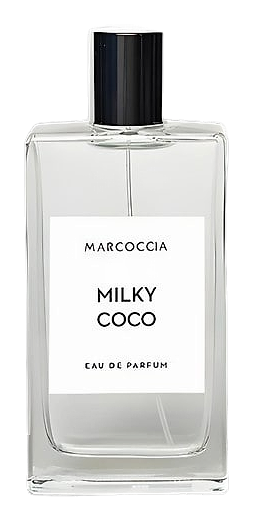
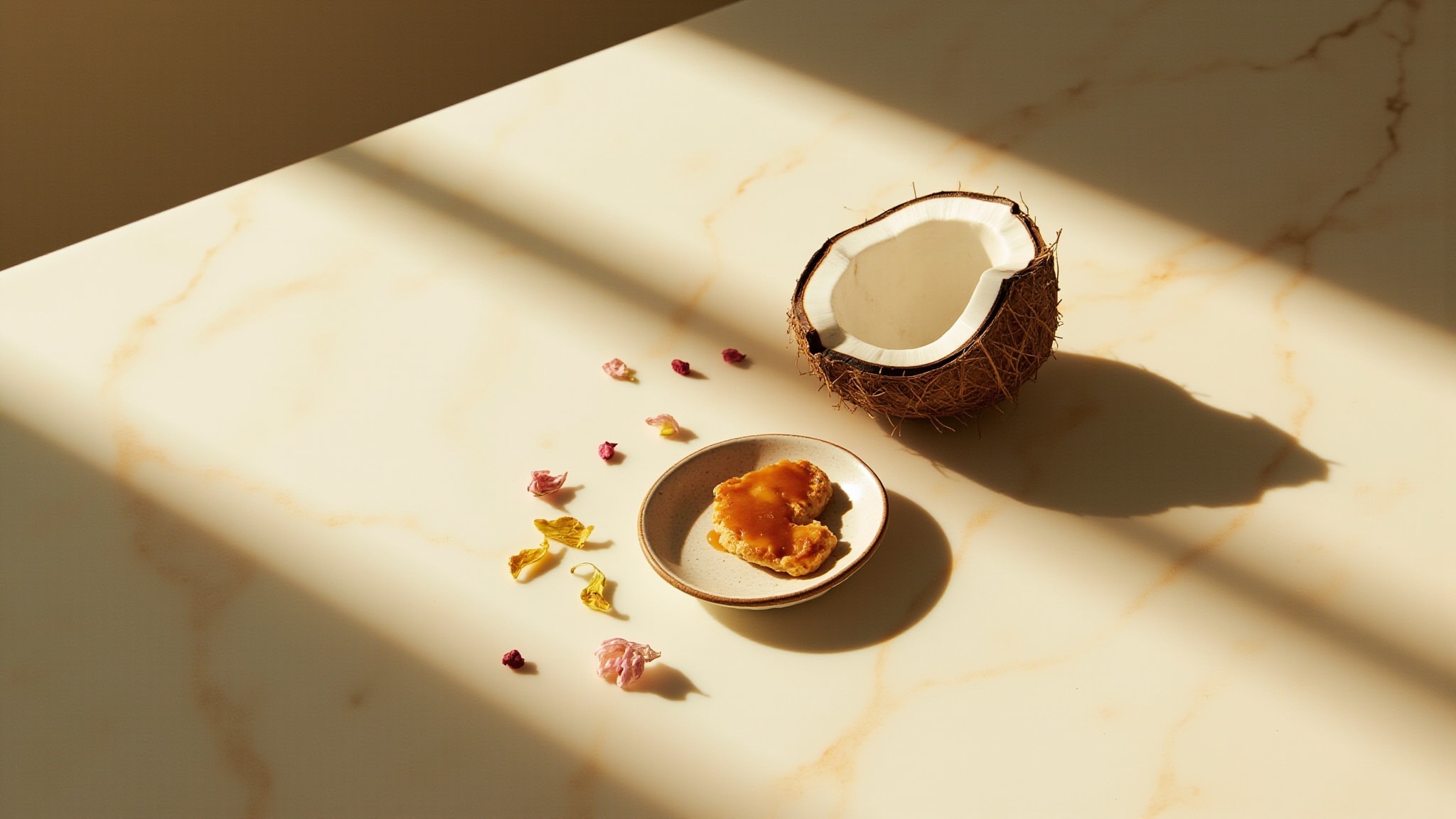
Milky Coco was created by perfumer Andrea Marcoccia as a balanced gourmand fragrance built around coconut, pink pepper, and warm vanilla. Its official description frames the idea simply and directly: a delicious composition where sweetness meets depth. The note pyramid gives that idea a richer frame, layering caramel, coconut milk, rose, jasmine, tonka bean, and a contrasting flash of pepper alongside the coconut. The result feels less like a literal dessert than a memory of one. Coconut begins with a rounded, tropical richness, its creaminess reading almost like the soft flesh of a freshly cracked nut rather than an artificial sweetness. Caramel brings a darker syrup-like warmth underneath, a slow pull of burnt-sugar depth that anchors the opening.
The interesting part is the handoff between materials that usually live apart. Coconut milk gives the composition its soft, almost creamy center, a texture that feels more tactile than a typical fruity top note would allow. Caramel makes the sweetness feel deeper and less airy, giving the accord a syrupy gravity that pulls everything slightly downward on the skin. Rose and jasmine bring a floral thread through the middle, keeping the gourmand profile from becoming completely dessert-like.
The evolution
The opening begins with a bright, rounded tropical impression. Coconut arrives first, creamy and immediately recognizable, while caramel warms it from underneath. Pink pepper adds a quick spark at the edge, making the sweetness feel less static. The first impression is smooth, but not entirely passive, the kind of scent that registers gently rather than demanding attention. As the fragrance settles, coconut milk becomes more prominent. The texture turns softer and more tactile, almost milky against the skin, while rose and jasmine introduce a gentle floral lift. The composition feels familiar here, like a dessert served in a sunlit kitchen rather than a formal confection, the kind of sweetness you remember from childhood without being able to place the exact moment. Sweetness remains central through the heart, but the floral notes keep it from becoming too narrow.
Cultural impact
Milky Coco brings together a coconut-driven gourmand profile with a spicy twist from pink pepper and a soft floral heart of rose and jasmine. The coconut here is rounded and creamy, working alongside caramel for warmth, while vanilla and tonka bean ground the finish with their familiar sweetness. Pink pepper adds a small lift at the top, keeping the sweetness from feeling flat. The fragrance reads as warm and approachable, with a creamy texture that suits wearers drawn to soft, edible-leaning scents without pushing the sweetness into territory that overwhelms.
The House
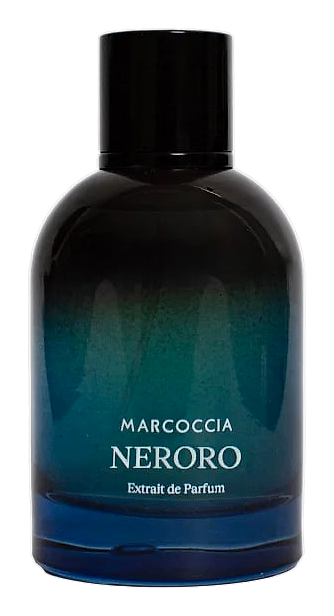
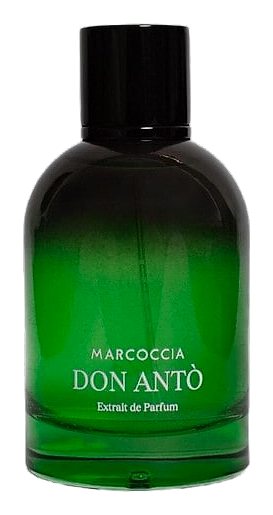
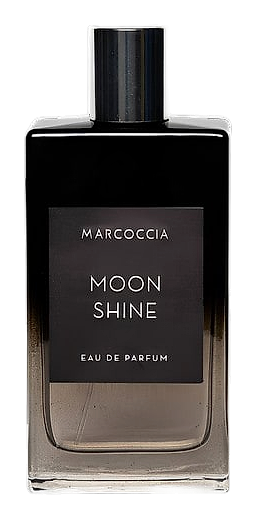
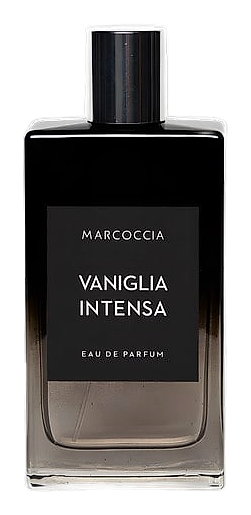
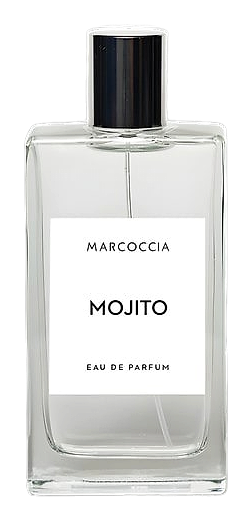
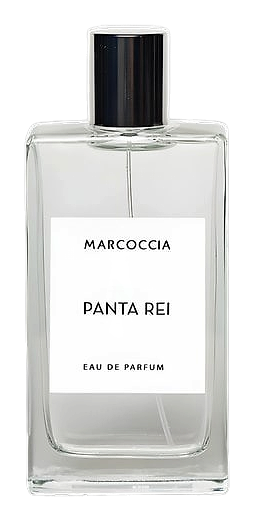
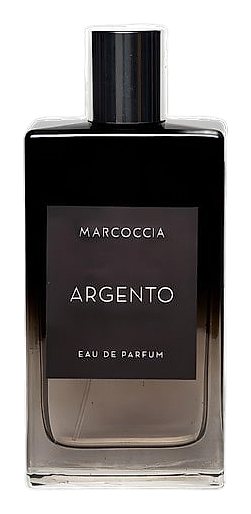
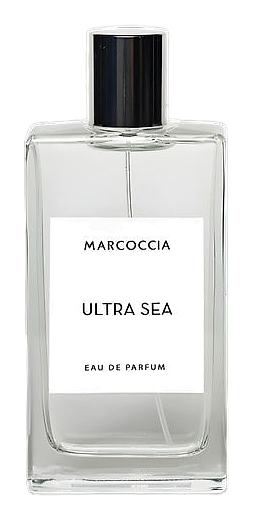
MarcocciaMarcoccia is an Italian niche fragrance house founded in 2006 by perfumer Andrea Marcoccia. The house occupies a distinctive space within Italian perfumery, creating scents that translate personal memories and Mediterranean landscapes into wearable compositions. Marcoccia's collection spans multiple olfactory territories, from the warm embrace of vanillas and patchoulis to the bright citrus groves of Sicily. The brand operates as an independent house, with Andrea Marcoccia serving as both founder and perfumer, a structure that allows complete creative control over every composition. The house publishes fragrances at a deliberate pace rather than seasonal releases, with notable works including Mandorla di Sicilia from 2009, Vaniglia & Patchouli and Vaniglia Intensa both from 2020, and several 2023 releases including Ombre Nomade, Discover, Panta Rei, and Moonshine. Each fragrance draws from Italian cultural touchstones, often referencing specific regions, memories, or family connections, positioning Marcoccia as a deeply personal project within the niche fragrance landscape.
The Creator
Andrea MarcocciaHis signature technique blends traditional Italian extraction methods with modern layering. He favors natural citrus absolutes, hand-pressed neroli, and sun-dried bergamot, pairing them with Mediterranean herbs such as rosemary and sage.