
The Story
Why it exists.
The beginning
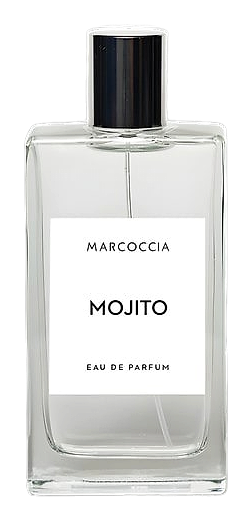
Mojito arrived in 2013 from Andrea Marcoccia, the perfumer behind every composition in the Marcoccia house. The name is literal and it doesn't pretend otherwise. Mint, lime, sugar, the architecture of a cocktail that needs no translation. But this isn't flavored water wearing a fragrance label. The juice inside earns the name. The composition reads like a study in restraint dressed up as a summer afternoon. Marcoccia keeps the structure simple on paper: a mint-lime top, a sugared warmth underneath, a vetiver backbone that pulls the sweetness back from tipping over the edge. Nothing performs. Nothing shows off. The mint has that particular coolness of leaves torn by hand, the lime carries the green pith bitterness that real fruit holds before sugar intervenes.
What makes this worth smelling twice is the way the composition handles the sugar problem. Sweet-cocktail fragrances can easily collapse into confection the second the gourmand notes land, and a mojito accord has no reason to behave any differently. Marcoccia solves it with vetiver, a dry, rooty, slightly bitter green presence that functions as the structural counterweight to all that sweetness. The mint-lime top is obvious, almost deliberately so, leaning into the fact that you already know what's coming.
The evolution
The first 15 minutes are almost aggressive in their freshness. Mint oil and lime hit the skin with a clarity that borders on sharpness, the way crushed ice in a glass feels before the liquid arrives. Then something relaxes. The citrus in the heart warms into a rounder shape, less sharp, more sunlit, and the sharpness of the opening gives way to something fuller. The mint recedes but doesn't leave. It becomes a cooling undercurrent rather than the headline, threading through the composition like the memory of the first sip. By the 2-hour mark, the sugar arrives, and this is where the fragrance makes its argument. It doesn't shout. The sweetness sits underneath, caramelized and soft, pulled back by the vetiver rising through it. That vetiver is the surprise.
Cultural impact
Since its 2013 release, Mojito has found an audience among wearers drawn to fragrances that reference familiar pleasures without reducing themselves to those references. The mint-lime accord taps into the long cultural familiarity most people have with the cocktail itself, translating that refreshment into scent. Within Marcoccia's catalog, the fragrance occupies a particular position as one of the more approachable compositions in a house known for direct, ingredient-led work.
The House
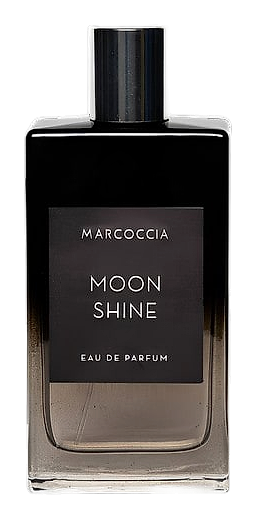
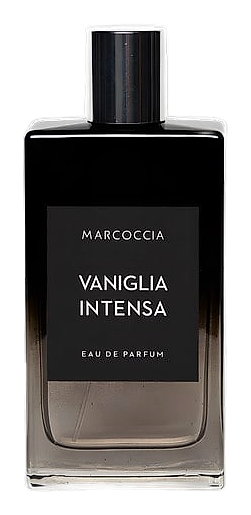
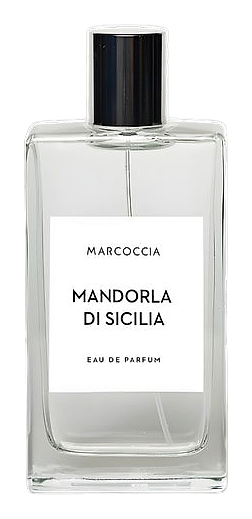
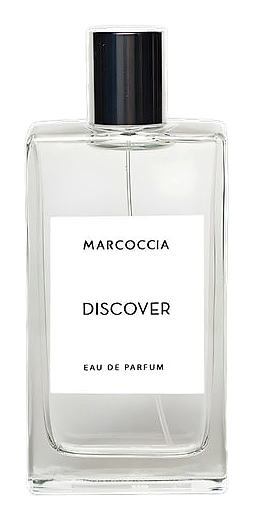
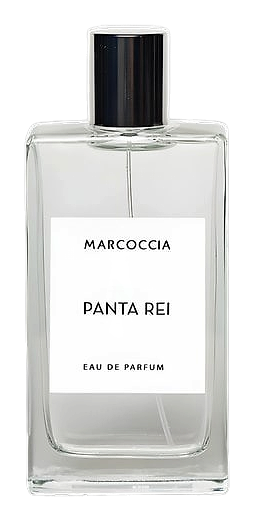
MarcocciaMarcoccia is an Italian niche fragrance house founded in 2006 by perfumer Andrea Marcoccia. The house occupies a distinctive space within Italian perfumery, creating scents that translate personal memories and Mediterranean landscapes into wearable compositions. Marcoccia's collection spans multiple olfactory territories, from the warm embrace of vanillas and patchoulis to the bright citrus groves of Sicily. The brand operates as an independent house, with Andrea Marcoccia serving as both founder and perfumer, a structure that allows complete creative control over every composition. The house publishes fragrances at a deliberate pace rather than seasonal releases, with notable works including Mandorla di Sicilia from 2009, Vaniglia & Patchouli and Vaniglia Intensa both from 2020, and several 2023 releases including Ombre Nomade, Discover, Panta Rei, and Moonshine. Each fragrance draws from Italian cultural touchstones, often referencing specific regions, memories, or family connections, positioning Marcoccia as a deeply personal project within the niche fragrance landscape.
The Creator
Andrea MarcocciaHis signature technique blends traditional Italian extraction methods with modern layering. He favors natural citrus absolutes, hand-pressed neroli, and sun-dried bergamot, pairing them with Mediterranean herbs such as rosemary and sage.