The Story
Why it exists.
The beginning
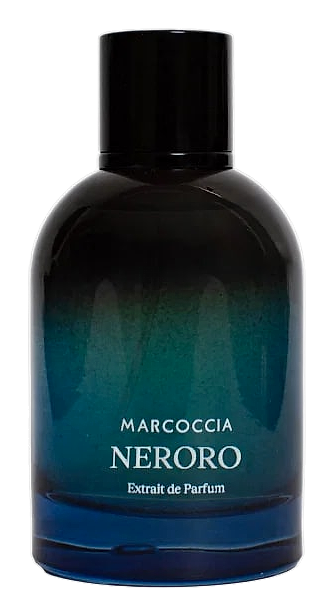
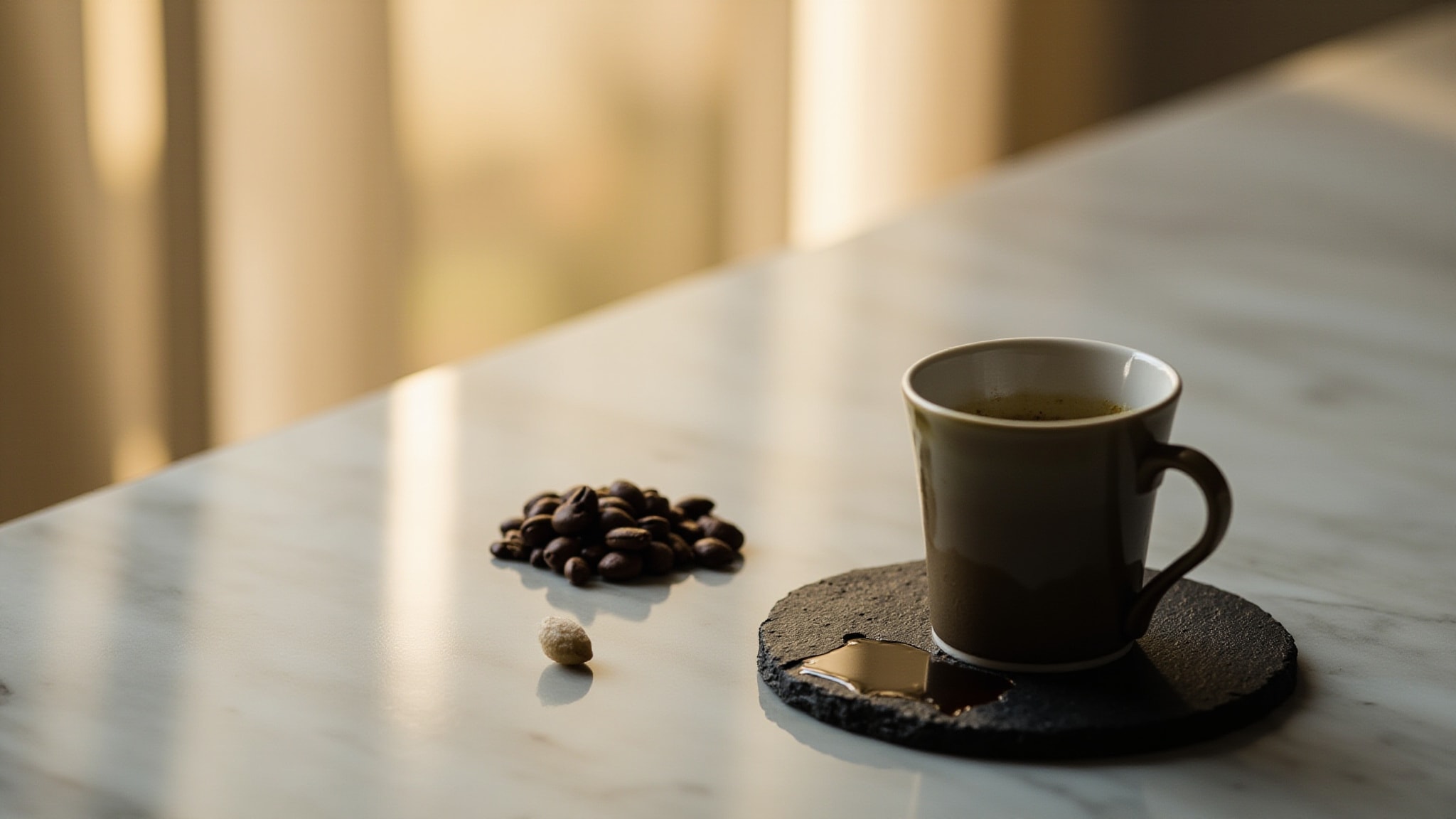
Neroro landed in 2025 as the latest composition from Andrea Marcoccia, the perfumer behind the Marcoccia house, a project that translates personal memory into scent. It's part of the Piaceri collection, a grouping of fragrances that Marcoccia has assembled under a single conceptual banner. The composition pulls toward a colder register than one might expect from a gourmand-leaning release: almond and aldehydes catching a frost, coffee going dark instead of milky. The whole thing feels like a memory of a bar in winter, not a terrace in July. Marcoccia composed Neroro as a study in contrast, using edible notes as a starting point and then stripping away their obvious warmth.
What's unusual here is the tension between the icy aldehydes and the warmth underneath. Aldehydes typically signal vintage sparkle or soapy lift. Used with coffee and almond, they create a frosted-glass effect: the gourmand notes are present, but separated from you by a thin cool barrier. The licorice adds another layer of strangeness. It's a note that lives in both confectionery and apothecary, and Marcoccia leans into the ambiguity rather than resolving it.
The evolution
The first ten minutes are all crackle. Aldehydes flash cold, almond goes slightly metallic, and the coffee hasn't fully woken up yet. There's a soapy, mineral brightness that could almost pass for cologne. Then the iris arrives and the temperature drops further, like stepping into a marble lobby. Violet folds in alongside it, bringing grey-blue powder. Around the thirty-minute mark, the coffee comes forward properly: dark, slightly bitter, and unsweetened. Licorice weaves through everything, adding a herbal edge that keeps the sweetness from cloying. The drydown shifts toward tonka bean and sandalwood, with the cashmere wood providing a soft, brushed-fabric finish. The licorice note is the one that outlives everything else, lingering on skin like a faint anise whisper that refuses to fully fade.
Cultural impact
Neroro contributes to ongoing discussions about how gourmand compositions can evolve beyond their sweet origins. The fragrance takes materials usually associated with edible comfort, almond, coffee, tonka, and treats them through a colder lens, using aldehydes and iris to introduce distance rather than immediate warmth. This approach places the composition in dialogue with a broader aesthetic current that values restraint and tension over obvious sweetness. As part of Marcoccia's 2025 Piaceri collection, Neroro carries forward a house identity built on personal memory and conceptual coherence.