The Story
Why it exists.
The beginning
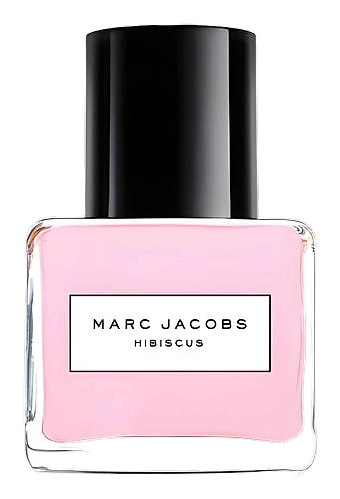
Tropical Splash Hibiscus landed in 2012 as part of Marc Jacobs' summer Splash collection, a trio that brought back the 2006 Rain alongside two new additions, Kumquat and Hibiscus. Richard Herpin built the composition around a floral-fruity idea that leaned tropical without going cartoonish. The shift from the original Splash lineup's oversized 300 ml bottles to a more practical 100 ml cube was a shift in format, something you could actually toss in a weekend tote instead of leaving on a bathroom shelf. The scent itself was framed as seductive and exotic, built on a core of hibiscus flower with the supporting cast of tiare, freesia, raspberry, and mandarin. It was the kind of fragrance Marc Jacobs does well: a seasonal mood, bottled without taking itself too seriously.
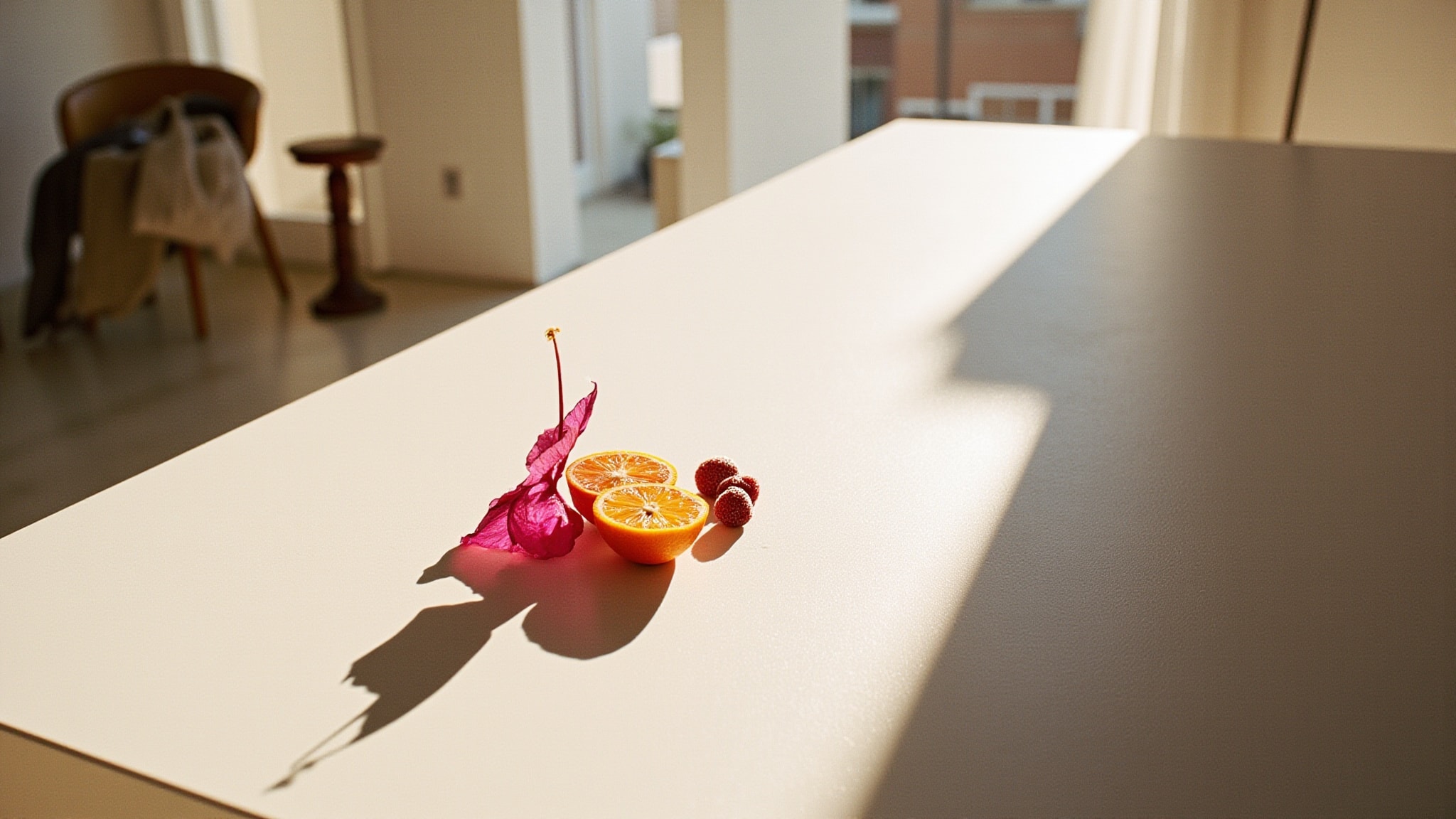
The interesting move here is the tiare. Most compositions lean on familiar florals for their heart. Herpin chose tiare instead, the Polynesian garden flower that already smells like coconut oil and warm skin before you do anything to it. Pair that with hibiscus, and the heart starts to read like a place rather than a bouquet. The raspberry and mandarin at the top aren't just sweetness, they give the fruit a spark, like citrus juice squeezed over something that was already ripe. It's tropical done with restraint rather than piña-colada shorthand.
The evolution
The first 15 minutes are the loudest this fragrance gets. Mandarin and raspberry arrive together, sharp and sweet in roughly equal measure, with peony adding a soft floral edge that keeps the fruit from turning into jam. It reads fizzy, almost like a chilled drink. Then the hibiscus, freesia, and tiare settle in, and the whole composition tilts warmer. The coconut-adjacent warmth of tiare does quiet work here, pulling the scent toward skin temperature instead of staying in the fruit-bowl register. The freesia keeps it from getting heavy. By the two-hour mark, the fruit has mostly stepped back, and the floral heart is what lingers on your collar. The drydown is musk, vetiver, and woods, and it's not dramatic. It's the scent of clean skin that's been outside all day, a faint warmth that sticks to fabric for a few hours after.
Cultural impact
Tropical Splash Hibiscus arrived as part of a summer seasonal release, which tells you exactly how the brand wants you to think about it. It's not a year-round signature, it's a mood. It's a fruity-floral composition that knows its lane and stays in it. Wearers tend to reach for it in the warmer months, and the moderate sillage means it works in close quarters rather than open spaces. It's built for vacation energy, for weekends and beach bags, for the kind of days when you want something cheerful and uncomplicated. The fragrance doesn't try to be a serious floral or an oriental powerhouse. It exists in its own bright, breezy category.
The House
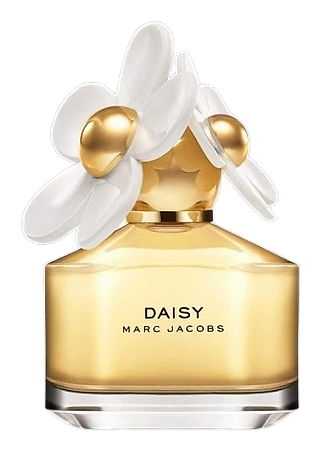
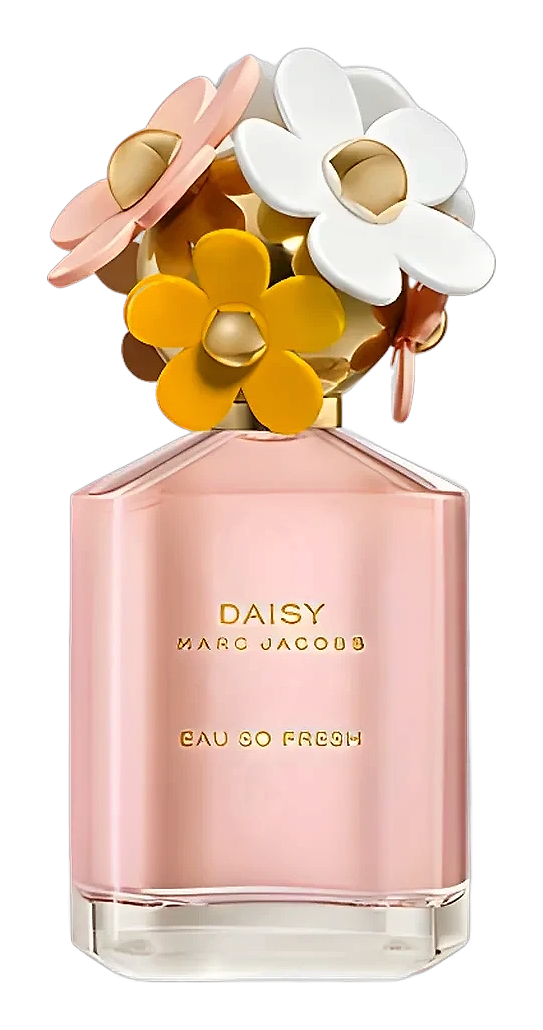
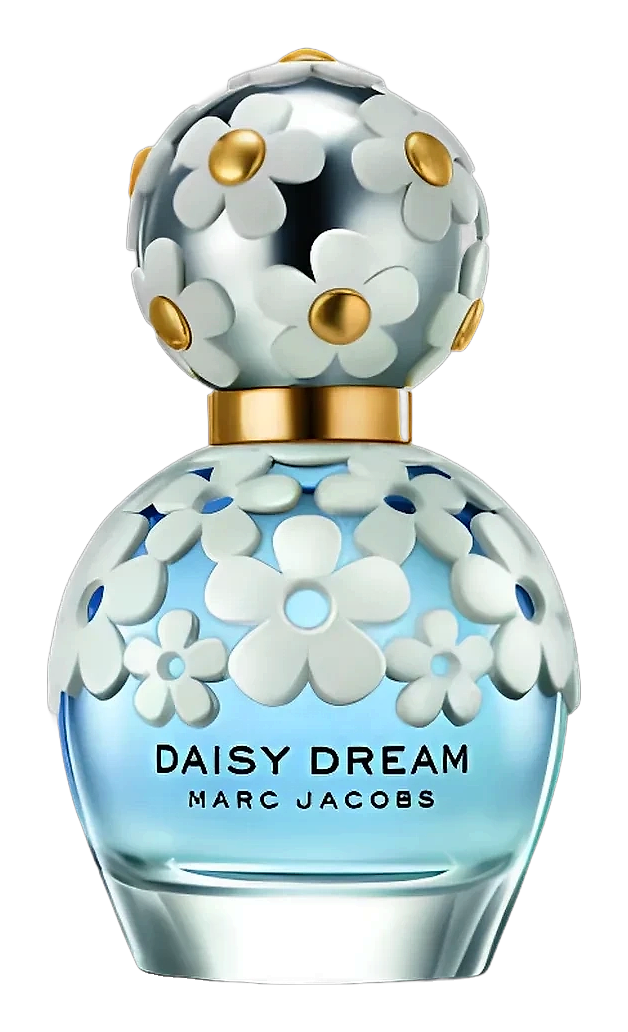
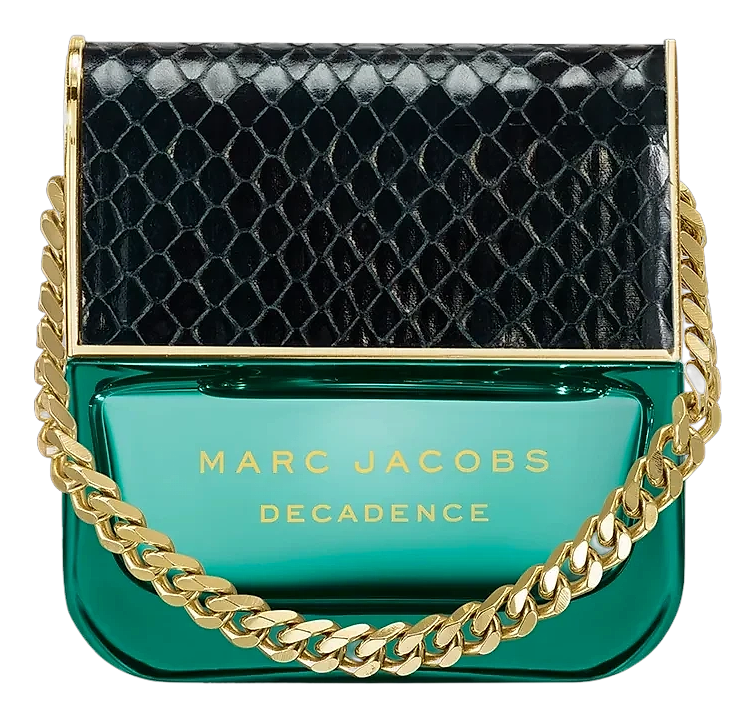
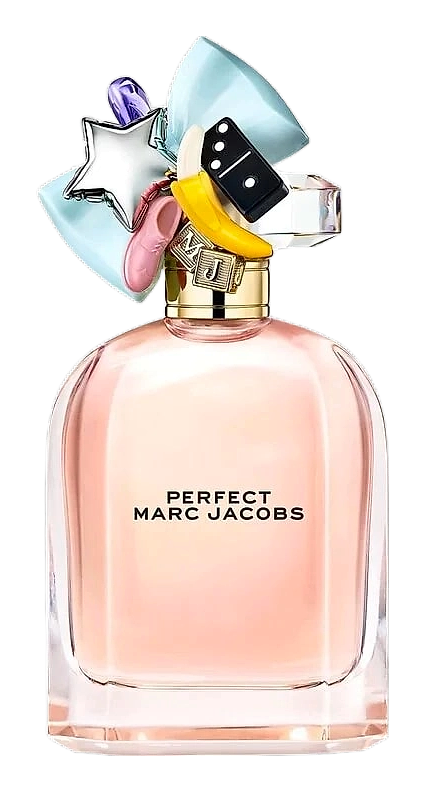
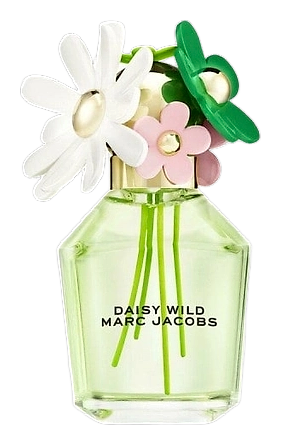
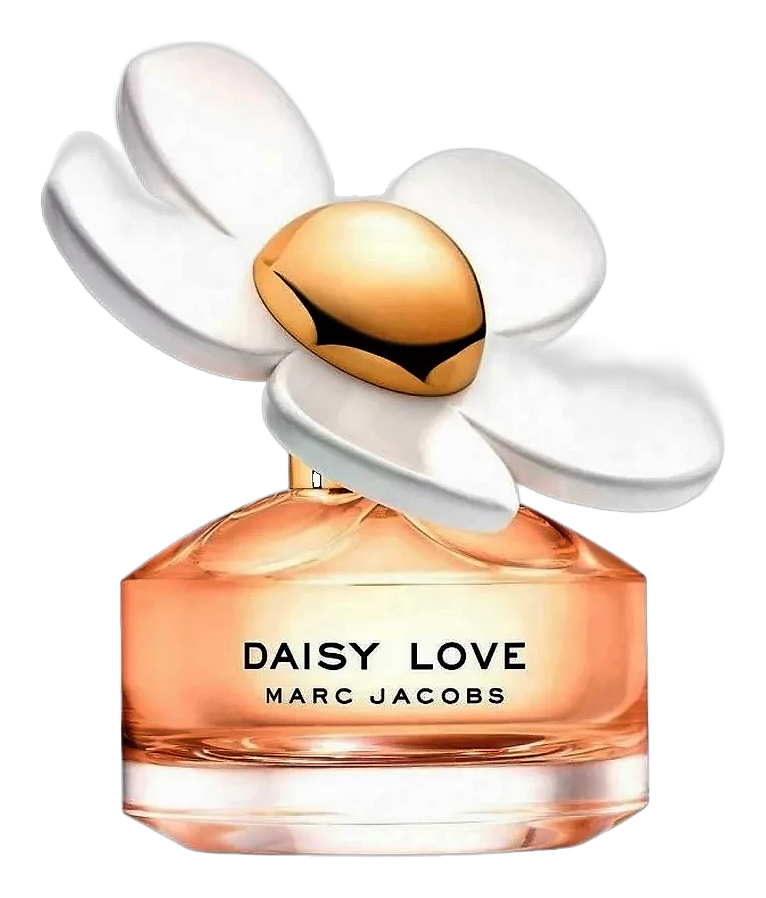
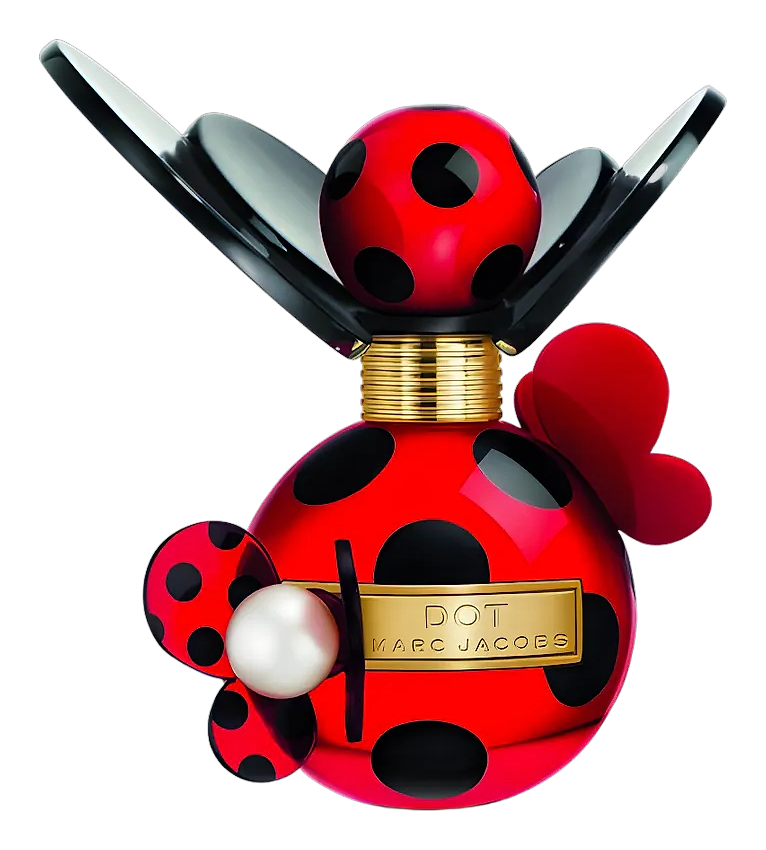
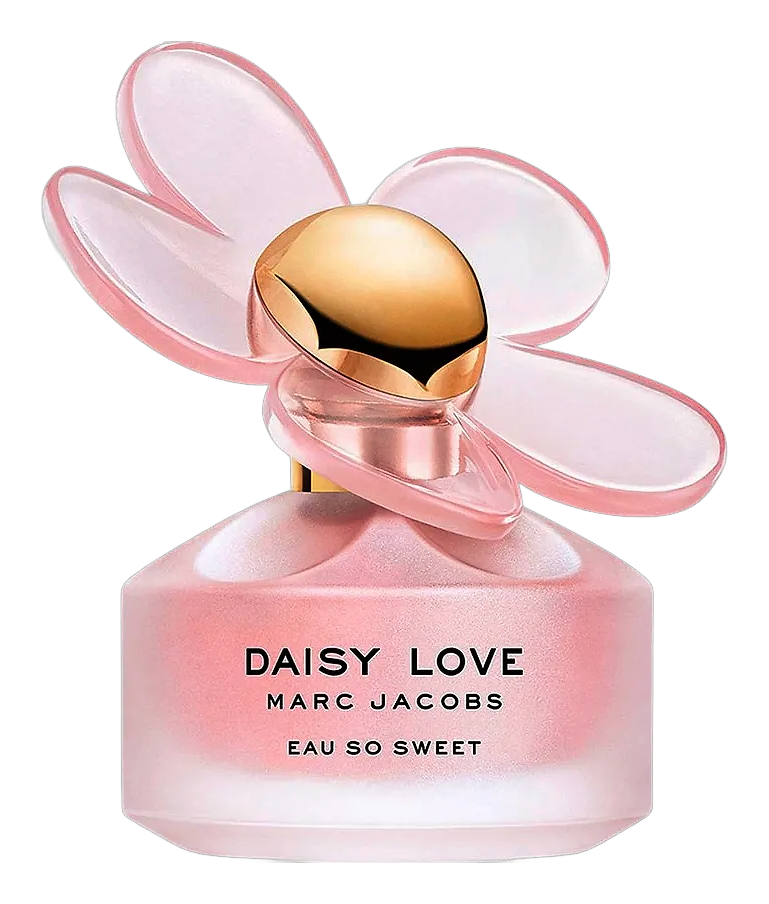
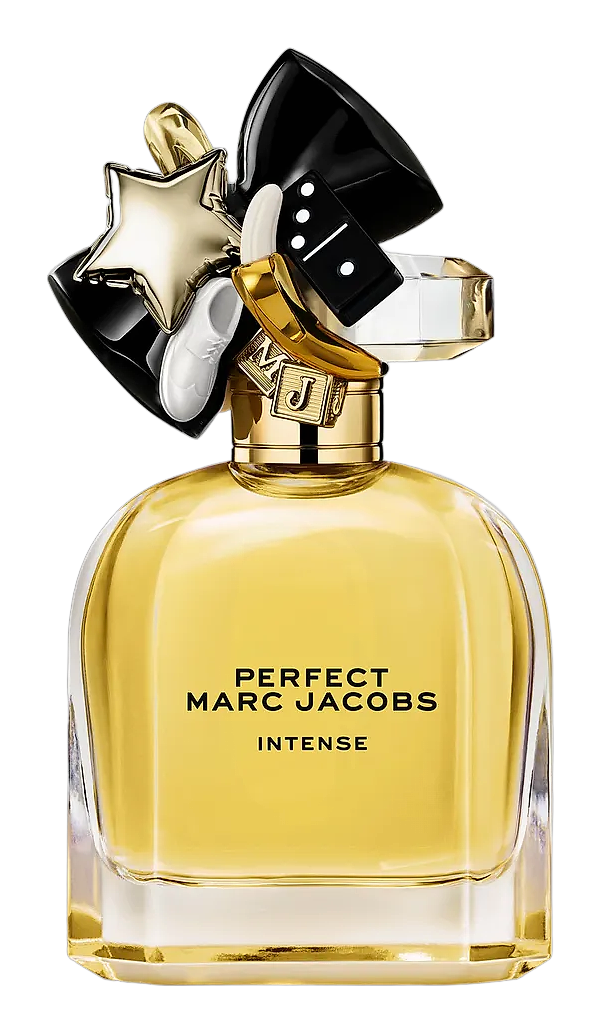
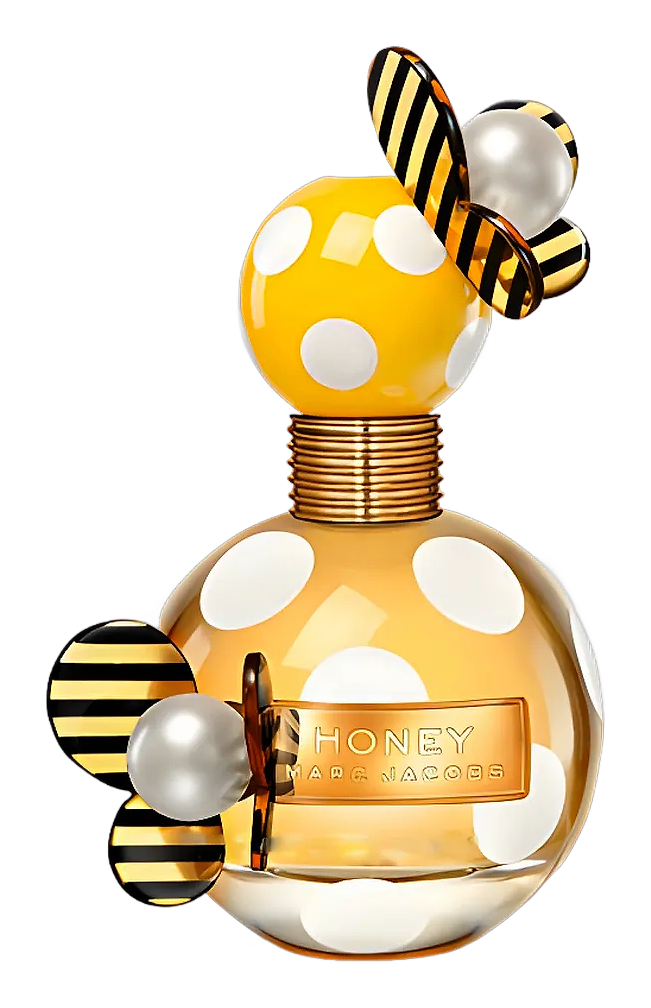
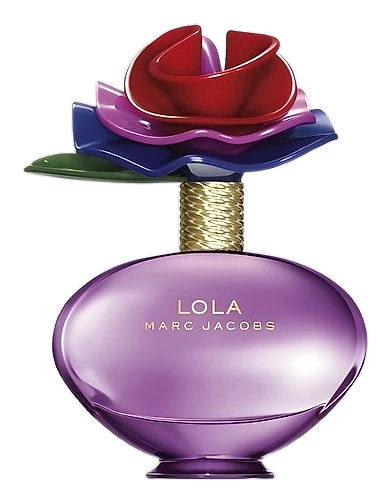
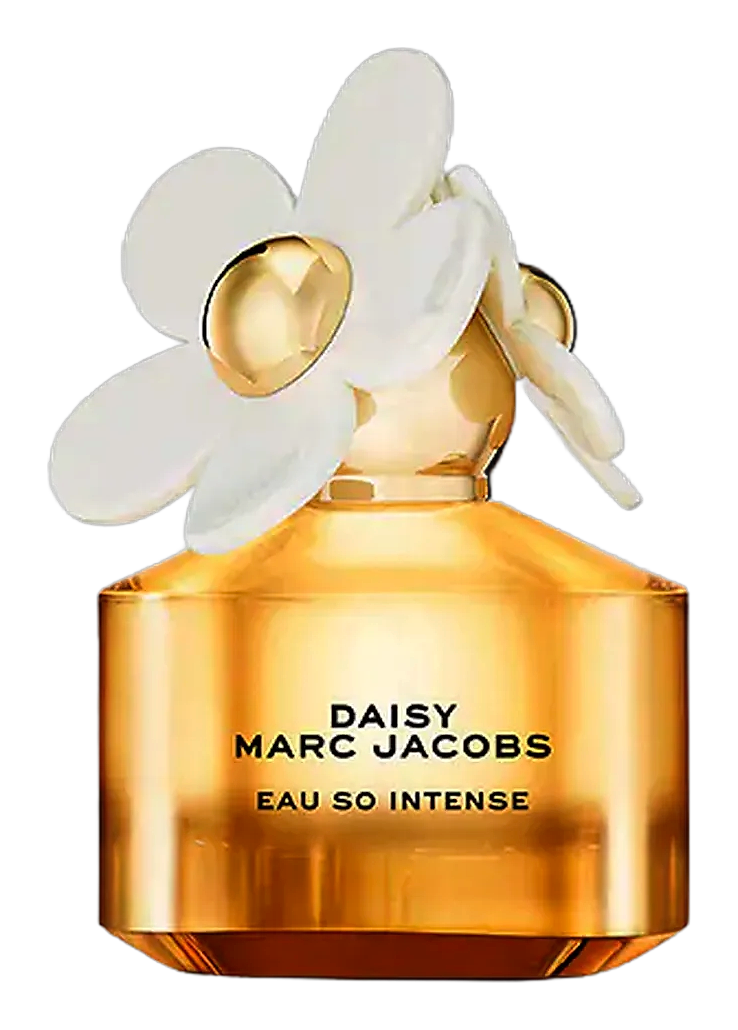
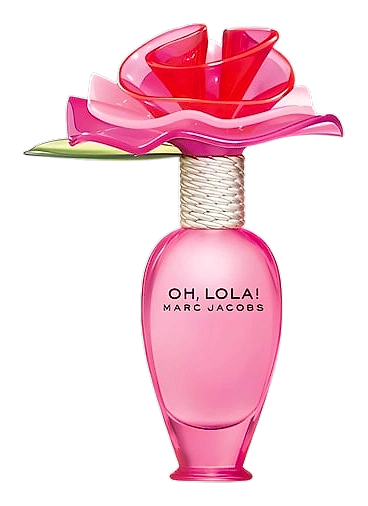
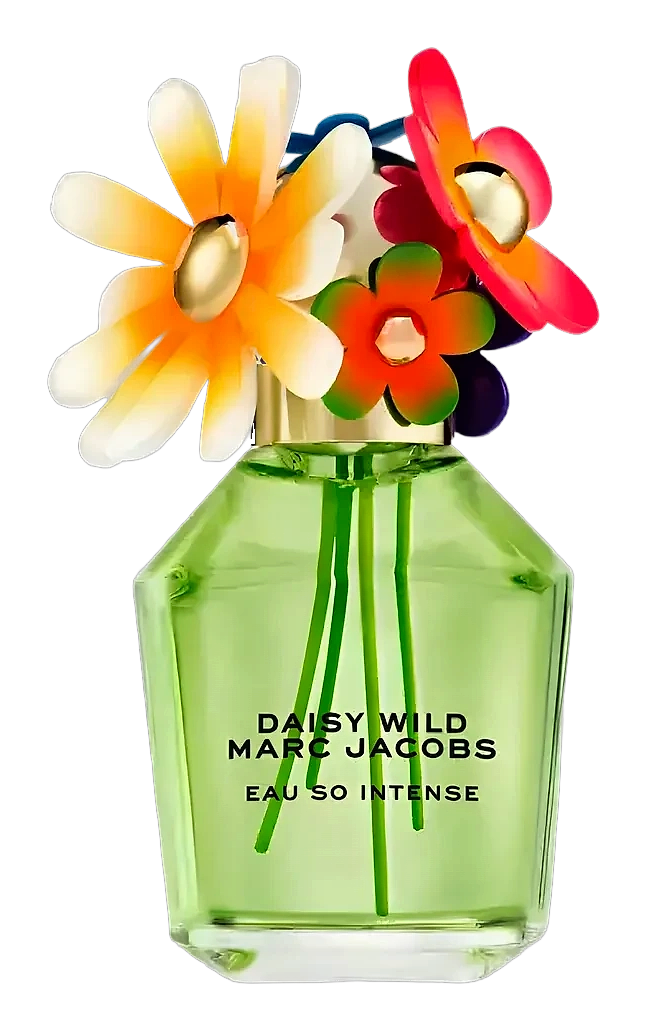
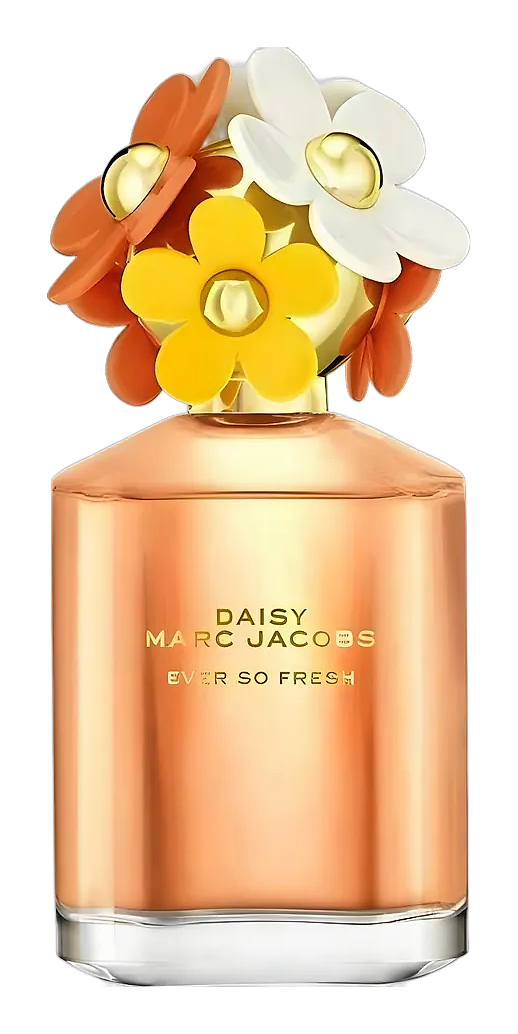
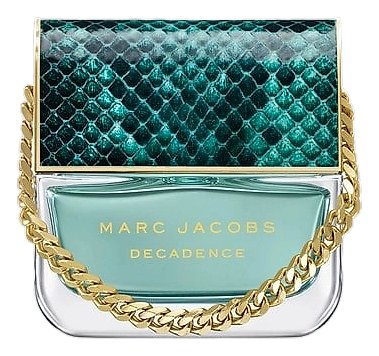
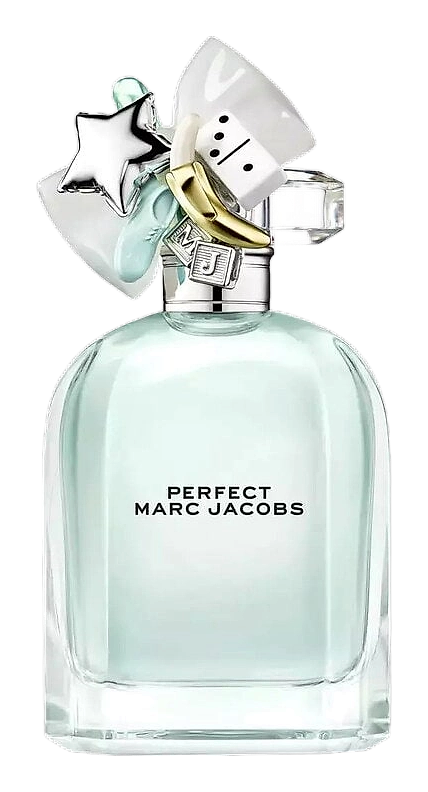
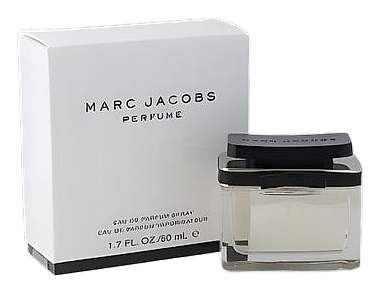
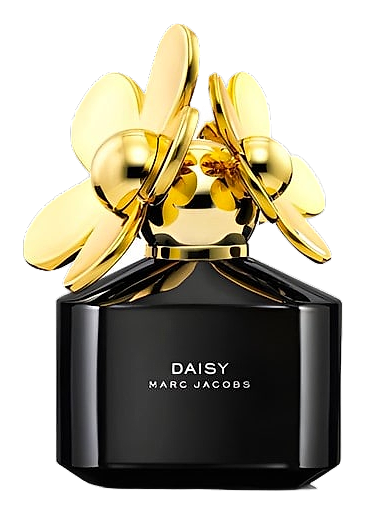
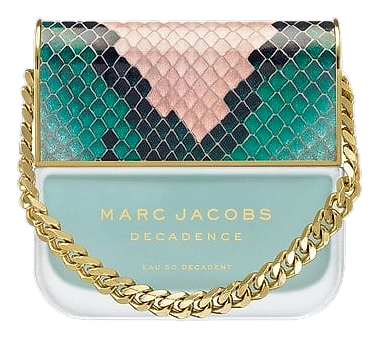
Marc JacobsMarc Jacobs fragrances, produced under license by Coty, launched in 2001 with Marc Jacobs for Women, followed by a companion men's scent in 2002. The brand has since built an extensive portfolio of fragrances anchored by signature lines including Daisy (2007), Lola (2009), Decadence (2015), and Perfect (2020). Daisy, named after Daisy Buchanan from F. Scott Fitzgerald's The Great Gatsby, quickly became a defining success for the brand, spawning numerous flankers and variations across multiple collections. The line's visual identity, with its oversized daisy cap atop a clean bottle, became one of the most recognizable silhouettes in contemporary perfumery. Decadence introduced a handbag-shaped bottle on a gold tasselled chain, a notably unconventional vessel for fragrance at the time of its launch. The brand has collaborated with a broad roster of perfumers over the years, including Annie Buzantian, Ann Gottlieb, Steve DeMercado, Loc Dong, Alberto Morillas, and Calice Becker, among many others. Marc Jacobs fragrances are available at major department stores worldwide and online.
The Creator
Richard HerpinHis style tends toward carefully constructed accords, often with a grounding base that allows brighter top notes to shine. He's not afraid to use synthetics alongside naturals, blending them seamlessly to create textures and effects that are both modern and timeless.