The Story
Why it exists.
The beginning
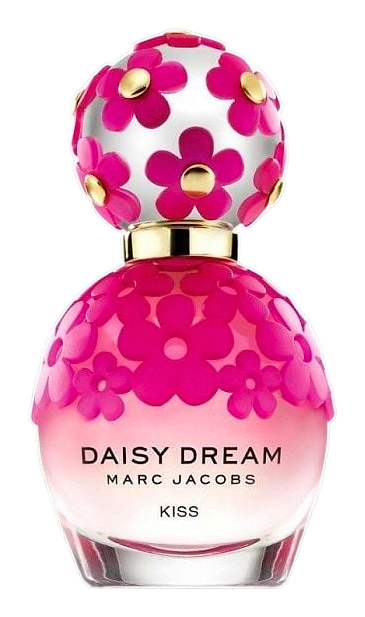
Daisy Dream Kiss arrived in 2017 as a limited flanker to Marc Jacobs's Daisy line. Amandine Clerc-Marie, working with DSM-Firmenich, composed the fragrance as a new direction for the franchise, one that keeps the recognizable spirit of Daisy but introduces a distinct fruity character. Blackcurrant and pineapple lead the composition, offering a juicy, almost jam-like tartness that feels unlike the lighter Daisy flankers that came before. The fragrance positions itself as a playful, fruit-forward entry in the Daisy world, a release that offers something different without abandoning the visual and olfactive codes the line is known for.
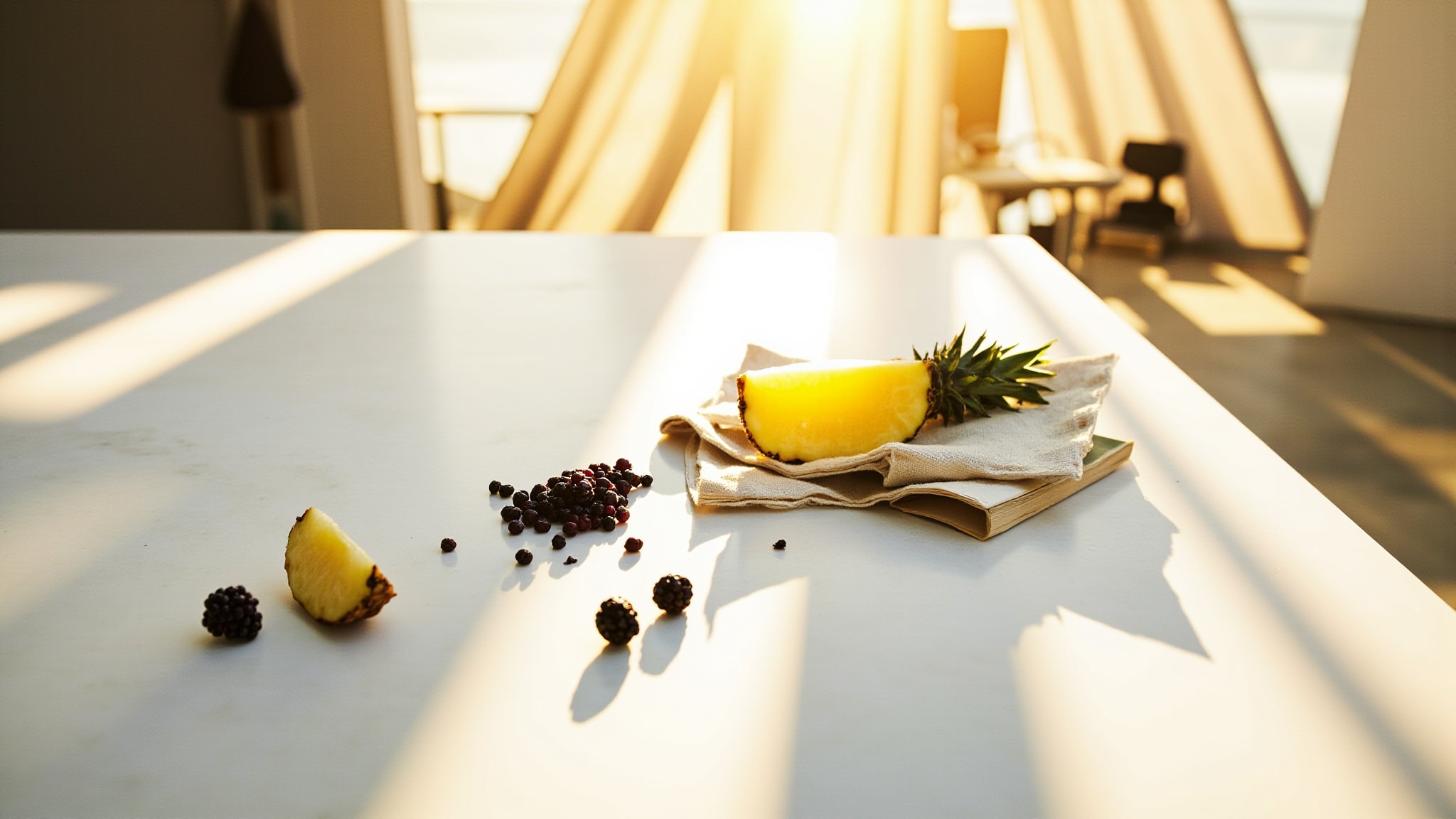
What's structurally interesting about this composition is the choice to lead with blackcurrant and pineapple at the top. Blackcurrant brings a tart, almost jammy depth, the kind of fruit note that reads darker and more substantive than a straightforward citrus opening. Pineapple layers in tropical sweetness with a slight acidic edge, bright enough to lift the blackcurrant without letting the opening collapse into something one-note. Pairing that opening with rhubarb in the heart is the real structural move.
The evolution
Daisy Dream Kiss opens with a bold burst of blackcurrant, grapefruit, and pineapple, a fruity introduction that sets the tone immediately. The top notes read juicy and bright, with the pineapple lending a tropical sweetness and the blackcurrant adding a darker, jammy dimension that keeps the opening from feeling thin. As the fruit settles, a freesia and jasmine heart softens the composition, the florals giving the fragrance a creamy, airy quality that balances the dense sweetness of the opening. From there, the drydown moves into an Ambroxan-cedar-musk base, where the cedarwood adds a quiet woody backbone and the musk keeps everything close to skin. As the hours pass, the fragrance softens into a warm, slightly musky haze, the fruit fading into the florals and the florals settling into the woods, each phase blending smoothly into the next.
Cultural impact
Daisy Dream Kiss arrived in 2017 as a limited flanker to Marc Jacobs's Daisy franchise. The release introduced a distinctly fruity direction to the line, pairing pineapple and blackcurrant in a way that felt different from the more floral-centered Daisy flankers that had come before. This combination gave the fragrance a tropical, sun-warmed character, one that placed it firmly in the category of warm-weather fragrances designed for casual, daytime wear.
The House
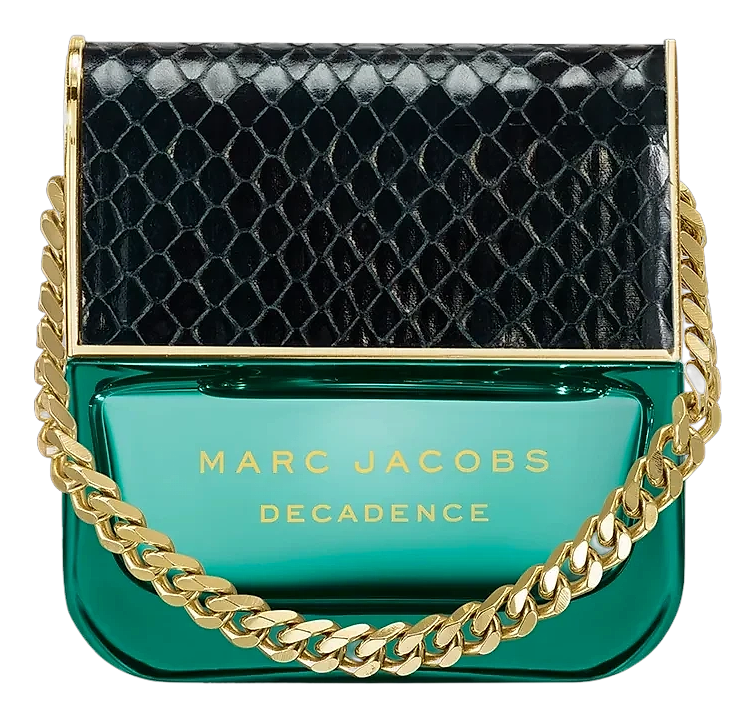
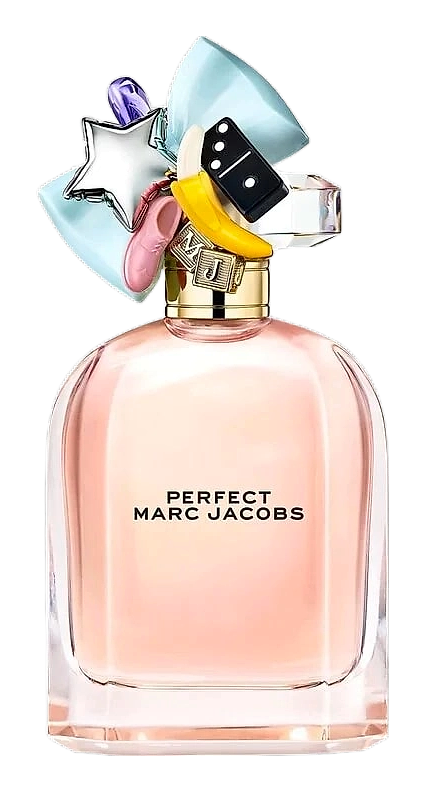
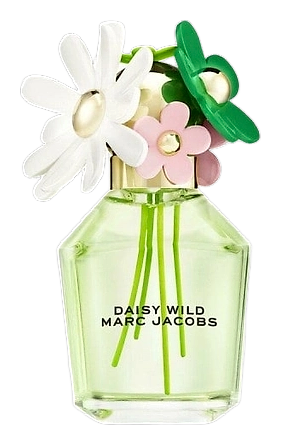
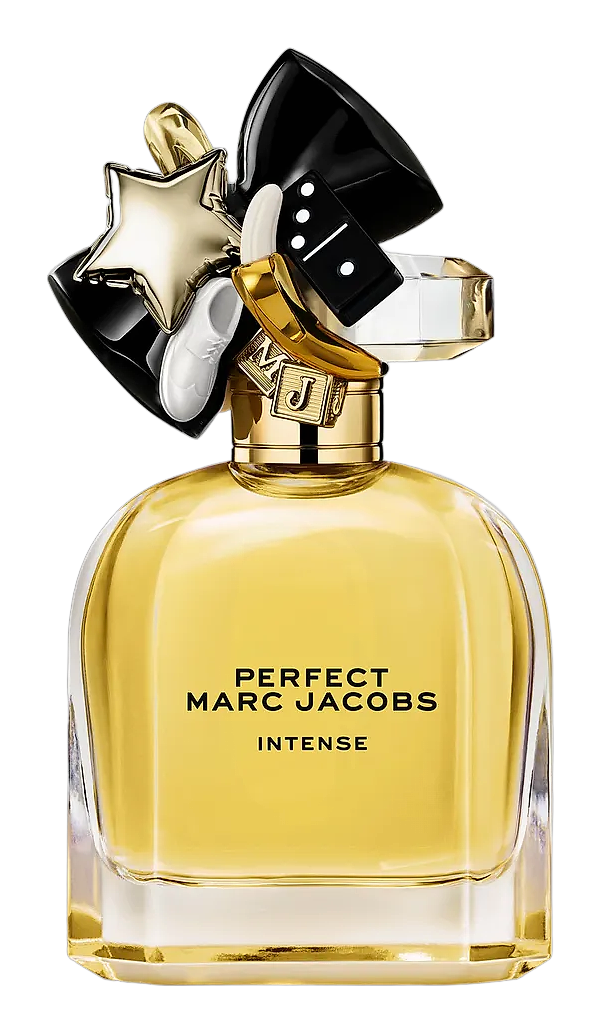
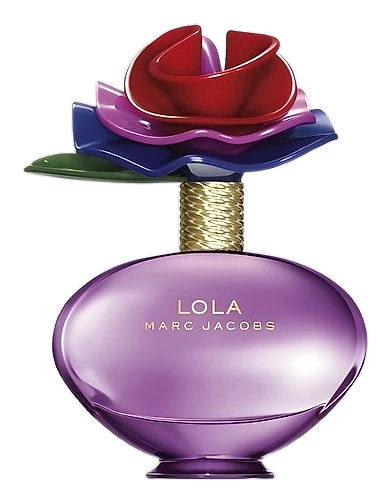
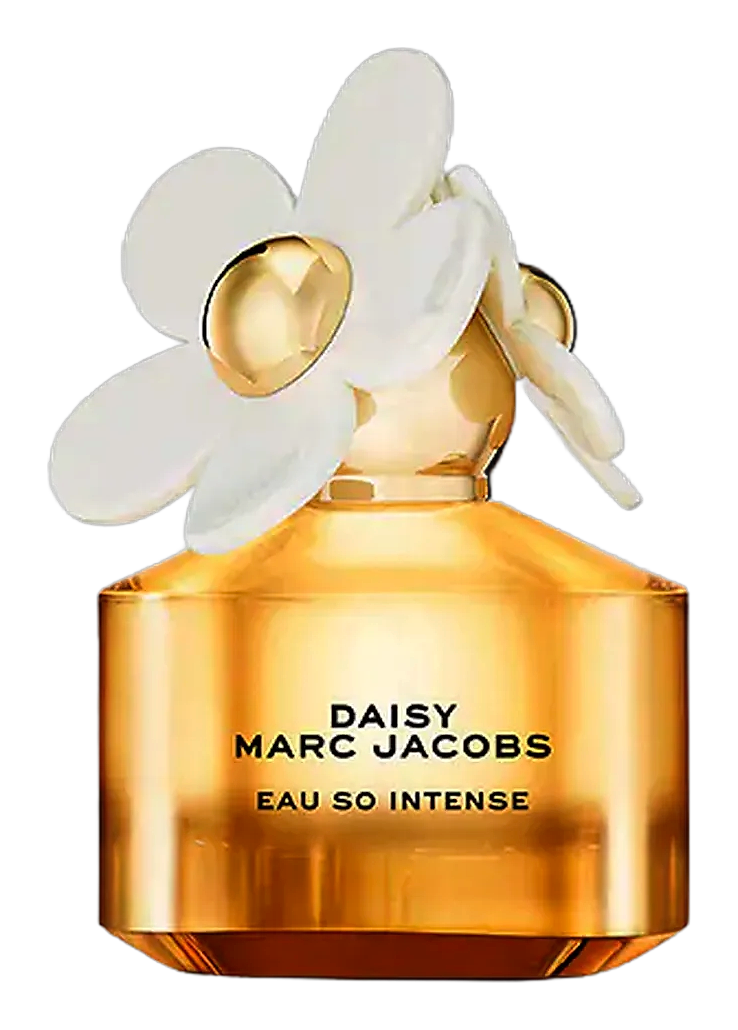
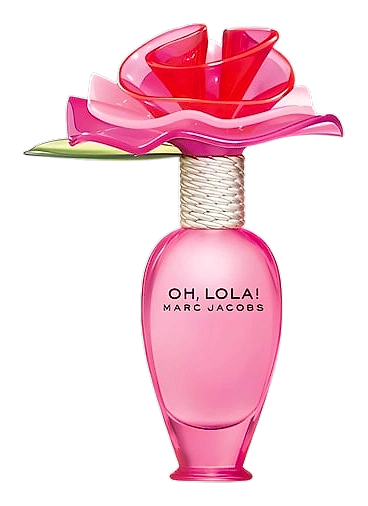
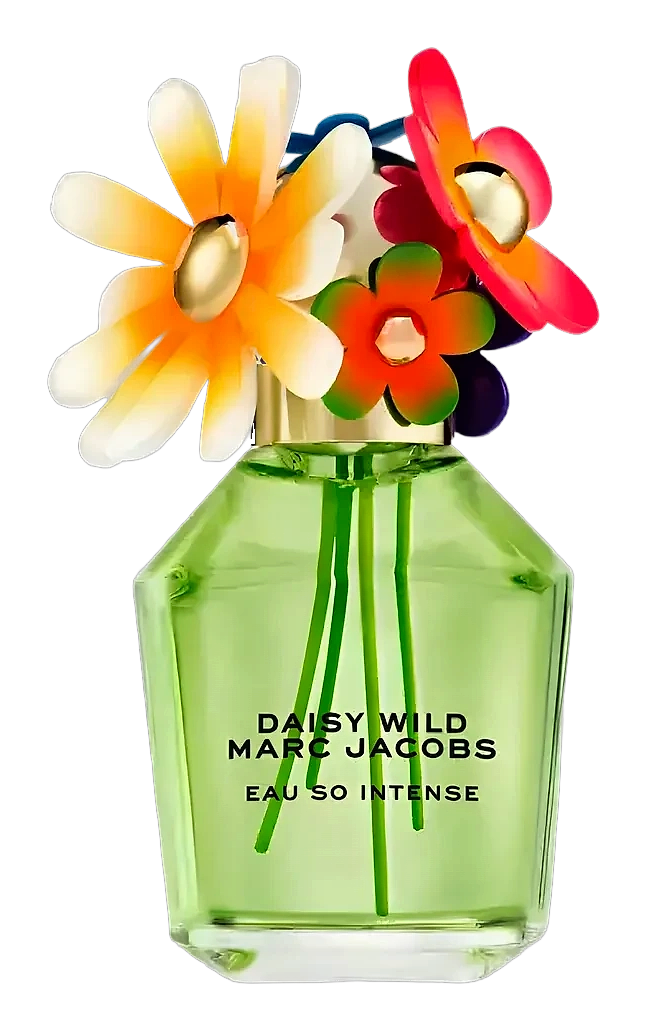
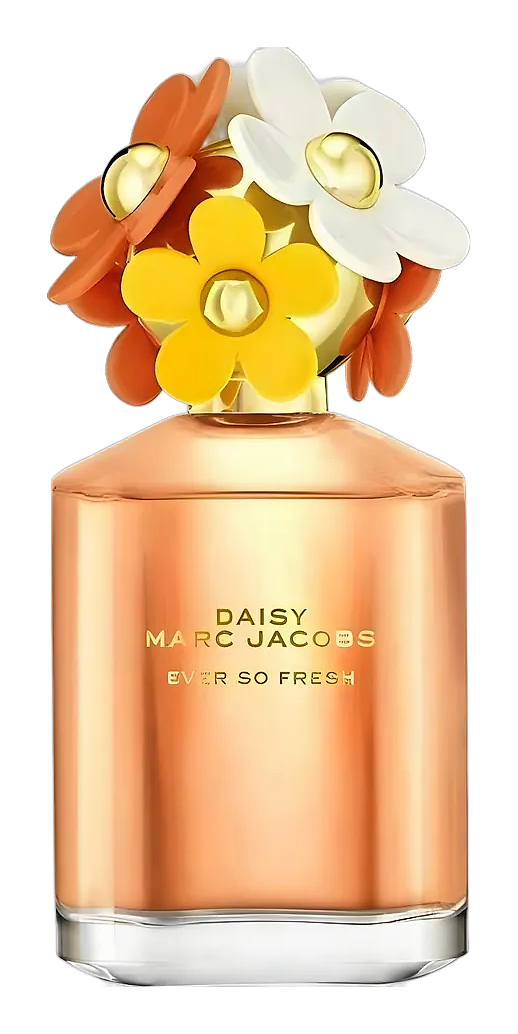
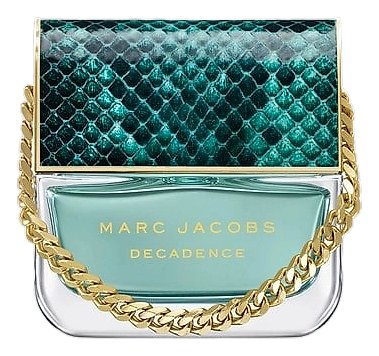
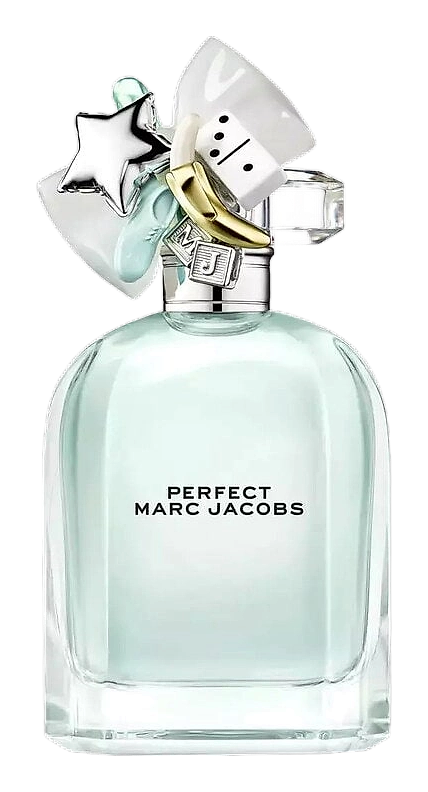
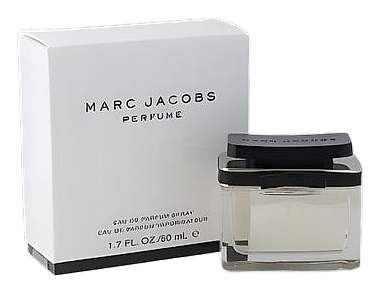
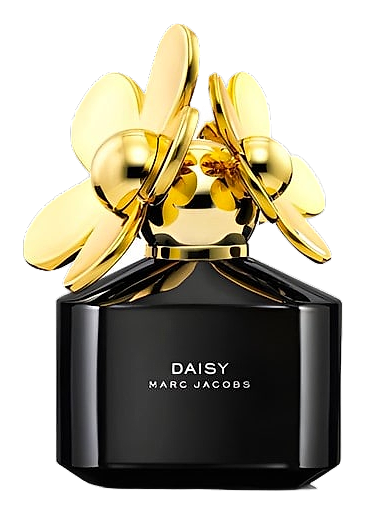
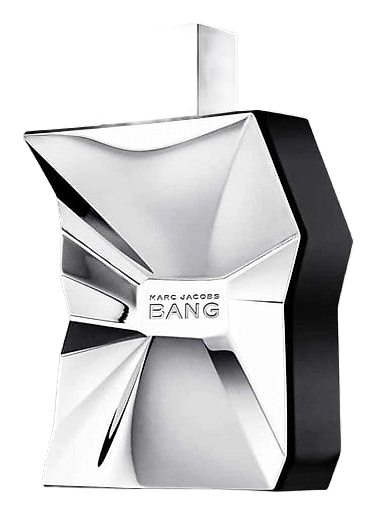
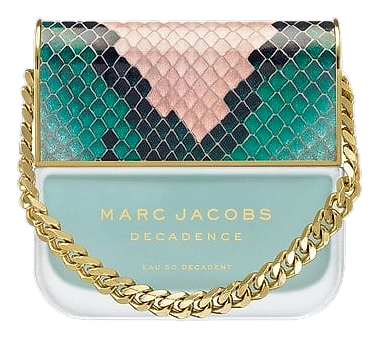
Marc JacobsMarc Jacobs fragrances, produced under license by Coty, launched in 2001 with Marc Jacobs for Women, followed by a companion men's scent in 2002. The brand has since built an extensive portfolio of fragrances anchored by signature lines including Daisy (2007), Lola (2009), Decadence (2015), and Perfect (2020). Daisy, named after Daisy Buchanan from F. Scott Fitzgerald's The Great Gatsby, quickly became a defining success for the brand, spawning numerous flankers and variations across multiple collections. The line's visual identity, with its oversized daisy cap atop a clean bottle, became one of the most recognizable silhouettes in contemporary perfumery. Decadence introduced a handbag-shaped bottle on a gold tasselled chain, a notably unconventional vessel for fragrance at the time of its launch. The brand has collaborated with a broad roster of perfumers over the years, including Annie Buzantian, Ann Gottlieb, Steve DeMercado, Loc Dong, Alberto Morillas, and Calice Becker, among many others. Marc Jacobs fragrances are available at major department stores worldwide and online.
The Creator
Amandine Clerc-MarieWhile it's difficult to pin down a single, defining characteristic across her entire body of work, a certain smoothness and refinement seem to be consistent themes. She appears to favor well-blended compositions, where individual notes harmonize to create a cohesive whole.