The Story
Why it exists.
The beginning
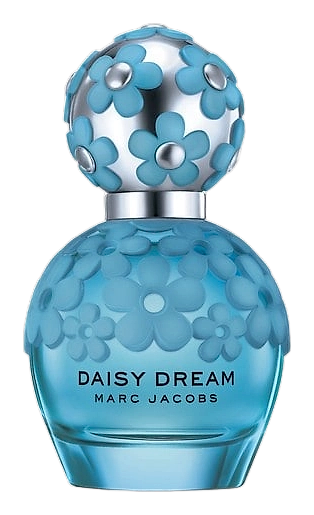
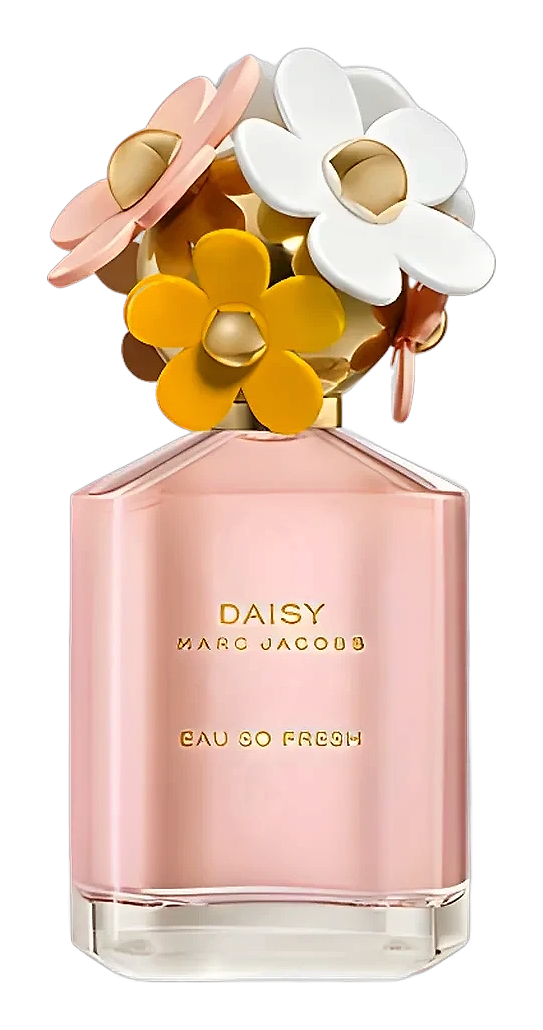
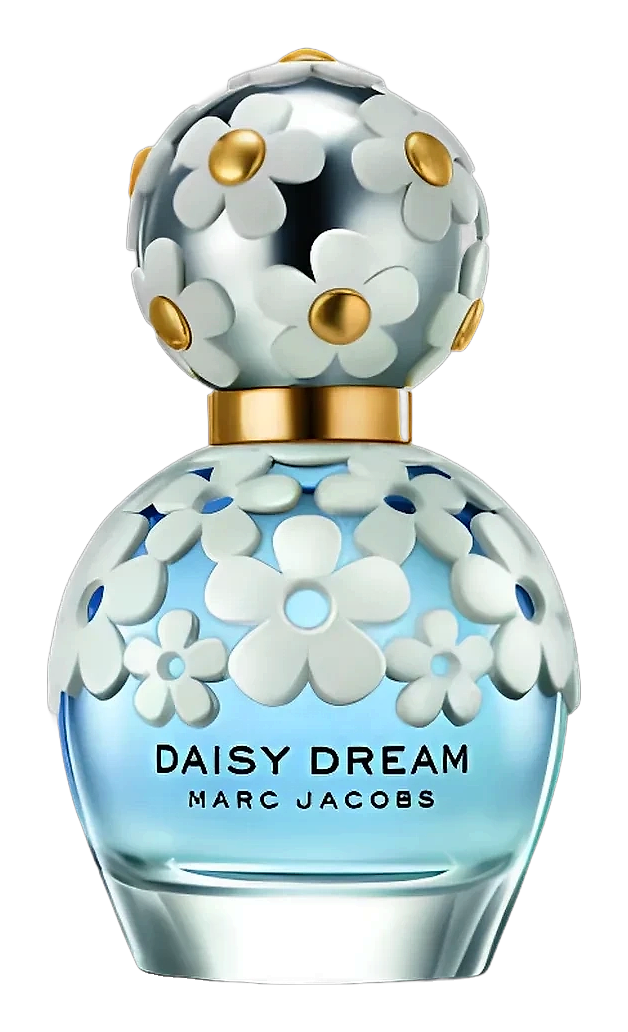
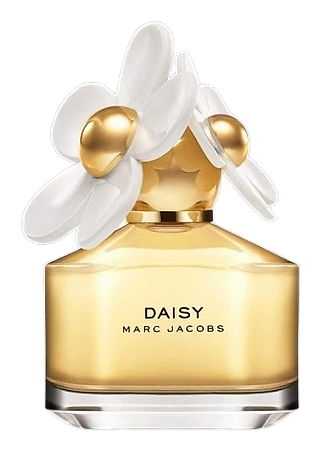
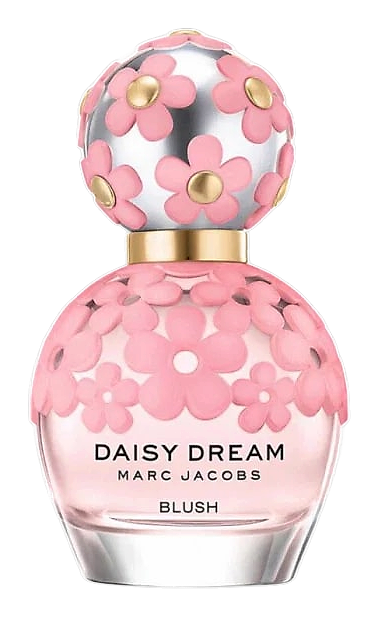
Daisy Dream Blush landed in 2016 as part of the broader Daisy franchise from Marc Jacobs. Annie Buzantian is credited as the perfumer. The composition was conceived as a softer, warmer take within the Daisy universe, an offering that trades some of the brightness of the original Daisy Dream for something gentler and more intimate. The result reads like a late-spring version of the line's familiar white-floral identity, with a slightly powdery undertone that brings the fragrance closer to skin. It is a limited release, which means it was built as a seasonal moment rather than a permanent addition to the lineup. That framing matters: this is Daisy for the hour when the days get longer and the light turns pink.
The composition is built on a narrow, deliberate palette: violet leaf and water lily up top, a heart of lily of the valley, rose, and freesia, and a base of musk with a thread of vetiver. That restraint is the point. The opening holds back and lets the green-watery facets do the talking. The water lily lends a chilled, slightly mineral quality to the first minutes of wear, a freshness that recalls cold water on stone.
The evolution
On skin, the opening arrives cool and dewy, the violet leaf and water lily reading like a glass of water in a warm room. Bergamot lifts the top just enough to keep things from going flat. Within fifteen minutes, the white florals take over. Lily of the valley carries most of the heart, with rose threading underneath and freesia adding a faint green-pepper edge. The composition never goes dense; it stays translucent. As the hours pass, the musk starts to pull the florals inward, and the scent begins to settle into a warm, skin-close drydown. Vetiver grounds the base with a quiet earthiness that keeps it from smelling like a body lotion. What lingers is mostly the musk: soft, slightly sweet, indistinct enough that it invites curiosity rather than announcing itself across a room. On fabric, what remains after a full day of wear is a faint rose-and-musk trace. Nothing loud.
Cultural impact
Daisy Dream Blush arrived in 2016 as one of the softer entries in the Marc Jacobs Daisy franchise. Its limited-release status gave it a seasonal, collectible register, which suited a fragrance built around a specific mood rather than year-round wear. It belongs to a wave of sheer, skin-focused florals that gained traction in the mid-2010s, sitting in the same general territory as other light, translucent compositions that prioritized freshness and softness over the heavier, sweeter directions the broader market was exploring at the time.
The House
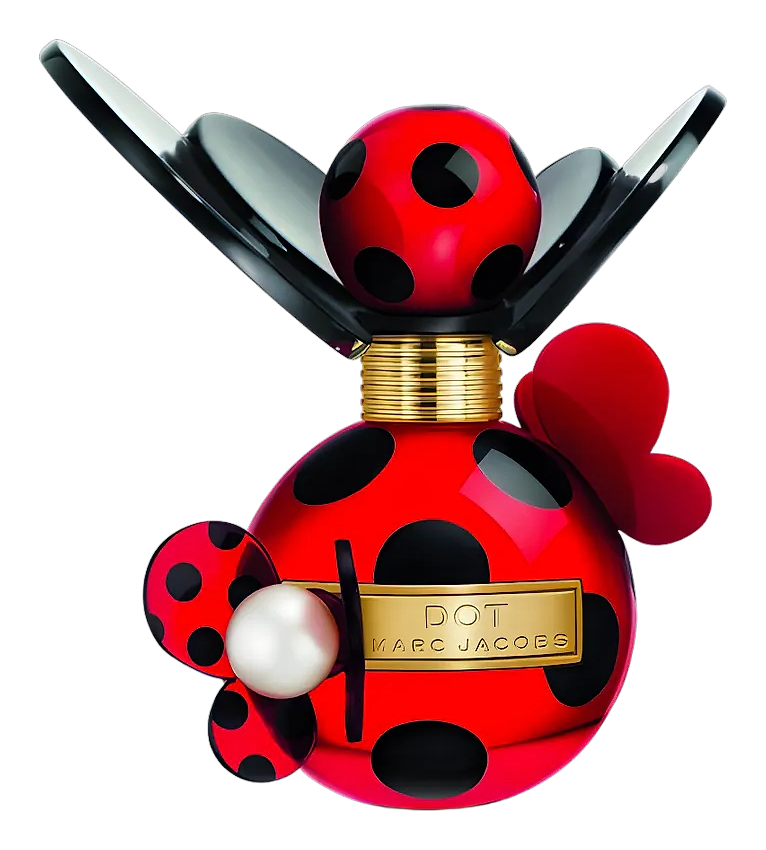
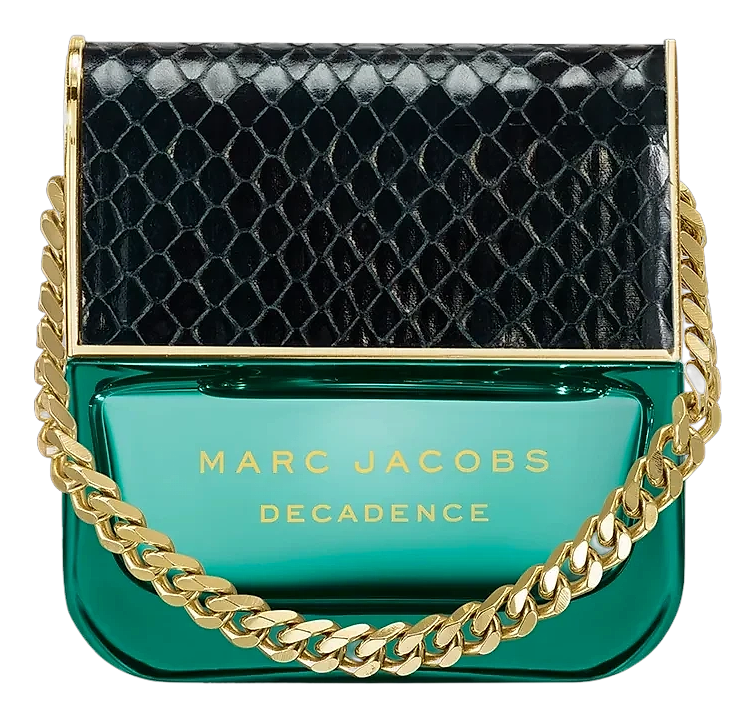
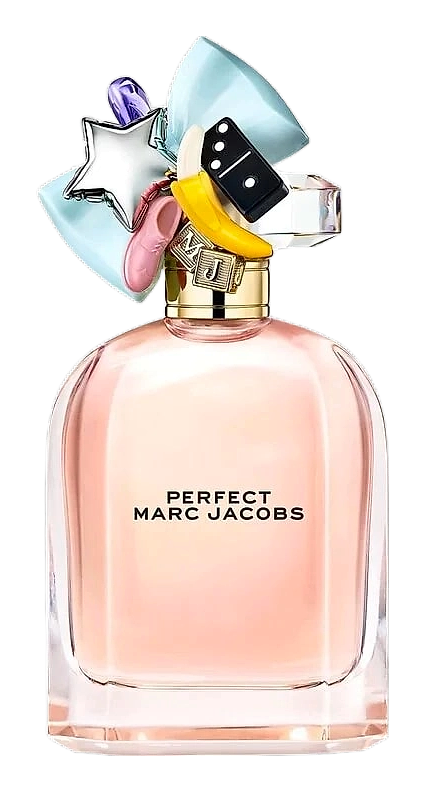
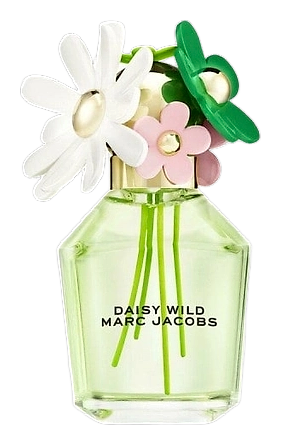
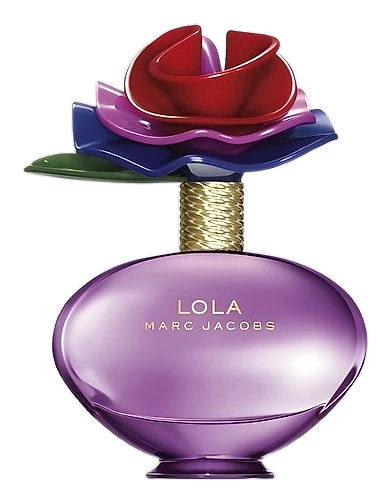
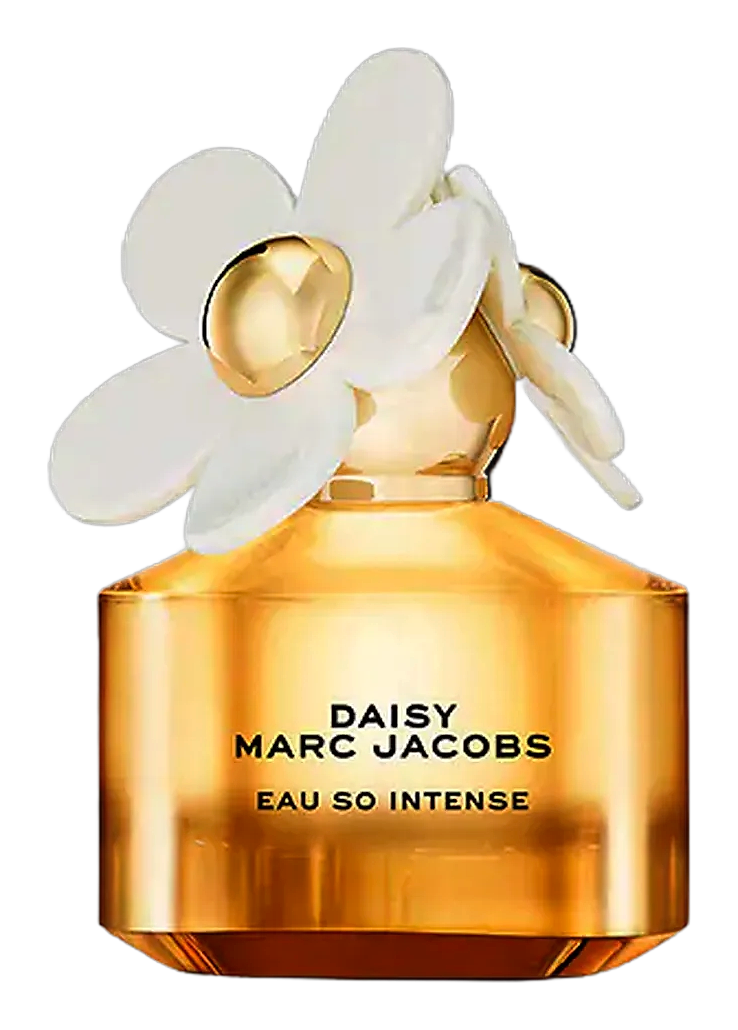
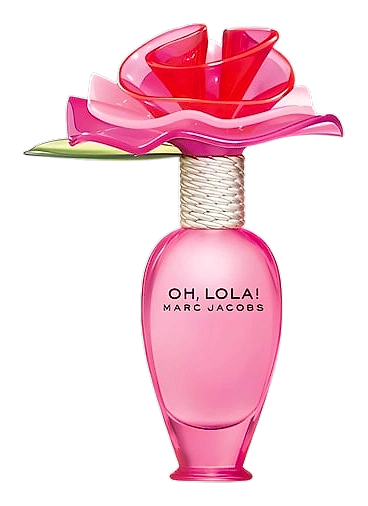
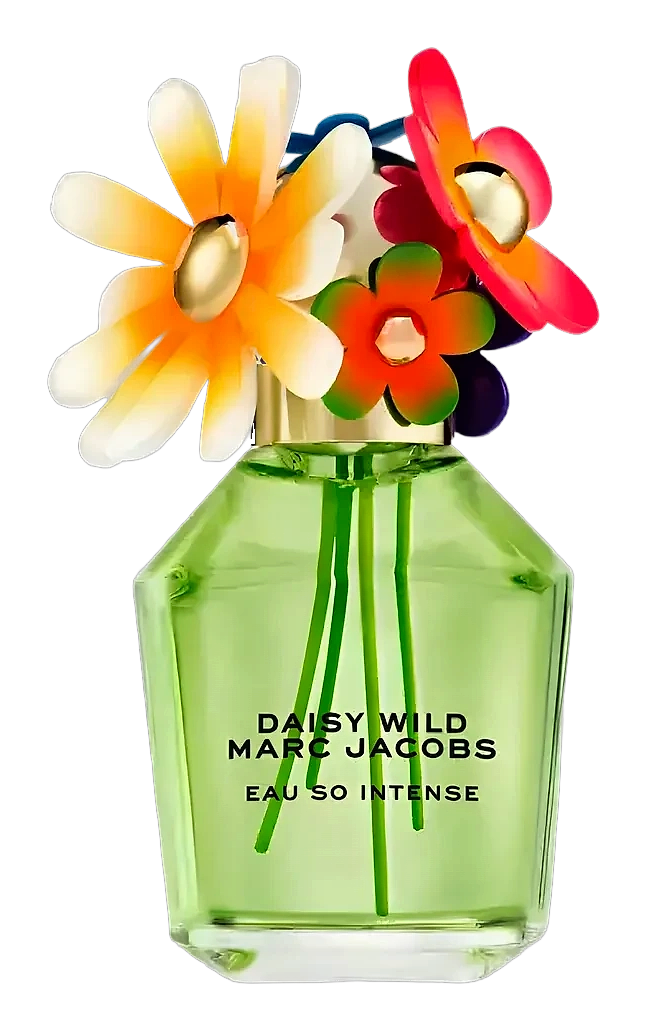
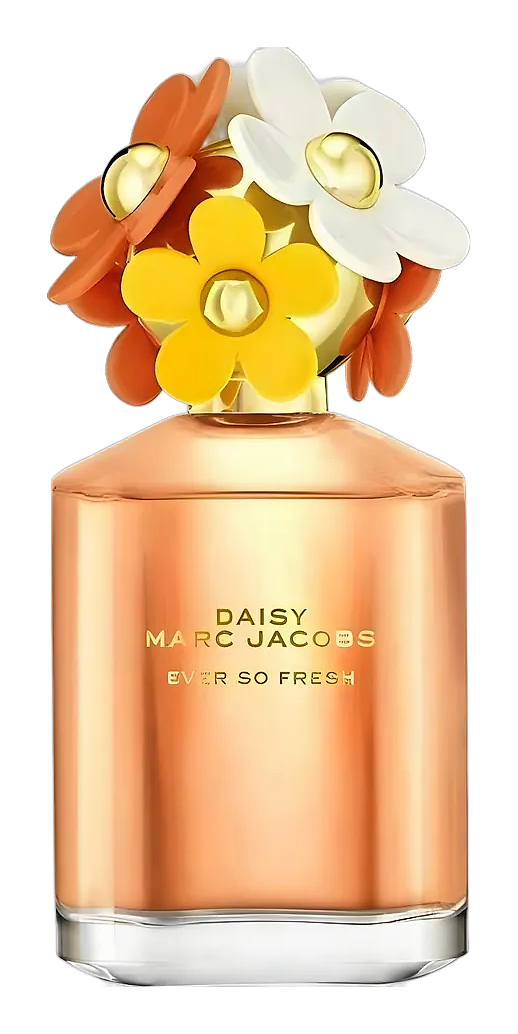
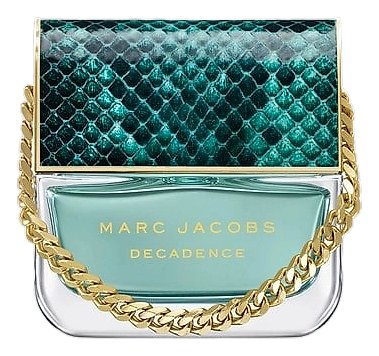
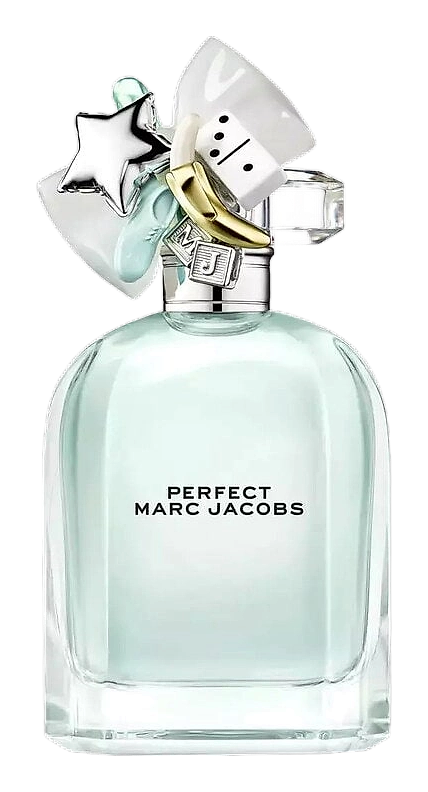
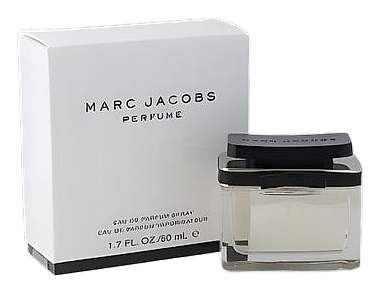
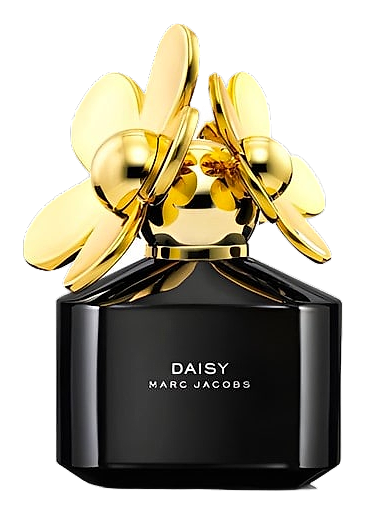
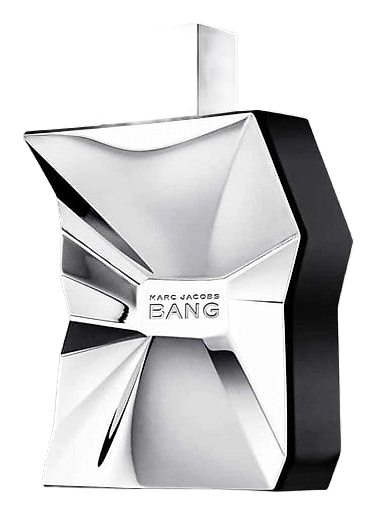
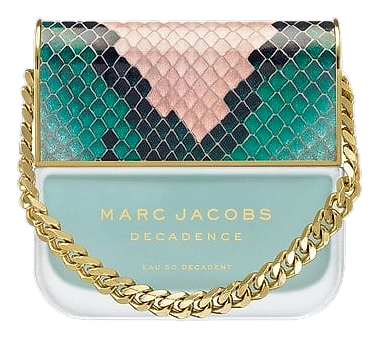
Marc JacobsMarc Jacobs fragrances, produced under license by Coty, launched in 2001 with Marc Jacobs for Women, followed by a companion men's scent in 2002. The brand has since built an extensive portfolio of fragrances anchored by signature lines including Daisy (2007), Lola (2009), Decadence (2015), and Perfect (2020). Daisy, named after Daisy Buchanan from F. Scott Fitzgerald's The Great Gatsby, quickly became a defining success for the brand, spawning numerous flankers and variations across multiple collections. The line's visual identity, with its oversized daisy cap atop a clean bottle, became one of the most recognizable silhouettes in contemporary perfumery. Decadence introduced a handbag-shaped bottle on a gold tasselled chain, a notably unconventional vessel for fragrance at the time of its launch. The brand has collaborated with a broad roster of perfumers over the years, including Annie Buzantian, Ann Gottlieb, Steve DeMercado, Loc Dong, Alberto Morillas, and Calice Becker, among many others. Marc Jacobs fragrances are available at major department stores worldwide and online.
The Creator
Annie BuzantianAnnie favors a structural approach, building around a strong heart that anchors the perfume. She often chooses violet, heliotrope, and lilac to add a soft floral edge, then balances them with musk and warm woods for longevity.