
The Story
Why it exists.
The beginning
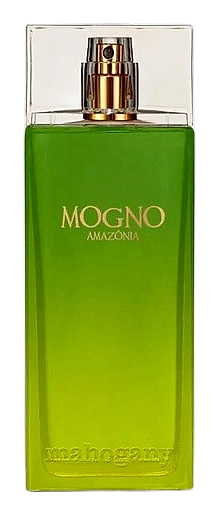
Mogno Amazônia arrived in 2010 from Mahogany, naming itself after the Amazon and leaning into the mood that implies. The perfumer credited is Roland Theil, who composed a fougere that stays true to the genre's aromatic-spicy spine while pushing the base toward something deeper and greener. The name says it plainly. This is mahogany as the rainforest hears it, not as the furniture showroom does. The accord of cedar, vetiver, and patchouli forms a woody architecture that reads as deliberate and composed, each material given room to register without crowding the others. The opening citrus, lemon and lime along with grapefruit, catches light against the green backbone, and the cardamom threading through gives that brightness a faintly peppered edge.
What separates this from many fougeres is the base architecture. Labdanum and tonka bean carry sweetness without going gourmand. Patchouli and oakmoss ground everything in actual soil, while musk adds the warmth that makes amber feel lived-in rather than decorative. The cardamom and fennel in the opening aren't window dressing. They pull the citrus toward savory, keeping the whole composition from tipping into territory that flattens so many aromatic-spicy releases. The vetiver through the middle reads as cool and slightly bitter, a counterweight to the warmer base notes waiting below.
The evolution
The first fifteen minutes are a bright, almost Mediterranean gesture: lemon, lime, grapefruit, and fennel cracking through cardamom. It smells clean but with a green herbal undertow that hints at what's underneath. The heart is where the fougere DNA asserts itself. Apple and geranium bring a cool, soapy quality; cedar and vetiver stack the woody scaffolding; black pepper snaps against the grain. The whole middle phase reads like a clean shirt after a long walk. Then the base takes over, and this is where Mogno Amazônia earns its name. Labdanum and amber go warm and golden. Tonka bean adds a powdery sweetness. Patchouli and oakmoss root everything in damp forest floor. The musk at the bottom keeps it from going heavy, a skin-level hum that lasts through evening. On a shirt collar the next morning, it reads as a quiet, mossy warmth with faint spice.
Cultural impact
Mogno Amazônia sits in a space most fougeres avoid: genuinely earthy without being heavy, aromatic without being sharp. It's the kind of composition that rewards people who already know what vetiver and oakmoss smell like and want them arranged with modern restraint. Wears well on anyone who treats fragrance as a layer of their day rather than an announcement. The blend's commitment to balance makes it a useful reference point for anyone exploring the fougere category beyond the barbershop tropes.