The Story
Why it exists.
The beginning
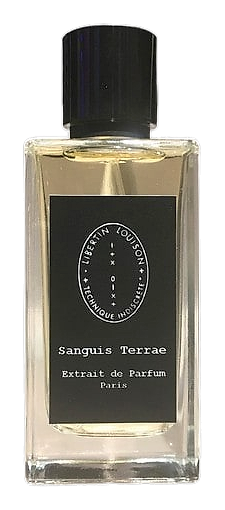
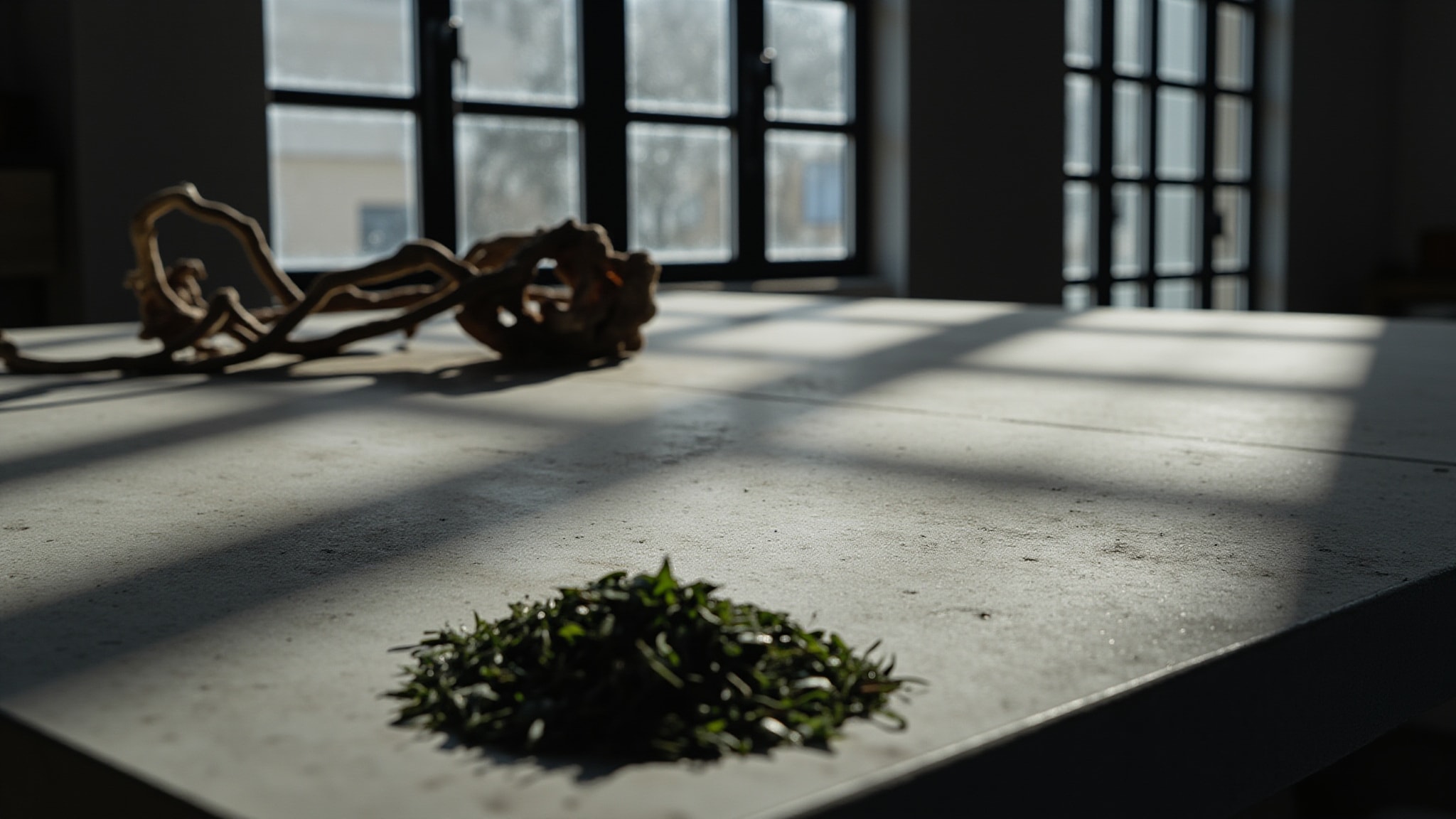
Sanguis Terrae takes shape through a fragrance built around the meeting point of vegetation and earth. Green tea and living plants lead the composition, opening with the snap of crushed stems and the cool green scent of air moving through damp undergrowth. Cedar, frankincense, and myrrh deepen the arc with dry bark, resinous incense, and mineral shadow. Below, amber, honey, patchouli, styrax, underwood, and vetiver create a warm, earthy base. The honey reads as a darkening thread rather than overt sweetness, while patchouli and vetiver lend the drydown a rootlike depth. There is no documented origin story beyond these materials and accords, so the perfume speaks through its construction.
The interesting part is how many textures occupy the same small frame. Green tea and plants bring a cool, bitter edge. Cedar, frankincense, and myrrh pull the composition downward into resin and dry wood. Amber and honey then add sweetness without making it syrupy, while patchouli, styrax, underwood, and vetiver provide an earthy foundation. It is herbal and medicinal, yet never clinical. The result sits in the space between fresh-smelling and ancient, with enough contrast to keep the wearer curious.
The evolution
At first, Sanguis Terrae reads green and almost brisk. Green tea and plants give the opening the snap of crushed stems, like air moving through damp undergrowth. Then the composition turns inward. Cedar, frankincense, and myrrh introduce dry bark, incense, and mineral shadow, replacing that plant brightness with something deeper and more solemn. Honey appears only as a darkening thread, never a dessert-like sweetness. In the final stretch, amber, patchouli, styrax, underwood, and vetiver settle close to the skin. The drydown can resemble a root brew or old herbal medicine, which sounds severe until sweetness rounds the edges. As the fragrance wears, its leafy opening gives way to resin, incense, and a dry earthy base, leaving a low trace of wood, roots, and warm resin rather than a loud plume.
Cultural impact
Sanguis Terrae can be discovered through the textures that define its composition. Green tea and living plants establish a leafy opening, while cedar, frankincense, and myrrh introduce the dry character of bark, incense, and mineral shadow. Amber, honey, patchouli, styrax, underwood, and vetiver deepen the drydown with warmth, resin, roots, and a restrained thread of sweetness. Its appeal lies in the way these materials meet, offering a textural fragrance for close attention and repeated exploration.
The House
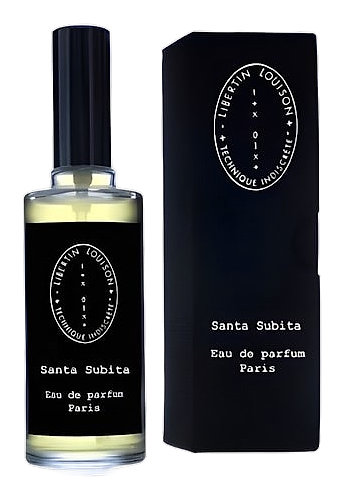
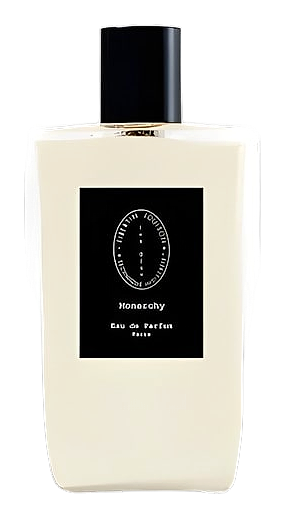
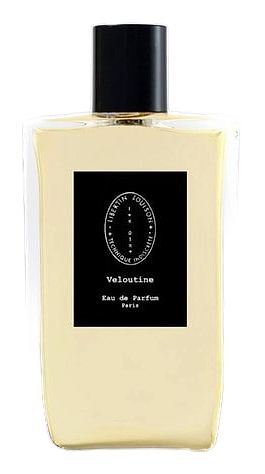
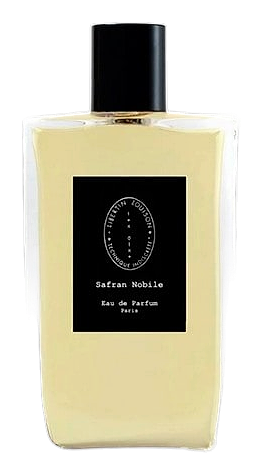
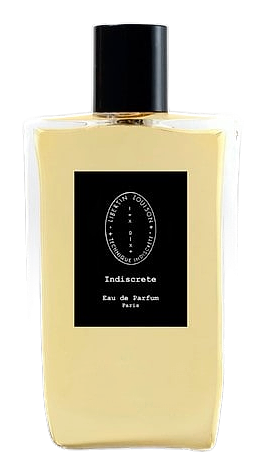
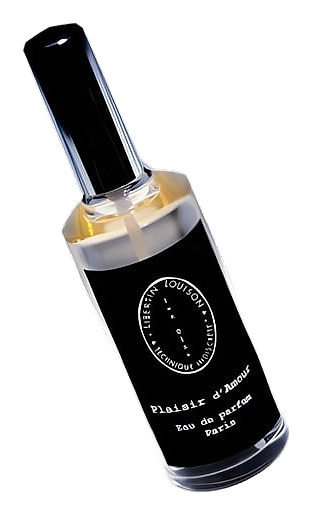
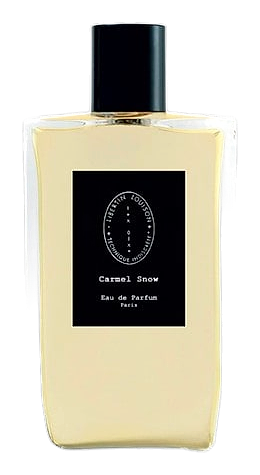
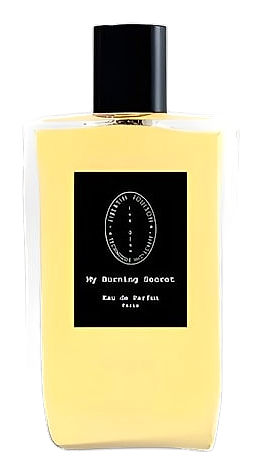
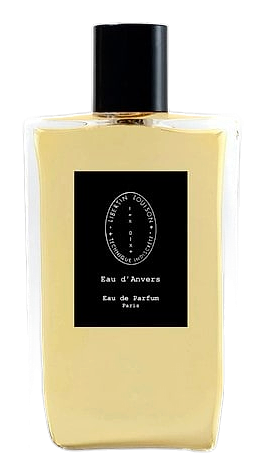
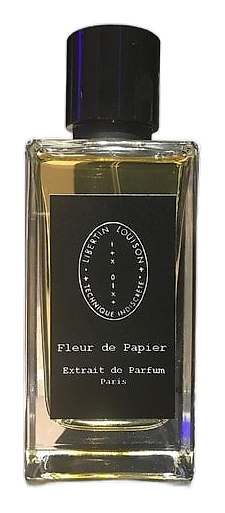
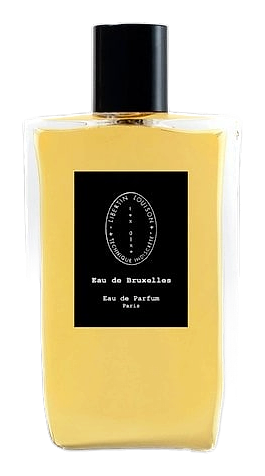
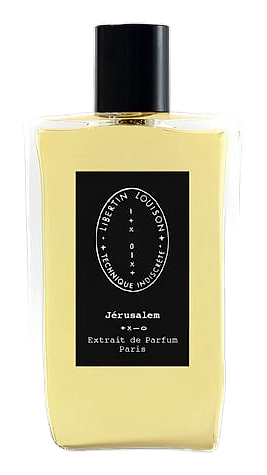
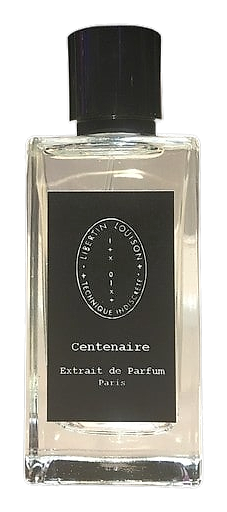
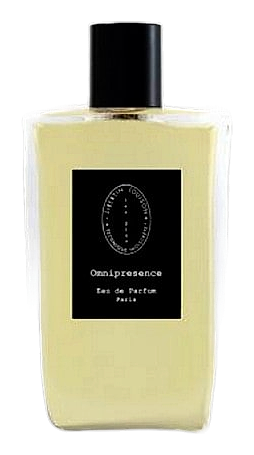
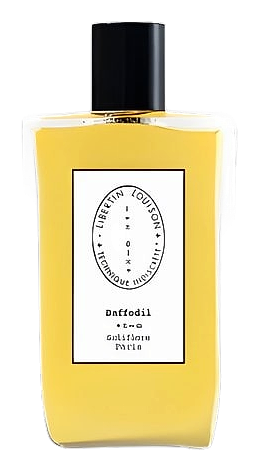
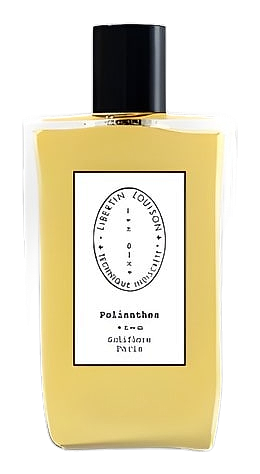
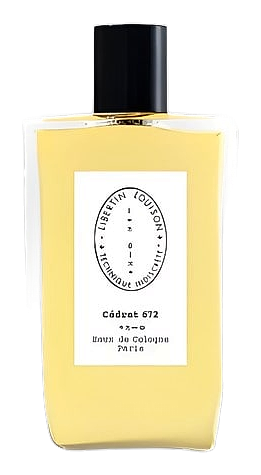
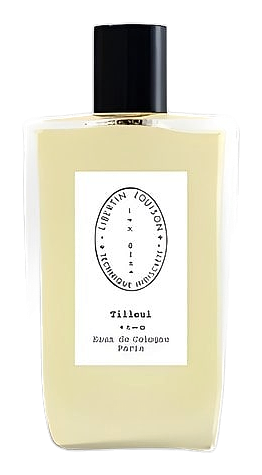
Libertin Louison Technique IndiscreteTechnique Indiscrete is a Parisian niche fragrance house founded by Belgian perfumer Libertin Louison. Based in Paris where he maintains an independent laboratory, Louison trained in fashion before redirecting his creative instincts toward perfumery. The brand emerged in 2008 as an extension of his earlier boutique and atelier work. Technique Indiscrete crafts original fragrances that favor a distinctive sheer quality, neither lightweight nor overwhelming, with the Eaux de Cologne format (offered in 250ml and 500ml sizes) serving as a signature vehicle for the house aesthetic. The collection spans nearly two decades of output, including Safran Nobile, Polianthes, and Fleur de Papier.
The Creator
Louison GrajcarThe Technique Indiscrète collection currently spans seven Eaux de Parfum accompanied by six floral waters, offering clients multiple entry points into Grajcar's olfactory world. His debut fragrance, Indiscrète, established his signature: fresh and fruity opening notes give way…