Underwood
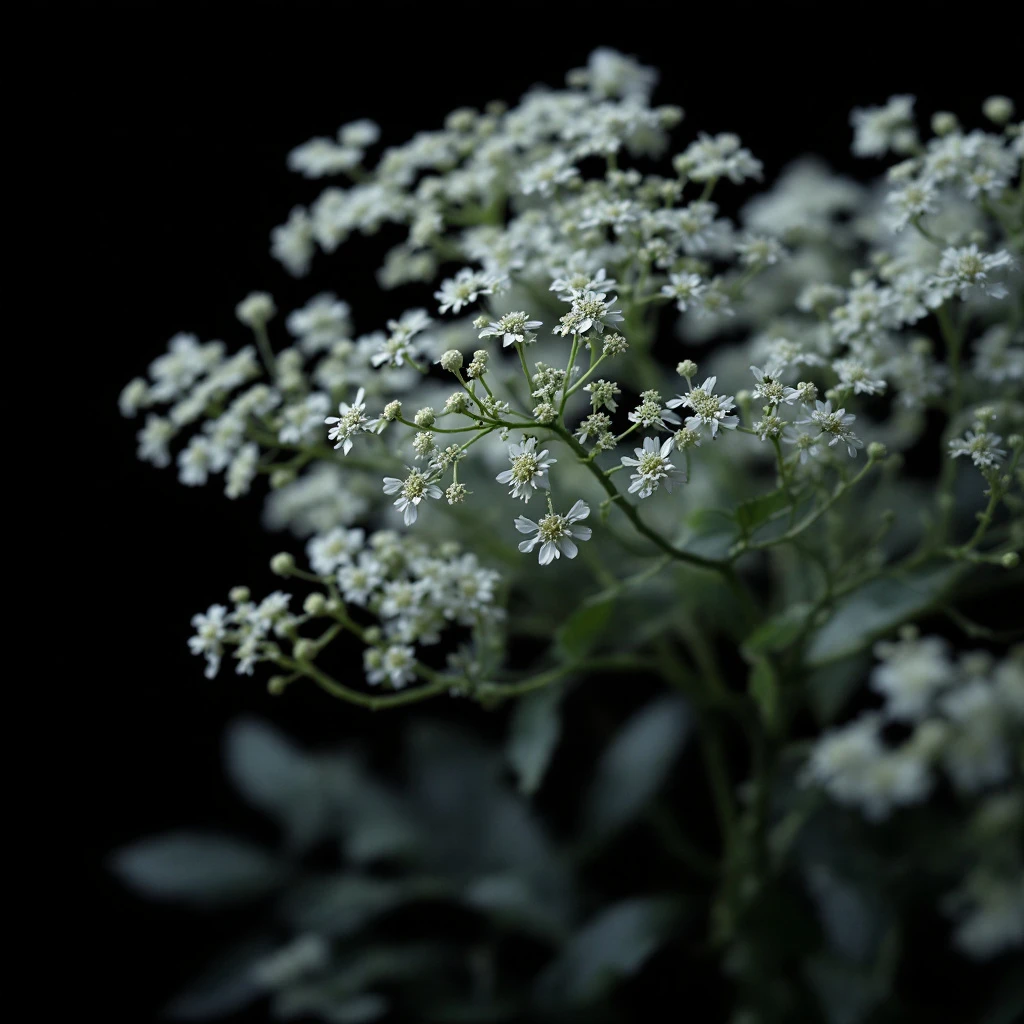
A mysterious forest-floor accord capturing the scent of wild growth beneath towering trees—moss, fern, damp bark, and petrichor woven into an olfactory portrait of shade and soil.
Character
How it smells
The quiet scent beneath the canopy.
Underwood captures scent molecules released by forest plants competing for filtered light in shaded understories—a olfactory survival mechanism now captured in a bottle.






Origin
United States
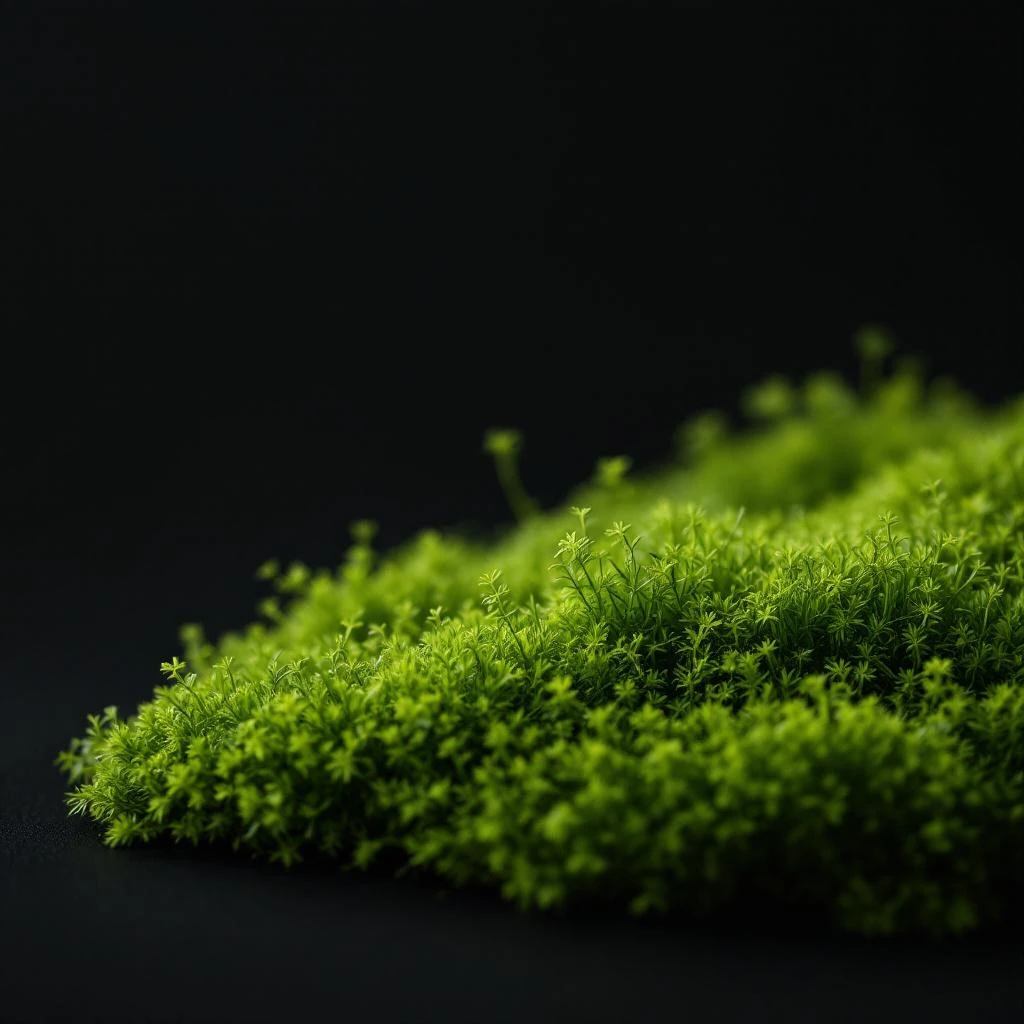
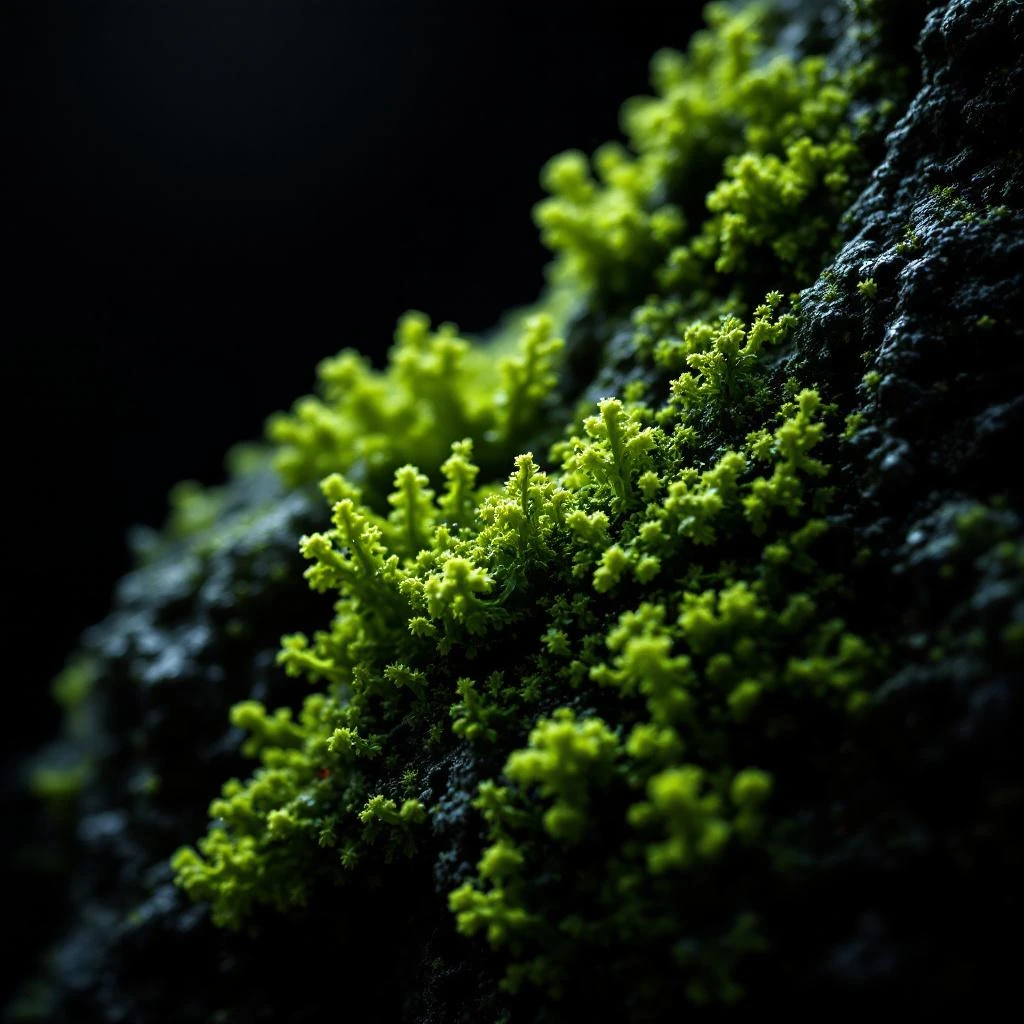
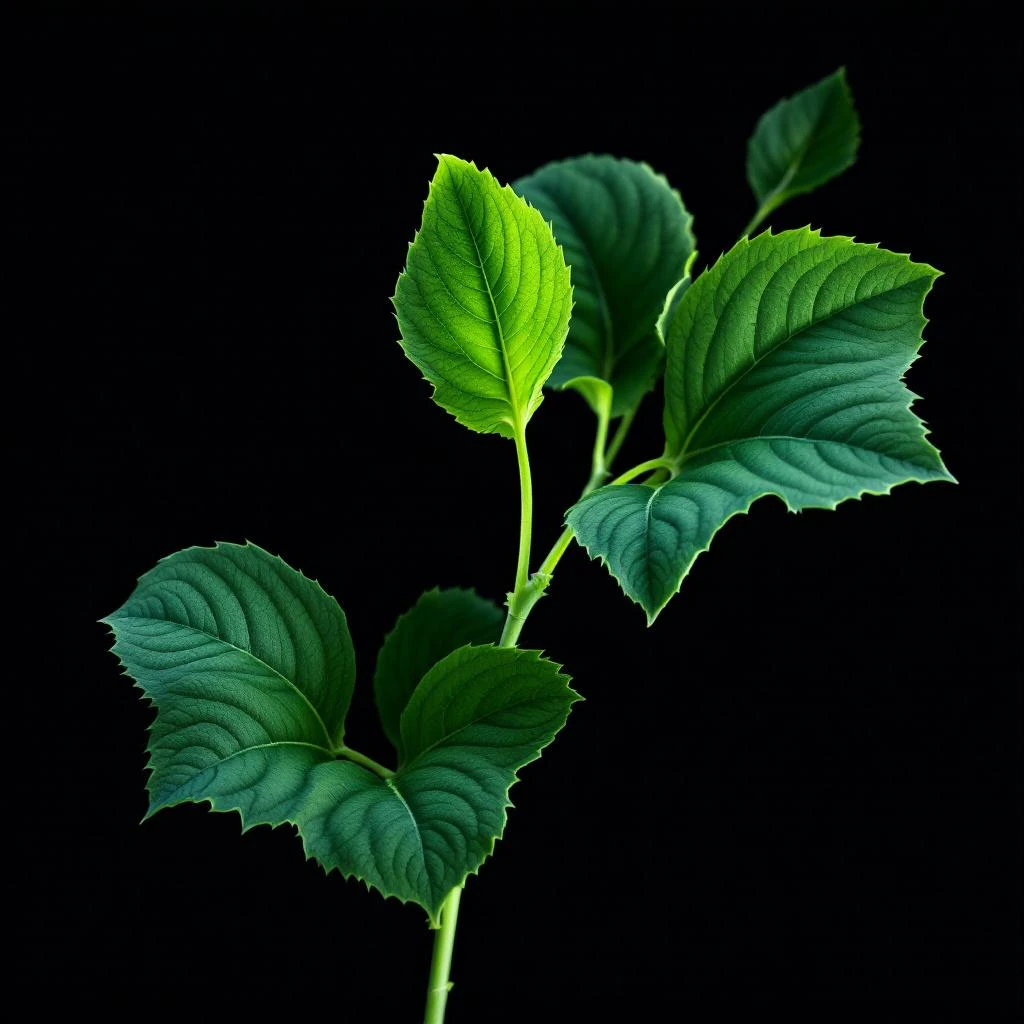
Long before perfumers began bottling forest scents, humans associated underwood with mystery, concealment, and the wild spaces between cultivated land and untamed wilderness. Ancient Egyptians and Mesopotamians valued forest floor materials for their preservative and ritual properties, using mosses and bark extracts in temple incense. During the European Renaissance, herbalists documented the scent of woodland undergrowth as distinct from the timber above—a separate aromatic world rarely acknowledged in written records but deeply familiar to anyone who walked wild forests.
Modern perfumery only began systematically studying underwood as a source material in the late twentieth century, as fragrance houses expanded their naturalist palettes and customers sought increasingly complex natural representations. Today, underwood accords appear in countless fragrances marketed as chypre, fougère, or simply forest-inspired, though few consumers realize they are smelling a carefully reconstructed portrait of the forest's least celebrated layer.
Wears it best
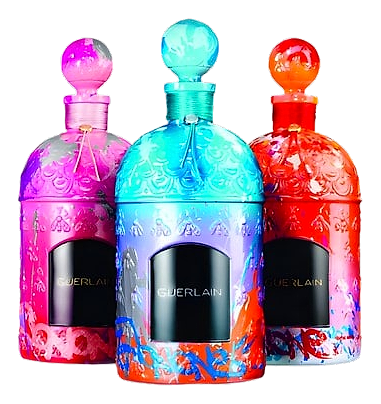
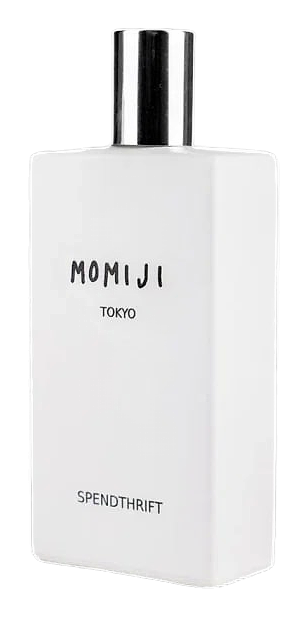
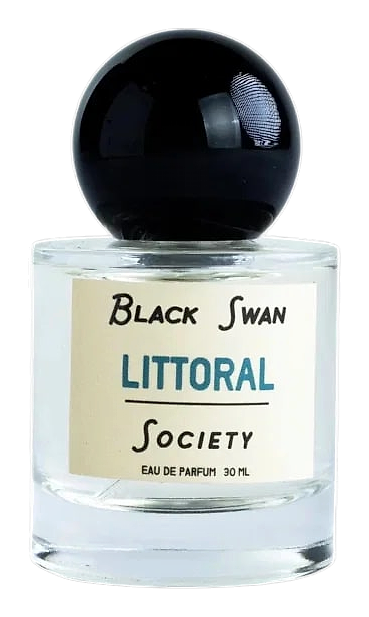
Fragrances featuring Underwood
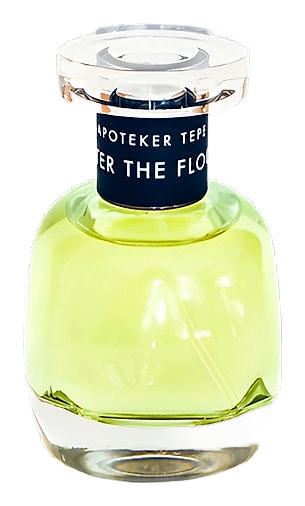
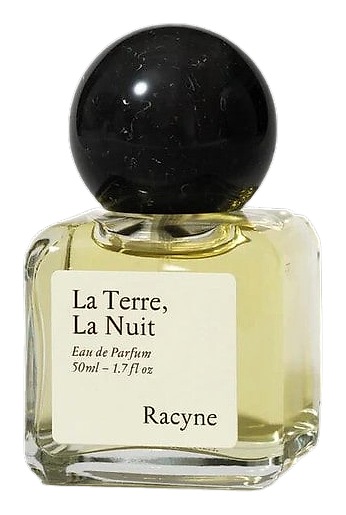
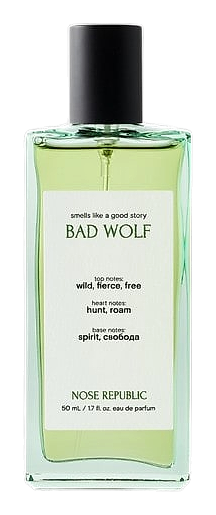
Brands
Brands known for Underwood
Good to know
Questions, answered
The essentials on Underwood in perfumery: how it smells, where it comes from, and how it behaves on skin.
What exactly is Underwood in perfumery?
Underwood refers to aromatic materials derived from forest floor plants—mosses, ferns, and small shrubs that grow beneath the canopy. Perfumers either source individual extracts or blend their own underwood accord to capture this shadowy, earthy scent profile.
Does Underwood smell like walking in a forest?
Yes, though more specifically it smells like the forest floor rather than the canopy. Expect damp earth, green vegetation, moss, and mineral notes—the scent of shade and decay rather than sunshine and blooms.
Is Underwood a natural or synthetic ingredient?
It can be either. Natural underwood consists of extracts from actual forest floor plants. Synthetic versions reproduce key aromatic molecules like geosin or cetrox. Most premium fragrances use a combination of both approaches.
Which fragrance families commonly feature Underwood?
Chypre, fougère, and aromatic green fragrances most frequently incorporate underwood accords. These families traditionally emphasize moss, oakmoss, and forest floor notes that define the underwood character.
When did perfumers start using Underwood accords?
Systematic use of underwood materials began in the late twentieth century as fragrance houses expanded beyond traditional heart and top notes. Earlier perfumers used individual moss or fern extracts but rarely combined them into a unified forest-floor accord.
Can I grow plants for Underwood extraction at home?
Mosses and ferns can be cultivated, but extracting their aromatic compounds requires professional equipment and expertise. Commercial extraction uses controlled solvent methods that are difficult to replicate safely outside an industrial setting.
Is Underwood suitable for sensitive skin?
Some underwood components, particularly moss extracts, contain compounds that may cause skin reactions in sensitive individuals. If you have skin sensitivities, patch test fragrances containing underwood notes before full application.
How does Underwood interact with other fragrance notes?
Underwood acts as a bridge between top and base notes, adding depth and a naturalistic quality that grounds lighter florals or citrus. It pairs especially well with woodsy and green notes, creating complex, multi-layered compositions.